

Top 5 Equine Forage Alternatives and Hay Cubes in Canada for 2026 — A Buyer's Guide to Fibre, Soaking, Storage, and Feeding Choices
Compressed hay cubes, chopped forages, and other preserved forage options deliver consistent, measured fiber when pasture or loose hay are limited. In the Canadian market these products appeal to horse owners managing seasonal forage gaps, small stables with limited storage, or animals with special needs such as older horses or picky eaters. Buyers prioritize predictable nutrient analysis, lower dust and waste, ease of storage and transport across provinces, and options that can be soaked for hydration or dental concerns. Cost, local availability, and brand trust also shape preferences: owners often trade off raw cost for consistency, veterinary endorsement, or regionally produced ingredients to reduce shipping and support local supply chains.
Inception's AI took the time to understand this market in Canada · · How we pickWe may earn a commission on purchases. It never affects our rankings.
Top Picks Summary
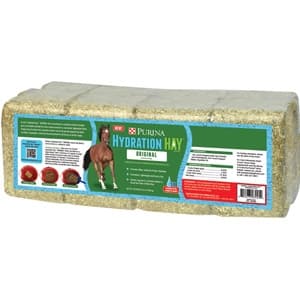
Purina Hydration Hay Horse Cubes
Purina Hydration Hay Horse Cubes are positioned as the technical leader for horses that need quick rehydration and low-dust forage alternatives, offering fast-soak cubes that restore moisture and palatability with consistent nutrient delivery. Compared with the other forage products here, Purina emphasizes hydration and senior-horse acceptability over pure cost-per-pound, making it the go-to when water uptake and feed consistency are top priorities in an equine forage program.
Estimated$60 – $75
Standlee Premium Western Forage Timothy Grass Pellets
Standlee Premium Western Forage Timothy Grass Pellets hold a best-in-class reputation for delivering high-quality timothy fiber in a simple, minimally processed pellet that is cost-effective for day-to-day maintenance rations. Against the other cube and pellet options, Standlee trades some of the specialized functionality (like hydration or nutrient-dense balancing) for an economical, natural-tasting fiber source that suits easy keepers and barns prioritizing whole-forage character and stable pricing.

Estimated$30 – $60
Ontario Dehy Timothy Balance Cubes
Ontario Dehy Timothy Balance Cubes are marketed as a premium, nutrient-balanced timothy cube with consistent density and predictable nutrient profiles, making them excellent for precise rationing and performance or metabolic management. Compared with the other forage alternatives in this list, Ontario Dehy emphasizes laboratory-tested consistency and higher per-unit nutrient control, which can justify a higher upfront cost for operations that require tight dietary management.

Estimated$65 – $80
Shur-Gain Evolution Fibre Nuggets
Shur-Gain Evolution Fibre Nuggets are positioned as a versatile, high-fiber low-calorie nugget that balances digestible fiber with affordability, ideal for horses needing forage replacement without excess energy. Versus the hydration-focused Purina or the lab-balanced Ontario Dehy cubes, Shur-Gain offers a middle ground—technically reliable fiber delivery at a competitive price point for routine management and metabolic-friendly rations.

Estimated$30 – $65
Blue Seal Hay Stretcher Pellets
Blue Seal Hay Stretcher Pellets are designed primarily to improve barn-level economics by extending baled forage and reducing wastage through an inexpensive, easy-to-blend pellet. In comparison to the other products here, Blue Seal focuses on financial efficiency and bulk feeding practicality rather than specialty nutrition or rapid rehydration, making it the market leader for operations where lowering cost-per-meal without major dietary restructuring is the priority.

We may earn a commission on purchases. It never affects our rankings.
$25.95CAD
What the Research Says About Forage Alternatives and Hay Cubes
Equine nutrition research and university extension guidance both support processed forages — cubes, pellets and chopped hay — as a workable substitute when loose hay or pasture is short or unsuitable. What decides whether they work in your barn is less the product than how it is fed. Forage is replaced by weight, not by volume: a cube ration is matched pound-for-pound against the hay it displaces, and since a flake can weigh anywhere from roughly 2 to 8 lb depending on bale size and cut, guessing by flakes is how horses end up under- or over-fed. Cubes and pellets are also eaten far faster than long-stem hay, which is why choke is the problem owners report most often with them. For horses with EMS, insulin dysregulation or PPID, the figure that matters is non-structural carbohydrate (NSC), and it has to come from the manufacturer's analysis or a lab test rather than from the words "low sugar" on the front of the bag. Every horse feed sold in Canada is labelled under the Feeds Act and Regulations administered by the CFIA, so the guaranteed analysis and ingredient statement on the tag are the honest comparison point between brands — "timothy cubes" and "timothy-alfalfa cubes" are very different feeds.
Forage alternatives replace hay by weight, not by volume — weigh the ration, because a flake of hay can run anywhere from about 2 to 8 lb depending on the bale and the cut.
Choke is the main practical risk with cubes and pellets: soak them (roughly two parts water to one part cubes, 10-30 minutes, longer in cold weather), feed from a wide shallow tub, and slow greedy eaters rather than feeding dry — and discard soaked feed that has been sitting in summer heat.
For EMS, insulin-dysregulated or PPID horses, look for a stated NSC at or below roughly 10-12% of dry matter on the manufacturer's analysis; a front-of-bag "low sugar" claim is marketing, not a number.
Because Canadian horse feeds are labelled under the CFIA's Feeds Act and Regulations, the guaranteed analysis and ingredient list on the bag are the reliable way to compare a fortified cube against a plain single-forage pellet.
Pelleted and cubed forages release fewer respirable dust particles than dry, dusty bales, which helps horses with equine asthma; soaking lowers that exposure further and adds water to the diet at the same time.
Compressed forages cut storage footprint and waste, which matters for small operations, winter forage gaps and long hauls — but a plain grass pellet carries no added vitamins or minerals, so a ration balancer is still needed if it replaces most of the hay.
Frequently Asked Questions
Which forage cube is best for horses needing extra hydration?
Purina Hydration Hay. Each roughly 2 lb compressed block is soaked in at least 5 quarts of water and expands in about ten minutes into approximately one flake of moist grass-and-alfalfa hay, which is the fastest route on this list to getting water into a horse that will not drink — useful in winter, after travel, or for a senior on a soft-forage program. It carries a 4.4 average rating here.
What is the fiber profile of Standlee Western Timothy Grass Pellets?
They are 100% certified timothy grass in 1/4-inch pellets, sold in a 40 lb bag — a high-fibre, low-sugar maintenance forage rather than a fortified feed. Because there are no added vitamins or minerals, a ration balancer is still needed if the pellets replace most of the hay. Check the guaranteed analysis printed on the bag for the current crude protein and crude fibre figures, as they vary by lot.
How much do Ontario Dehy Timothy Balance Cubes cost per bag?
The listing tracked here is $72.48 CAD for a 50 lb (22.7 kg) bag, or roughly $1.45 per pound — dearer than a plain timothy pellet. Feed-dealer pricing in Ontario is usually lower than online listings, and forage prices move with the hay crop, so treat this as a snapshot rather than a fixed price.
Are Ontario Dehy Timothy Balance Cubes suitable for senior horses?
Yes, but soak them first. The cubes are dense and hard — owners say so consistently — and a horse with worn or missing molars can choke on them fed dry. Cover the cubes with about twice their volume of water for 10-30 minutes until they break into a soft mash. The low-NSC formula, typically 10% or less and built on timothy with molasses-free beet pulp, also suits the many older horses that carry PPID or insulin problems.
Conclusion
In Canada, compressed hay cubes and chopped-forage products offer practical, year-round options for consistent fiber when pasture or loose hay is limited. The five main products covered here — Purina Hydration Hay Horse Cubes, Standlee Premium Western Forage Timothy Grass Pellets, Ontario Dehy Timothy Balance Cubes, Shur-Gain Evolution Fibre Nuggets, and Blue Seal Hay Stretcher Pellets — each address different priorities: hydration and senior feeding, high-quality timothy fiber, balanced timothy cubes from a Canadian processor, high-fiber nuggets for performance and digestive support, and cost-effective hay stretching pellets. For most Canadian owners seeking one versatile, broadly useful option, Purina Hydration Hay Horse Cubes stand out for their ease of soaking and hydration benefits, while the other four remain excellent picks depending on specific needs. I hope you found what you were looking for; use the search to refine by region, feeding goal, or expand to related options if you want a narrower or broader set of recommendations.