

The Top 5 Automatic Horse Waterers in Canada for 2026 — Heated and Non-Electric
Water is the one thing in a Canadian barn that still has to work at -30°C. This guide compares five ways to do that: full-size founts that plumb into a permanent line and run a heater, a non-electric drinker that drains below the frost line instead of heating anything, and a plug-in heated bucket for a single stall or a trailer. The real difference between them is installation, not the bowl. A permanent unit like the Ritchie OmniFount 2 waters up to 40 horses from one double-sided fount, but it needs a buried supply line and a power run. The Bar-Bar-A needs no power at all and instead needs the line trenched to frost depth. A 60-watt heated bucket needs nothing but an outlet and someone to fill it. Whatever you install, put the circuit on GFCI protection — the Canadian Electrical Code requires it for outdoor and agricultural receptacles, and a cracked heating element sitting in a steel bowl full of water is the exact fault it exists to catch. Check element and cord condition each fall before the first hard freeze.
Inception's AI took the time to understand this market in Canada · · How we pickWe may earn a commission on purchases. It never affects our rankings.
Top Picks Summary
Nelson 1200 Series Automatic Waterer
The Nelson 1200 Series Automatic Waterer is the market-leading choice for horse owners who need a durable, high-flow stainless steel trough with a proven low-maintenance float valve and long service life. It commands the top spot because its heavy-duty construction and reliability translate to lower lifetime cost and fewer service calls compared with portable or heated bucket solutions, though it carries a higher upfront cost than some budget models like the Miraco or Farm Innovators buckets.

Estimated$500 – $900
Ritchie OmniFount 2
The Ritchie OmniFount 2 earns a best-in-class rating for versatility and animal-friendly design, offering easy mounting, simple servicing, and dependable flow control that suits pastures, stalls, and trough installations. Technically it strikes a balance between Nelson’s industrial durability and the lower-cost units, providing a more affordable permanent option with better water quality and cleaner surfaces than basic buckets while not requiring the heavier infrastructure of some heated, commercial models.

Bar Bar A Horse Drinker HM-114HE
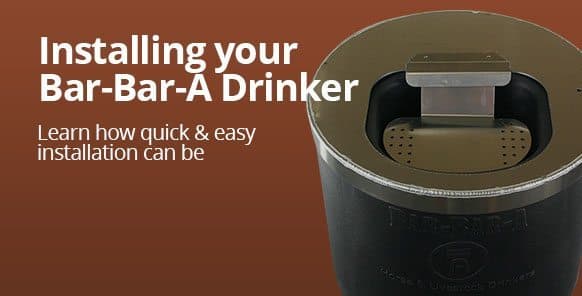
The Bar-Bar-A horse drinker is the pick for paddocks and pastures where running power is impractical. It is non-electric: water rises when a horse drinks and drains back down a well casing that reaches below the frost line, so there is no standing water to freeze and no heating element to run or replace. The cost sits in the installation rather than the operation — the supply line has to be trenched to frost depth — but there is no winter electricity draw and no cord in a wet paddock.
Estimated$800 – $1,400
Miraco LilSpring 3390
The Miraco LilSpring 3390 is positioned as the economical, compact automatic waterer ideal for small paddocks, training areas, or foaling stalls where space and budget are limited. Its technical advantage is low initial cost and simple, efficient float operation—cheaper to buy and install than full-size permanent units like the Nelson or Bar-Bar models—though its smaller capacity means more frequent checks and it lacks the heavy-duty or heated features of the premium options.

Farm Innovators Heated Bucket HB-60
The Farm Innovators Heated Bucket HB-60 provides the most affordable, portable winter solution for horse owners who need a plug-in, no-installation option to keep individual water supplies thawed. It is a cost-effective alternative to fixed heated drinkers: lower upfront cost and excellent portability, but it requires manual refilling and doesn’t offer the durability or automatic large-capacity delivery of commercial units like Nelson or Ritchie.

We may earn a commission on purchases. It never affects our rankings.
$69.99CAD
The useful split in this category is powered versus non-powered. Thermostatically heated founts and buckets only draw current as the water approaches freezing, which keeps winter running costs down but ties the unit to a GFCI-protected circuit and an element that eventually needs replacing. Non-electric drinkers avoid the wiring entirely by draining the water below the frost line between drinks — no running cost and nothing to fail electrically, at the price of a deeper trench at install.
What the research and veterinary guidance say about equine water systems
Veterinary guidance and extension research emphasize that consistent access to clean water is essential to equine health, digestion, and performance. Systems that prevent freezing and keep water fresh help maintain normal intake patterns in cold climates and can reduce the risk of dehydration-related issues. Filtration and regular cleaning lower pathogen and biofilm levels, improving water quality. Energy-efficient designs and thermostat-controlled heaters reduce operating costs while preserving water availability during extreme cold. Float- and paddle-actuated systems that deliver fresh water on demand also improve turnover and reduce stagnation, which supports better hygiene.
Hydration and health: Veterinary sources link steady water access to reduced risk of impaction and dehydration; horses that maintain normal daily intake recover faster and show fewer metabolic stresses.
Cold-climate performance: Heated drinkers and insulated systems help prevent freezing and maintain intake during winter, which is critical in Canadian conditions.
Water quality and filtration: Filtration and frequent turnover reduce bacteria and algae growth; easier-to-clean designs lower the chance of biofilm buildup.
Energy efficiency: Thermostatic controls and insulated components reduce heater run time and electrical consumption compared with always-on heaters.
Behavioral benefits: Float-fill and paddle-actuated systems that deliver fresh water quickly encourage regular drinking patterns, supporting digestion and athletic performance.
Two ways to beat the freeze: powered units hold the water above freezing with a thermostatically controlled element, while non-electric designs drain the water below the frost line between drinks so there is nothing left standing to freeze.
Electrical safety: any powered waterer, heated bucket, or tank de-icer in a barn or paddock belongs on a GFCI-protected circuit — the Canadian Electrical Code requires GFCI protection on outdoor and agricultural receptacles, and damp bedding, steel bowls, and chewed cords are a common fault path.
Frequently Asked Questions
Which automatic horse waterer should I buy for a Canadian winter?
For a permanent barn or pasture install with water and power already run, the Ritchie OmniFount 2 is the safest pick — Ritchie rates one double-sided unit for up to 40 horses at an 18-inch drinking height. If you cannot get power to the site, the Bar-Bar-A horse drinker is non-electric and drains below the frost line instead. For a single stall or a trailer, the Farm Innovators HB-60 is a 2-gallon, 60-watt heated bucket.
Do automatic horse waterers need electricity?
Not all of them. Heated units such as the Ritchie OmniFount 2 and the Farm Innovators HB-60 plug in and need a circuit run to the site. The Bar-Bar-A is non-electric: the water rises when the horse drinks and drains back down a well casing that reaches below the frost line, so nothing stands in the bowl to freeze. Any powered waterer in a barn or paddock should be on a GFCI-protected circuit, which the Canadian Electrical Code requires for outdoor and agricultural receptacles.
How many horses can a Ritchie OmniFount 2 water?
Ritchie rates the double-sided OmniFount 2 for up to 40 horses or beef cattle, with an 18-inch drinking height. The single-sided OmniFount 1 covers up to 20.
How much power does a heated horse bucket use?
The Farm Innovators HB-60 is a 2-gallon (9-quart) bucket with a 60-watt heating element — about the draw of an old incandescent bulb, and only when the thermostat calls for it. Run it from a GFCI-protected outlet and route the cord where a horse cannot reach it.
Conclusion
To recap: the Ritchie OmniFount 2 is the workhorse where the barn or pasture already has water and power, rated by Ritchie for up to 40 horses from one double-sided unit at an 18-inch drinking height. The Bar-Bar-A horse drinker is the answer where there is no power — it is non-electric and drains below the frost line rather than heating the water. The Farm Innovators HB-60 is the cheap, portable option: a 2-gallon, 60-watt bucket for one stall or a trailer. The Nelson 1200 Series and the Miraco Lil'Spring 3390 cover the heavy-duty and the compact ends of a permanent install. Before you order, confirm the frost depth for your site and have the circuit put on GFCI protection.