

Top 5 Rehabilitation Cable Strength Machines in Canada 2025 — Clinical-Grade, Microloading, and Biofeedback Options
Rehabilitation cable strength machines are low-load, high-control training systems designed specifically for physical therapy clinics, hospital rehab departments, sports medicine facilities, and home rehab users. These machines prioritize precise microloading, adjustable range-of-motion stops, and ergonomic handles to allow progressive, pain-free loading of injured or deconditioned tissues. In Canada, demand is growing for equipment that supports safe progressive loading across diverse patient populations — from post-operative orthopedics and neurological rehabilitation to pediatric and geriatric therapy. Consumers and clinicians prefer cable-based systems because they deliver continuous, multi-planar resistance, easy variable-loading without heavy stacks, and the ability to replicate functional movement patterns. Emerging trends such as integrated biofeedback, patient tracking software, and inclusive ergonomic design further increase appeal by improving adherence, documenting progress for funding or insurance, and enabling remote monitoring and tele-rehab.
Inception's AI took the time to understand this market in Canada · · How we pickWe may earn a commission on purchases. It never affects our rankings.
Top Picks Summary
HUR 5540 Pulley Machine
The HUR 5540 Pulley Machine is a clinic-focused cable trainer that combines low-impact pneumatic resistance with precise, incremental loading and SmartTouch-compatible tracking, making it ideal for progressive rehabilitation programs. It stands out among the list for its medical-grade programmability and gentle joint loading—more clinic-oriented than the commercially focused TotalGym or Keiser—while generally offering a lower-cost entry to fine-grained rehab dosing than the lab-grade Biodex. Its technical emphasis on reproducible progression and software integration makes it a strong choice where patient safety and measurable incremental progress matter most.

We may earn a commission on purchases. It never affects our rankings.
Estimated$12,000 – $18,000
TotalGym GTS
The TotalGym GTS is a compact, bodyweight-based cable and glideboard trainer that delivers very cost-effective, space-saving rehabilitation options for home and clinic use, with simple progressive resistance by adjusting incline. It is considerably more affordable and portable than institutional systems such as Biodex or SCIFIT, though it lacks the same low-starting-load fine control and clinical measurement features those models provide. For clinics or patients needing inexpensive, functional range-of-motion and strength carryover without complex software, TotalGym remains a practical entry-level rehab cable system.

We may earn a commission on purchases. It never affects our rankings.
$5,095.00CAD
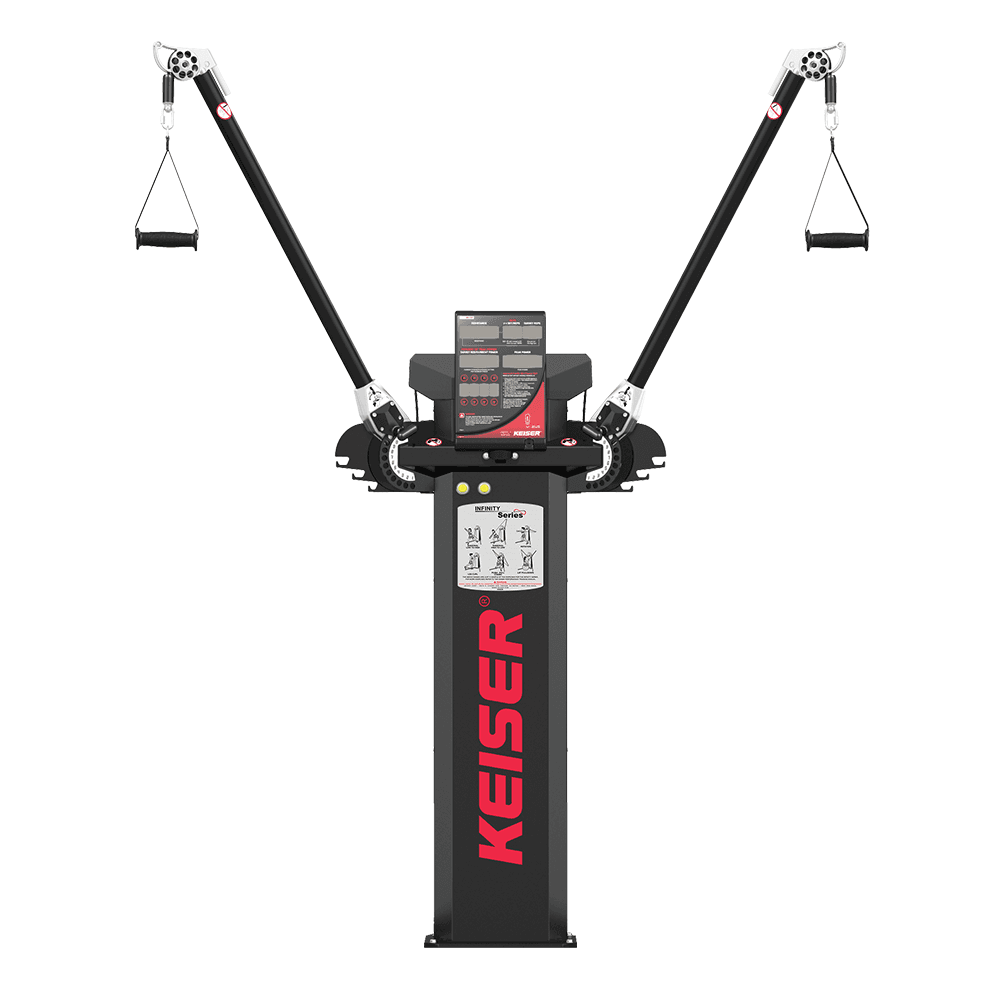
Keiser A420 Functional Trainer
The Keiser A420 Functional Trainer uses air-based resistance and a dual-adjustable pulley design to offer smooth, high-repetition, low-inertia loading suited to functional, sport-specific and rehab cable work. It strikes a middle ground between consumer options like TotalGym and clinical systems like HUR and Biodex by combining commercial durability and programmable resistance with a lower footprint and typically lower acquisition cost than lab-grade testers. Clinicians often choose Keiser when they need versatile, measurable functional training that is gentler on joints than traditional weight stacks but more robust than home systems.
We may earn a commission on purchases. It never affects our rankings.
Estimated$8,000 – $12,000
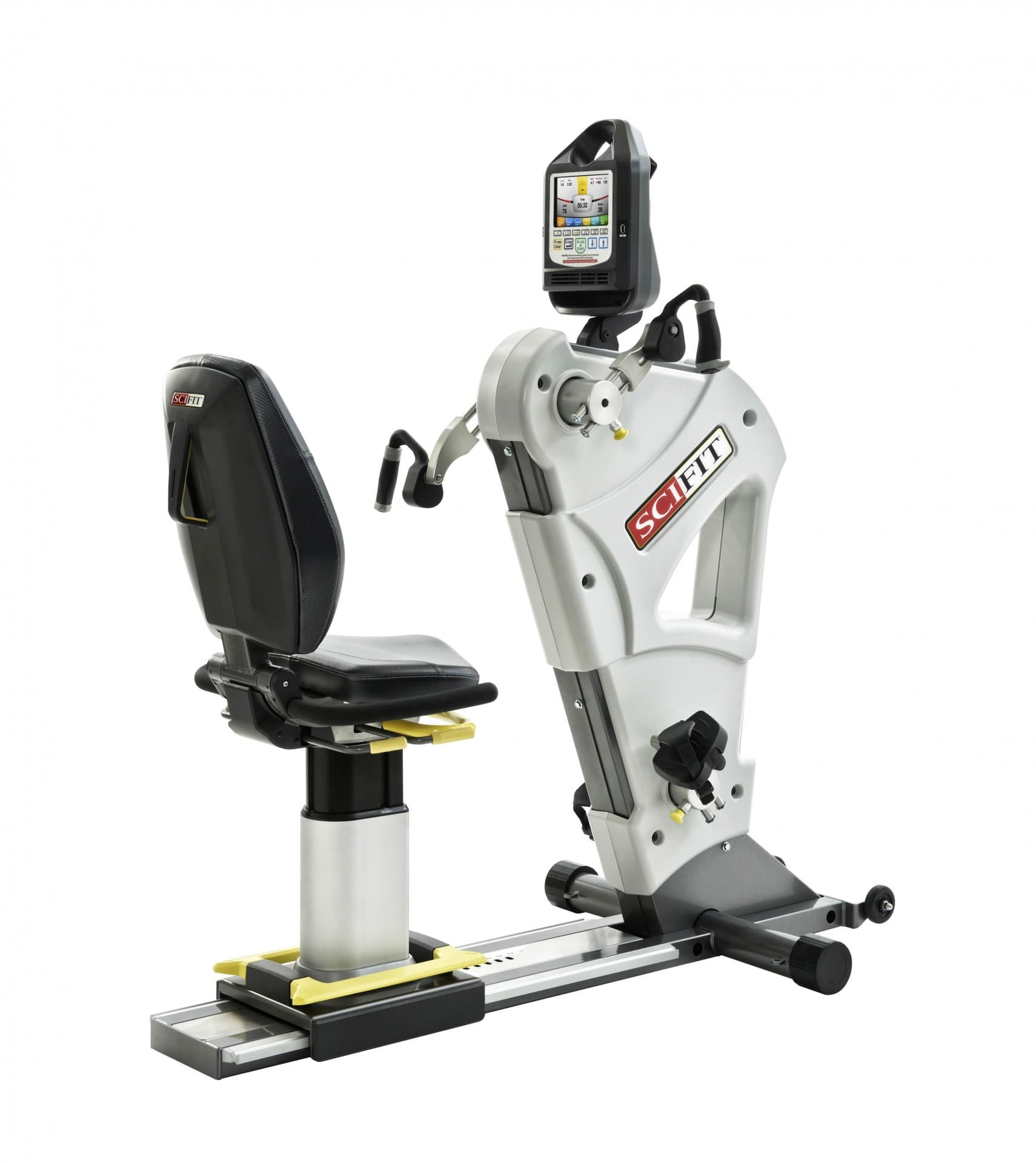
SCIFIT Inclusive Fitness Pro2 Total Body Trainer
The SCIFIT Inclusive Fitness Pro2 is engineered for accessibility and total-body rehabilitation, offering wheelchair-accessible setups, very low starting loads, and programmable protocols geared to older adults and neurologic populations. Its primary advantage over the other machines is an emphasis on inclusion and safety—features that make it more appropriate than stand-up-focused trainers like TotalGym or Keiser for patients with mobility limitations—though it is typically priced toward the clinical market. When patient accessibility and easy transferability are required alongside dependable progressive loading, SCIFIT provides a uniquely inclusive cable-style rehabilitation solution.
Estimated$12,000 – $18,000
What the Research Says About Cable-Based Rehabilitation Strength Training
Clinical and exercise-science research supports progressive, controlled resistance training as an effective component of rehabilitation for a wide range of conditions. Cable-based machines that enable low-load, high-repetition protocols, fine-grain microloading, and precise range-of-motion control align with evidence-based approaches for tendon rehab, post-operative strength recovery, balance and functional retraining, and safe strength gains in older adults. Integrated feedback and tracking tools are also supported by studies showing improved motor learning, better adherence, and stronger functional outcomes when patients can visualize performance and receive objective progress data.
Progressive resistance is a cornerstone of rehabilitation: randomized trials and systematic reviews show strength training improves functional outcomes after joint surgery and in chronic musculoskeletal conditions.
Microloading and low-load, high-control protocols reduce pain flare-ups and allow gradual tissue adaptation, which is especially helpful in tendinopathy and early post-op phases.
Biofeedback and visual feedback improve motor relearning and movement quality in neurological and orthopedic rehab settings, leading to faster gains and better retention.
Patient tracking and digital records increase adherence and allow clinicians to tailor progression with objective data, which correlates with better long-term outcomes and easier funding/insurance documentation.
Ergonomic, multi-planar cable systems better mimic daily and sport-specific movements than single-plane machines, supporting safer return-to-function transitions.
Frequently Asked Questions
Which machine should a rehab clinic choose for progressive loading?
Choose the HUR 5540 Pulley Machine for progressive rehabilitation because it uses an electronically controlled pulley system with smooth, adjustable resistance plus low-friction cable paths for precise ROM control, with an average rating of 4.6.
What exact feature helps control range of motion on HUR 5540?
The HUR 5540 Pulley Machine offers low-friction cable paths plus multiple handle attachments for multi-planar exercises and precise ROM control, supported by an electronically controlled pulley system, and it has an average rating of 4.6.
How does TotalGym GTS value compare to clinical options?
TotalGym GTS is positioned as a very cost-effective, space-saving rehab option for home and clinic use, using an incline-based glideboard design and progressive resistance via incline adjustment, but it’s rated 4.0 versus 4.6 for HUR 5540.
Is Biodex Multi-Joint System 4 better for testing than rehab training?
Biodex Multi-Joint System 4 is built for advanced isokinetic dynamometry and multi-joint assessment, with integrated software for detailed reporting and progress tracking, making it a strong testing choice (average rating 4.7) rather than a compact home glideboard setup.
Conclusion
In Canada for 2025, rehabilitation cable strength machines are a practical, science-aligned choice for clinics and serious home rehab users who need precise control, microloading, and modern software integration. The top options featured here — HUR 5540 Pulley Machine, Biodex Multi-Joint System 4, TotalGym GTS, Keiser A420 Functional Trainer, and SCIFIT Inclusive Fitness Pro2 Total Body Trainer — cover clinical-grade lab equipment, versatile clinic/home platforms, and highly accessible inclusive trainers. For many clinical settings that prioritize fine-grain progressive loading and rehab-specific software, the HUR 5540 Pulley Machine stands out as the best overall choice because of its microloading, clinical pedigree, and integration options. We hope you found the comparison helpful; if you want to refine or expand your search by price, clinic vs home use, software features, or accessibility, use the search to narrow results or explore related categories.