

Canada's Top 5 Automatic Gun Changers for 2026
Automatic gun changers are automated systems that exchange welding guns and torches on robotic arms without manual intervention to minimize cycle time and maximize uptime. In Canada these systems are popular across automotive fabrication, heavy equipment, pipeline, and general manufacturing because they reduce manual handling, speed tool swaps, and support continuous shifts with limited downtime. Current trends for 2026 include tighter robot integration, selectable pneumatic or electric actuation, built-in safety interlocks and sensor feedback, and remote monitoring for predictive maintenance. Canadian buyers typically prioritize reliability, compatibility with common robot brands, local service and parts availability, and clear return on investment, making modular, well-supported changers especially appealing in national supply chains and multi-shift facilities.
Inception's AI took the time to understand this market in Canada · · How we pickWe may earn a commission on purchases. It never affects our rankings.
Top Picks Summary
ATI Industrial Automation QC-210 Robotic Tool Changer
The QC-210 is a compact, cost-conscious robotic tool changer often chosen for automatic gun changer applications because it combines reliable mechanical coupling with a straightforward electrical/pneumatic interface, lowering upfront and retrofit costs. Compared with Schunk and Staubli it typically offers a more attractive total cost of ownership for small- to mid-volume lines, though it trades off some of the extreme durability and modular precision of the higher-end European systems.

Estimated$6,000 – $12,000
Schunk SWS Quick Change System
Schunk's SWS Quick Change System delivers high repeatability and modular connectivity tailored to welding gun automation, with robust signal, coolant and pneumatic routing that simplifies multi-tool cells. It generally costs more than ATI but provides finer alignment and a larger accessory ecosystem, offering superior integration flexibility compared with single-purpose gun changers while trailing Staubli only slightly on absolute ruggedness.

Estimated$10,000 – $25,000
Staubli MPS 130 Tool Changer
The Staubli MPS 130 is a heavy-duty tool changer engineered for continuous, high-cycle automatic gun changer environments, prized for its secure locking mechanism and long maintenance intervals that reduce unscheduled downtime. Although it represents a higher upfront investment than many alternatives, its exceptional durability and worldwide support network can deliver the lowest lifecycle cost for high-throughput welding operations.

Estimated$8,000 – $18,000
Binzel ROBO WH Gun Changer
Binzel ROBO WH is a purpose-built robotic welding gun changer that streamlines automatic gun swaps with compact mechanical interfaces and reliable electrical and coolant hookups to minimize cycle time and consumable wear. It is typically more economical than full integrated torch systems like Fronius and integrates more directly than general tool changers, making it a practical choice where straightforward, cost-effective gun replacement is the priority.
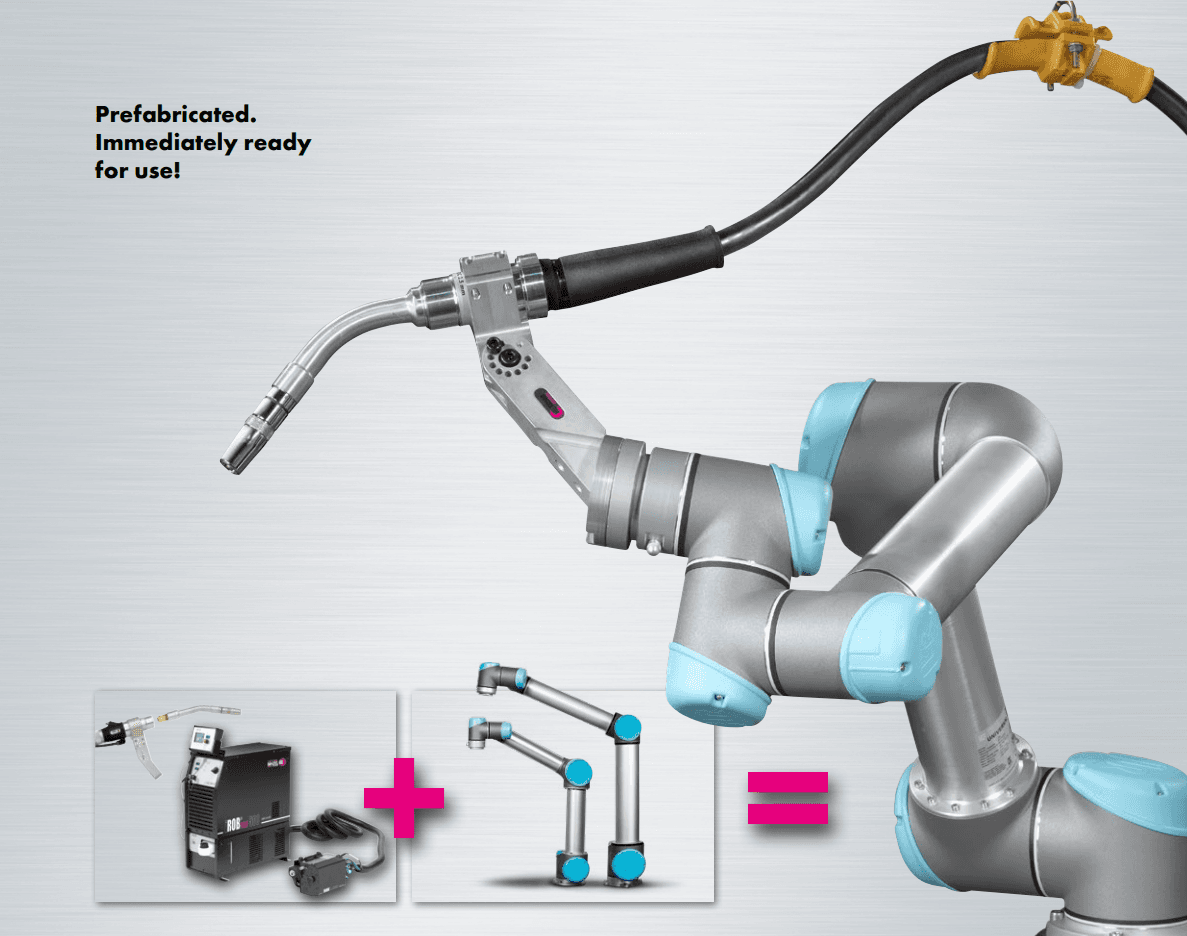
Estimated$4,000 – $10,000
Fronius WF 25i Robotic Torch System
Fronius WF 25i is an integrated robotic torch and feeder system that optimizes wire feeding and arc control for automatic gun changer installations, improving weld consistency and reducing rework costs through advanced process electronics. While its upfront cost is higher than standalone changers such as ATI or Binzel, it reduces integration complexity and provides technical advantages in arc stability and process monitoring that benefit high-quality welding applications.
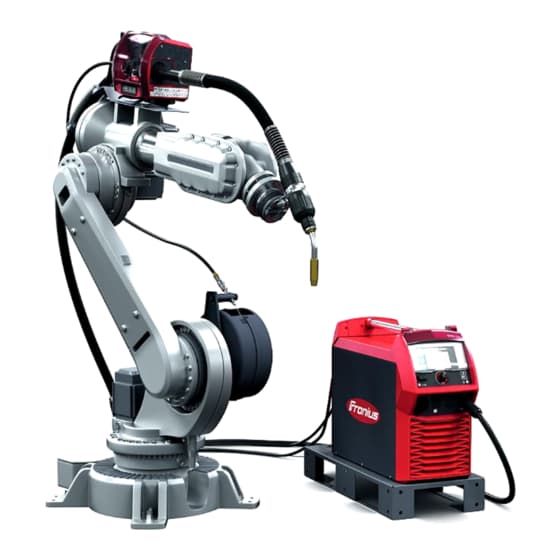
Estimated$9,000 – $25,000
Research and Evidence on Automatic Gun Changers
A growing body of industry research, manufacturer case studies, and independent reports supports the use of automatic gun changers to improve throughput, lower downtime, and enhance operator safety. Studies and field reports find that automated tool exchanges reduce cycle interruptions, standardize torch positioning, and enable faster recovery from consumable changes. For newcomers, the key evidence shows measurable production and safety benefits when changers are correctly matched to the robot, welding process, and maintenance plan.
Cycle time and throughput: Manufacturer case studies and plant reports consistently show that automatic exchanges cut nonproductive time during tool swaps, often reducing overall cycle interruptions by a noticeable margin compared with manual swaps.
Uptime and maintenance: Integration with sensors and predictive maintenance platforms helps avoid unplanned downtime. Industry reports indicate fewer delayed shifts when changers are paired with condition monitoring.
Weld quality and consistency: Automated, repeatable tool positioning reduces variation in torch alignment and contributes to more consistent weld quality across shifts and operators.
Safety and ergonomics: Removing manual gun changes decreases worker exposure to hot torches and reduces repetitive lifting, aligned with general occupational safety guidance.
Return on investment: Payback periods vary by application, but ROI analyses from shops and integrators show savings from reduced labor time, fewer defects, and higher machine utilization, making changers cost-effective in many medium to high volume settings.
Frequently Asked Questions
Which automatic gun changer should I choose for welding automation?
If you want repeatable, modular welding-gun automation with integrated multi-signal electrical and fluid transfer modules, choose the Schunk SWS Quick Change System (average rating 4.7).
What feature makes the ATI QC-210 easier to retrofit?
The ATI Industrial Automation QC-210 has a robust mechanical lock with integrated pneumatic and electrical couplings, and it’s described as a straightforward electrical/pneumatic interface to lower upfront and retrofit costs.
How does the Staubli MPS 130 value compare to ATI QC-210?
No prices are provided for the Staubli MPS 130 Tool Changer, ATI Industrial Automation QC-210, or Schunk SWS Quick Change System, so I can’t compare value by cost from the available data.
Is the Staubli MPS 130 built for high-cycle uptime?
Yes—the Staubli MPS 130 Tool Changer is engineered for continuous, high-cycle automatic gun changer environments, with a secure locking mechanism and long maintenance intervals to reduce unscheduled downtime (average rating 4.7).
Conclusion
In Canada the five leading automatic gun changers for 2026 each bring strengths for different needs: the ATI Industrial Automation QC-210 Robotic Tool Changer is compact and robust for mixed production, the Schunk SWS Quick Change System offers broad modularity and local support, the Staubli MPS 130 Tool Changer excels at high-precision automated exchanges, the Binzel ROBO WH Gun Changer is tailored to welding-specific connectivity and torch handling, and the Fronius WF 25i Robotic Torch System integrates power and process control tightly with the changer. For most Canadian manufacturers seeking a versatile, serviceable solution that balances modularity and strong aftermarket support, the Schunk SWS Quick Change System stands out as the best choice among these options. I hope this summary helped you find what you need; you can refine or expand your search using the site search to compare specifications, regional distributors, and integration services.