

Modular Welding Torches Canada 2026: Top 5 for Robotic Welding
Modular Welding Torches are interchangeable torch assemblies designed for end of arm tooling on industrial welding robots, enabling rapid reconfiguration for different weld processes and wire sizes. Modern modules emphasize modular cooling, integrated sensors, and plug and play compatibility to reduce downtime. In Canada, buyers favor modular torches that deliver consistent weld quality in harsh shop and field conditions, simplify maintenance with easy spare-part swaps, and integrate with common robotic controllers and peripheral systems. Key Canadian preferences include strong after-sales support, parts availability, compliance with local safety standards, and energy-efficient designs that lower total operating cost. This category appeals to automotive suppliers, heavy fabrication shops, pressure vessel makers, and manufacturers automating repetitive welds to overcome skilled labor shortages and boost throughput.
Inception's AI took the time to understand this market in Canada · · How we pickWe may earn a commission on purchases. It never affects our rankings.
Top Picks Summary
Fronius Robacta Drive CMT
The Robacta Drive CMT combines Fronius's CMT (Cold Metal Transfer) arc control with a modular robotic torch architecture to deliver ultralow spatter, exceptional thin-sheet performance, and tight process reproducibility. Compared with the other torches on this list it stands out for precision and reduced rework costs on delicate assemblies, and its tight integration with Fronius drives often lowers total cost of ownership for high-mix, high-precision production despite a premium initial price.

Estimated$2,500 – $6,000
Lincoln Electric Magnum Pro Curve
The Magnum Pro Curve is a modular, workhorse-style torch family that emphasizes ruggedness, easy field serviceability, and a broad aftermarket parts ecosystem to keep uptime high and replacement costs predictable. Versus the Fronius and Abicor Binzel premium robotic options it is generally more cost-effective up front and simpler to maintain in North American shops, making it a strong market-leader choice where durability and parts availability drive purchasing decisions.

Miller Tregaskiss TOUGH GUN TT
The Tregaskiss TOUGH GUN TT blends reinforced mechanical design with quick-change modular consumables to support aggressive duty cycles and fast maintenance turnarounds in production welding cells. Compared with Lincoln’s Magnum and SKS’s compact front-pull designs, the TOUGH GUN TT typically offers higher-duty robustness and an extensive service network in North America that reduces downtime costs for heavy industrial users.

Estimated$1,500 – $4,000
SKS Frontpull 8i
The Frontpull 8i is a compact, front-pull modular torch engineered for tight robotic cells and improved wire-feeding reliability in confined installations, which lowers integration and commissioning costs for compact automation. Against the larger, more feature-rich torches from Fronius or Abicor Binzel it trades some premium features for a smaller footprint and competitive pricing—an attractive financial and technical choice for manufacturers optimizing floor space and feed performance.
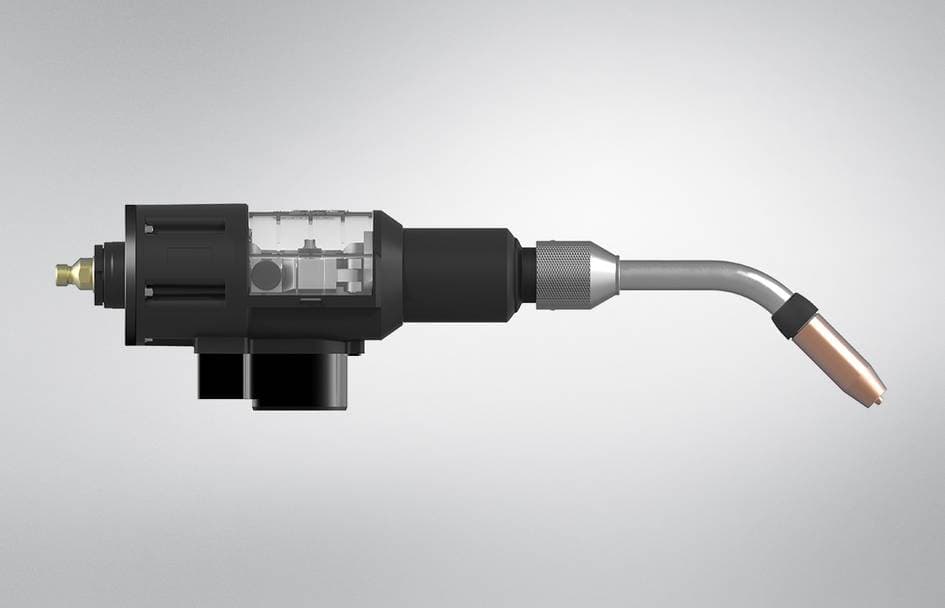
Estimated$1,400 – $3,600
Abicor Binzel ROBO WH
The ROBO WH is a premium modular robotic torch line with advanced cooling (water-cooled variants), broad nozzle and consumable options, and a focus on longevity and consistent weld quality in heavy-duty robotic applications. While it carries a higher upfront investment than some competitors, its extended consumable life, global parts support, and proven durability often yield lower lifecycle costs compared with lower-cost alternatives when uptime and repeatability are critical.
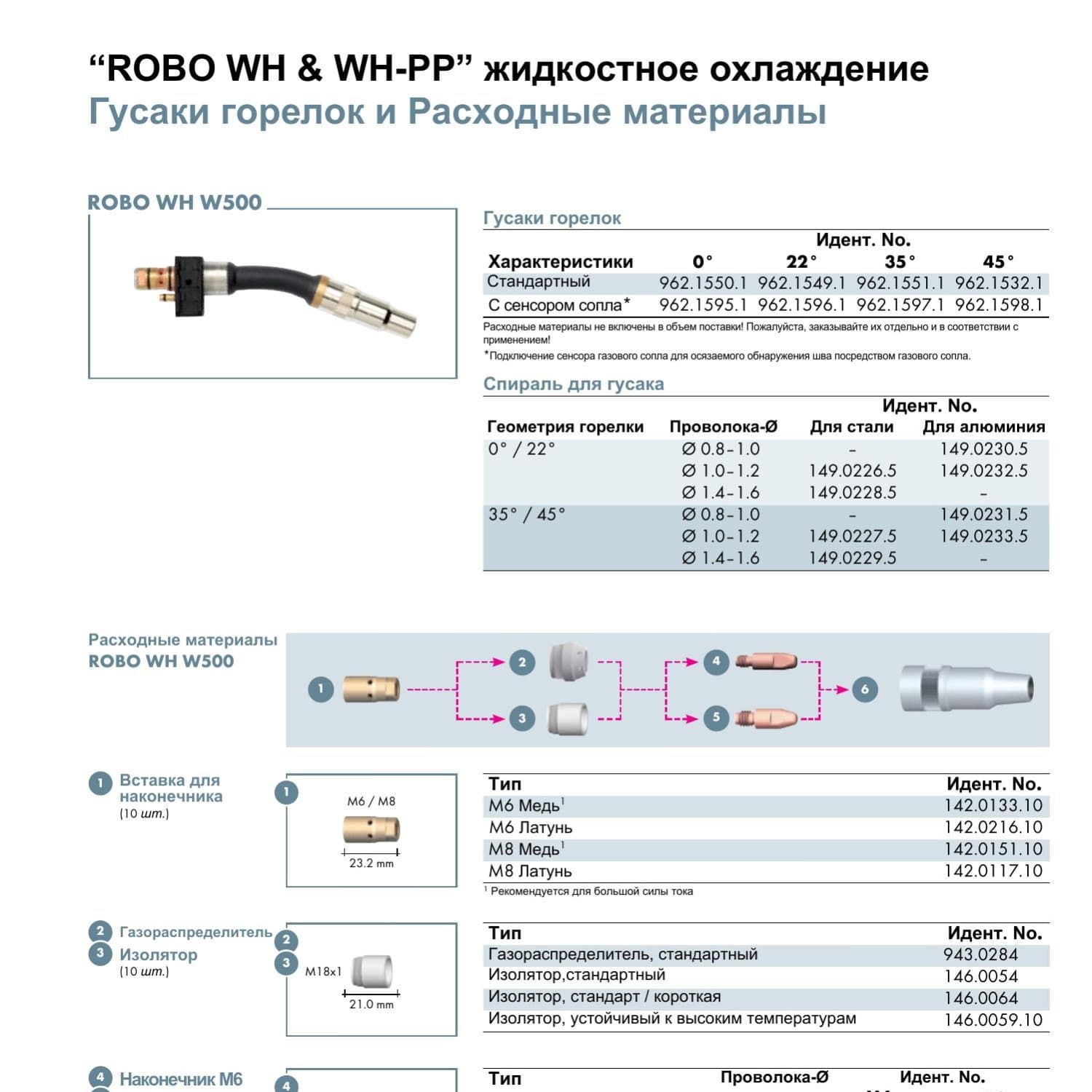
Estimated$2,000 – $5,200
Why modular torches work: what research and industry testing shows
Industry trials, engineering studies, and field tests consistently show that modular welding torches reduce downtime and improve process consistency when compared with fixed assemblies. Research and practical evaluations highlight three technical benefits: stable thermal control from modular cooling reduces distortion and maintains wire feed accuracy; integrated sensors (temperature, current, and cable-condition monitoring) enable early detection of faults and support predictive maintenance; and plug and play electrical and gas interfaces shorten changeover time and minimize human error. For beginners, that means fewer surprise stoppages, more repeatable welds, and lower lifetime cost per part. These findings come from a combination of peer-reviewed engineering literature, welding institute reports, and manufacturer field data aggregated across multiple industries.
Reduced downtime: field studies show modular swaps and standardized connectors cut average torch changeover time by a significant margin, which increases productive robot run time.
Improved weld consistency: stable cooling and precise wire feed control reduce heat variation, leading to more consistent bead geometry and fewer rework cycles.
Predictive maintenance: sensor-equipped modules supply data that lets maintenance teams address wear and cable issues before failures occur.
Energy and cost efficiency: optimized cooling and reduced idle time lower energy use and labor costs over the torch life cycle.
Easier qualification and compliance: standardized modules simplify process qualification across multiple robot cells and help meet Canadian and international welding standards.
Frequently Asked Questions
Is Fronius Robacta Drive CMT best for robotic CMT welds?
Fronius Robacta Drive CMT is a strong pick for robotic CMT setups because it’s designed specifically for CMT processes with precise short-circuit control, and it adds modular drive/quick-change front-end for fast maintenance; it has a 4.7 rating.
What exact feature helps Robacta Drive CMT reduce spatter?
Fronius Robacta Drive CMT lists “Ultra-low spatter” as a key benefit, and its key features include CMT-specific precise short-circuit control plus a modular quick-change front-end; it’s rated 4.7.
How does Lincoln Electric Magnum Pro Curve price compare value?
I don’t have any price data for the Lincoln Electric Magnum Pro Curve in the provided list, so I can’t compare value by cost; it is rated 4.6 and includes interchangeable modular consumables to reduce downtime.
Who should choose Miller Tregaskiss TOUGH GUN TT over others?
Choose Miller Tregaskiss TOUGH GUN TT when you need heavy-duty construction for high-duty-cycle robotic welding, since it has a tool-less modular front-end change for fast replacement and optimized cable/coolant routing; rating is 4.6.
Conclusion
Whether you need precise CMT control or rugged, high-duty torches for heavy fabrication, the five modular options profiled here cover a broad set of industrial needs in Canada. The Fronius Robacta Drive CMT stands out as the best overall choice for shops that prioritize fine-process control, integrated sensing, and smooth robot integration. The Lincoln Electric Magnum Pro Curve is a strong option for high-deposition and adaptive process profiles. The Miller Tregaskiss TOUGH GUN TT is notable for durability and easy servicing. The SKS Frontpull 8i offers compact design and front-pull cable advantages for tight installations. The Abicor Binzel ROBO WH delivers proven reliability and global parts availability. We hope you found what you were looking for; use the site search to refine by process, robot brand compatibility, cooling type, or to expand the comparison to more models and accessories.