

Top 6 Vehicle Restraints and Safety Systems in Canada for 2026
Vehicle restraints and safety systems secure trailers to loading docks and manage the safety of loading operations across warehouses, distribution centers, and manufacturing facilities. This category includes mechanical hooks and barriers, hydraulic and electronic restraints, automated interlocks, LED communication lights, and IoT-enabled monitoring platforms. In Canada, adoption is driven by stricter workplace safety standards, a focus on injury prevention, and the need to minimize supply-chain downtime in varied climate conditions. Buyers favor reliable, low-maintenance systems that integrate with existing dock controls, provide clear visual and digital communication for drivers and dock workers, and enable remote monitoring and preventive maintenance. The move toward integrated controls and connected solutions appeals to operations managers who need data-driven insights, regulatory compliance support, and measurable returns through fewer accidents and lower operational interruptions.
Inception's AI took the time to understand this market in Canada · · How we pickWe may earn a commission on purchases. It never affects our rankings.
Top Picks Summary
Poweramp Wheel-Lok Restraint
Poweramp's Wheel-Lok restraint targets facilities that prioritize budget, ease of installation, and reliable day-to-day performance; it is a rugged, practical system that delivers fast payback for smaller or budget-sensitive sites. When compared to the higher-spec clamp systems from Rite-Hite and Kelley, Poweramp trades some advanced features for lower acquisition and upkeep costs, making it a sensible choice for warehouses that need dependable wheel restraint without sophisticated integration or reporting requirements.
Show More Wheel Chock Systems for Dock Loading Bays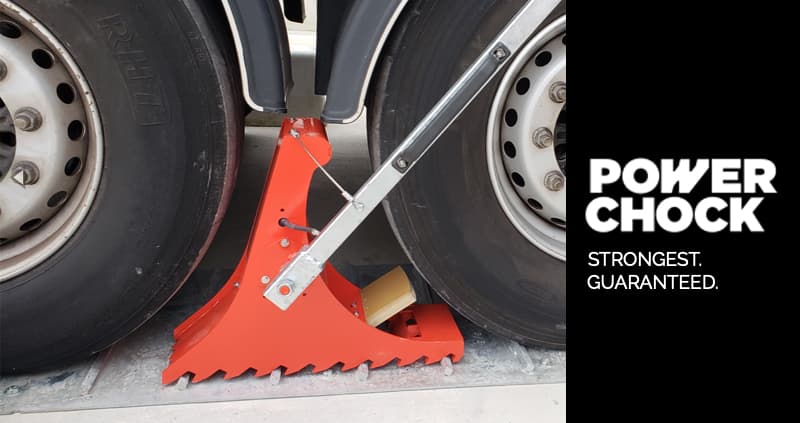
Blue Giant's Auto-Lok offers an automated hook restraint that balances strong security with a lower capital outlay, positioning it as the market leader for mid-size operations seeking a cost-effective automated solution. It is easier to retrofit and deploy than some of the larger integrated systems like the Rite-Hite, and typically delivers competitive lifecycle costs through simplified mechanics and fewer custom controls. For facilities prioritizing a fast return on investment and straightforward installation, Auto-Lok presents a solid financial and technical compromise between manual units and premium integrated systems.
Show More Hook Restraint Systems for Dock Loading Bays
Estimated$3,500 – $8,500
Rite-Hite DOK-LOK VR2000
The Rite-Hite DOK-LOK VR2000 is positioned as the market-leading automatic trailer restraint for dock loading bays due to its proven reliability, integrated communication with dock levelers and doors, and strong manufacturer support. It typically commands a premium price but delivers lower lifecycle costs through reduced cargo damage and fewer emergency service calls compared with lower-cost alternatives in this list. For operations prioritizing uptime and full-system integration, VR2000 is the technical benchmark against which the others are compared.
Show More Automatic Trailer Restraint Systems for Dock Loading Bays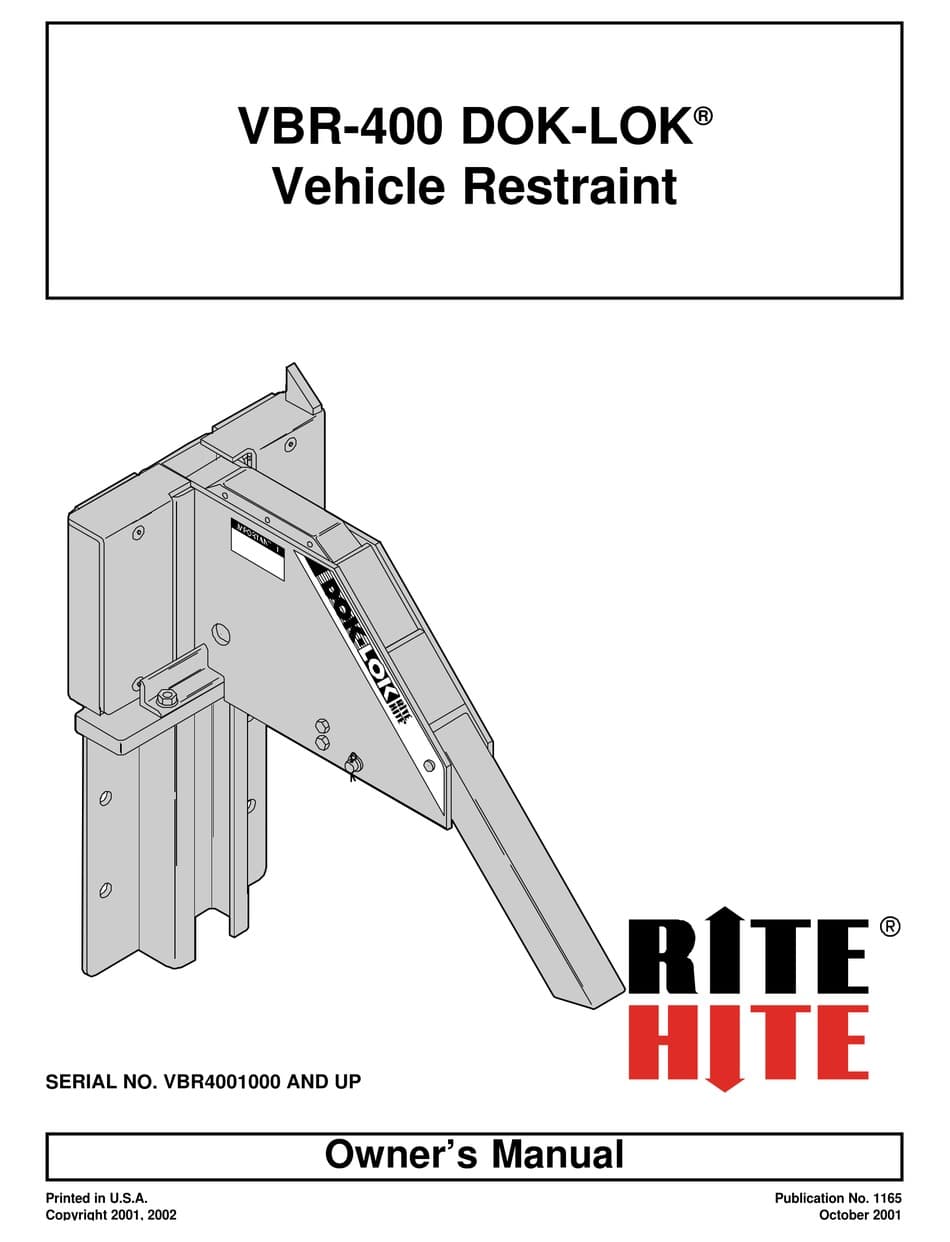
Estimated$6,000 – $9,000
Rite-Hite Dok-Lok Vehicle Restraint
The Dok-Lok Vehicle Restraint is the market-leading, heavy-duty hook-style restraint known for robust engagement, long service life and tight integration with door interlocks and control systems for loading bays. It holds its position by delivering a high-reliability, low-lifecycle-cost solution for high-throughput docks, trading a higher initial investment for reduced downtime and better insurance and compliance outcomes compared with simpler mechanical options like the Kelley TrukStop or Blue Giant Wheel-Lok. For the vehicle presence sensors and door interlocks use case, Dok-Lok’s proven electronics and interoperability make it the premium anchor that pairs well with Serco or Nova detection systems for full bay-level safety control.
Show More Vehicle Presence Sensors and Door Interlocks for Loading Bays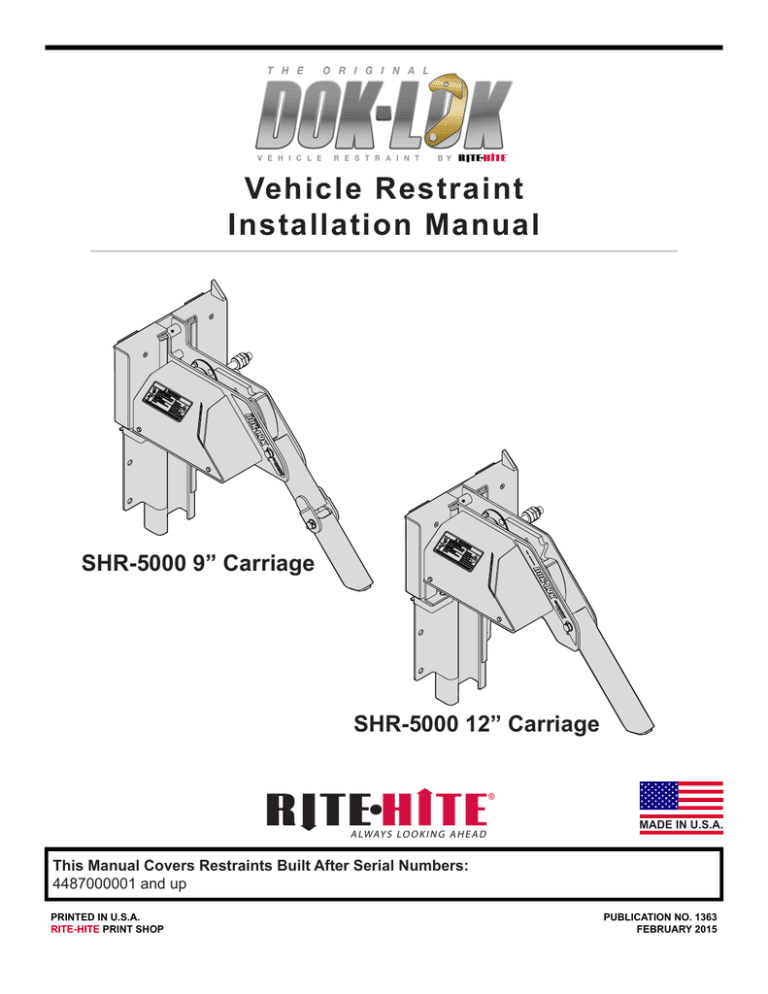
Estimated$4,500 – $8,000
Loading Dock Inc. Tri-Light LED Dock Signal
The Tri-Light from Loading Dock Inc is a cost-effective, three-state LED dock signal prized for its simplicity and low total cost of ownership. It provides clear red/yellow/green indication and easy retrofit installation, offering a more affordable alternative to integrated systems while still delivering superior energy efficiency and lifespan versus legacy incandescent options.
Show More Dock Safety Communication Lights and LED Signaling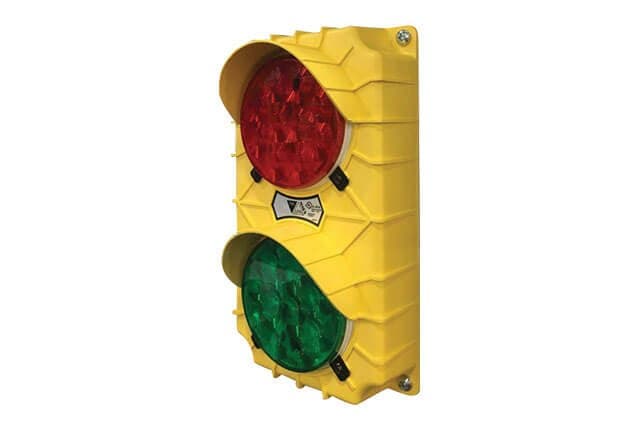
Estimated$350 – $900
Research and Evidence: Why These Systems Work
Multiple industry reports and safety organizations reinforce the benefits of properly specified vehicle restraints and dock safety systems. Research and guidance from entities such as Transport Canada, the Canadian Centre for Occupational Health and Safety (CCOHS), and international occupational safety bodies show that physical restraints combined with clear communication methods reduce the primary causes of loading accidents. Emerging studies on IoT-enabled safety devices demonstrate that monitoring, automated interlocks, and predictive maintenance can reduce unplanned downtime and help facilities meet evolving regulatory requirements. The following points summarize the practical, research-backed advantages in a beginner-friendly way.
Reduced accident risk: Evidence from occupational safety guidance shows that properly installed restraints and interlocks significantly lower the risk of trailer separation, rollaways, and loading-related injuries compared with unsecured docks.
Improved communication reduces errors: Visual systems such as LED traffic lights and dock status indicators reduce miscommunication between drivers and dock staff, which studies link to fewer loading errors and faster turnaround.
Operational uptime and ROI: Industry reports indicate that proactive monitoring and predictive maintenance, enabled by IoT sensors, reduce unscheduled repairs and downtime, leading to measurable operational savings over the system lifecycle.
Compliance and documentation: Integrated systems that log events and status can simplify regulatory reporting and audits, helping Canadian operators meet provincial and federal safety requirements.
Behavioral safety benefits: Automated interlocks and fail-safe mechanisms reduce reliance on human compliance alone, closing gaps caused by human error or procedural lapses.
Climate and environmental resilience: Research and field reports note that equipment designed for wide temperature ranges and rugged conditions performs better in Canada’s seasonal extremes, reducing maintenance costs and failures.
Frequently Asked Questions
Is the Blue Giant Wheel-Lok best for tight docks?
Choose the Blue Giant Wheel-Lok Vehicle Restraint when your loading bay has low clearance, since it uses a wheel-engaging clamp for a compact footprint and it’s rated 4.4.
What does the Blue Giant Wheel-Lok immobilize?
The Blue Giant Wheel-Lok Vehicle Restraint immobilizes trailer wheels using a wheel-engaging clamp, and it’s rated 4.4.
How does Blue Giant LED signal compare in value?
The Blue Giant LED Traffic Signal Light is rated 4.6 and includes mounting hardware, with an industrial-grade LED traffic signal for clear approach control at outdoor lanes.
Does the Blue Giant LED signal support wired control?
Yes—the Blue Giant LED Traffic Signal Light supports wired control, and it also supports optional wireless control integration; it’s rated 4.6.
Conclusion
Choosing the right vehicle restraint and safety system in Canada means balancing worker safety, regulatory compliance, and operational efficiency. We hope this overview helped you find the type of solution you need for 2026 — whether you want a rugged mechanical restraint, an LED communication kit, or a fully integrated IoT-enabled control package. Use the site search or filters to refine results by compatibility, connectivity, climate rating, or budget to expand or narrow your options.