

Top 5 Fiber Splice and Test Utility Trucks in Canada for 2026
Fiber splice and test utility trucks are purpose-built mobile workstations that bring climate-controlled splice bays, fusion splicers, optical time-domain reflectometers (OTDRs), and field test gear directly to deployment sites. In Canada, demand for these units is driven by rapid 5G cell site builds, wide FTTH rollouts, and the need to operate reliably across varied climates from coastal humidity to cold Prairie winters. Buyers prefer trucks with modular bench systems for flexible workflows, integrated remote monitoring for fleet visibility, and plug-and-play fiber kits that speed first-time installs. Fleet managers also value rugged service bodies, uncomplicated maintenance, and verified testing workflows that reduce repeat visits. These trucks shorten job cycles, protect sensitive splicing operations from weather, and support regulatory and carrier testing standards, making them essential equipment for contractors, utilities, and telecom providers across Canada.
Inception's AI took the time to understand this market in Canada · · How we pickWe may earn a commission on purchases. It never affects our rankings.
Top Picks Summary
Reading Utility Vehicles Fiber Splicing Body
Reading’s fiber splicing body is positioned as a best-in-class, splicing-centric upfit that prioritizes large integrated workbenches, built-in splice tray storage and internal cable reel management to streamline technician workflows. It delivers a cost-efficient, purpose-built layout that undercuts the higher-capex aerial providers on total acquisition cost while offering more splicing-specific features than general service bodies like Knapheide or modular packages like EZ STAK.
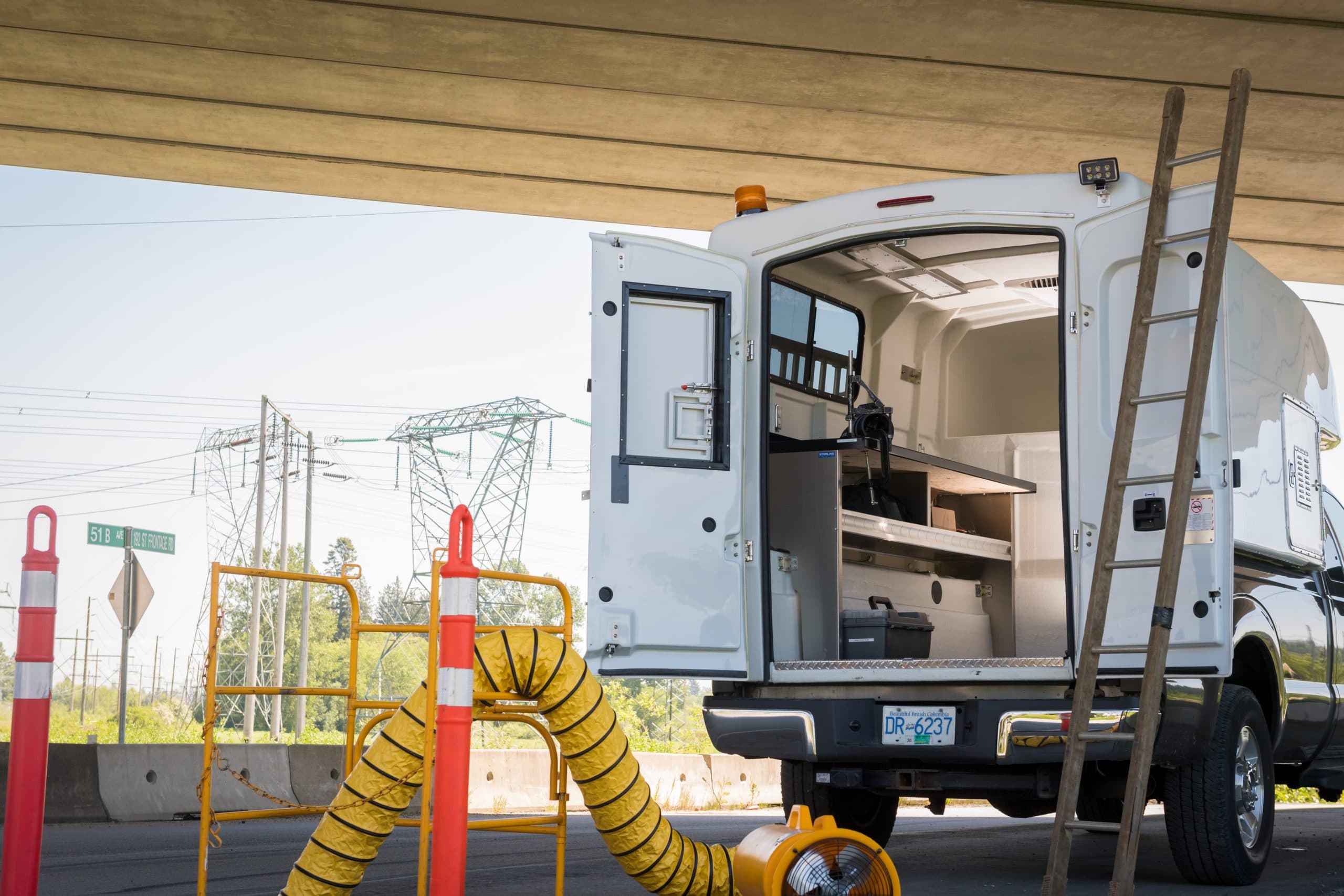
Estimated$25,000 – $55,000
Altec Fiber Optic Splice Truck Body
Altec is presented as a market leader thanks to its integrated aerial device options, heavy-duty hydraulics and broad dealer/service network that maximize uptime for utility-scale fiber work. Though it typically commands a higher upfront price than Reading or EZ STAK, Altec’s superior lifting capability, rugged components and resale value make it the preferred choice where safe access to poles and repeated aerial work are critical.
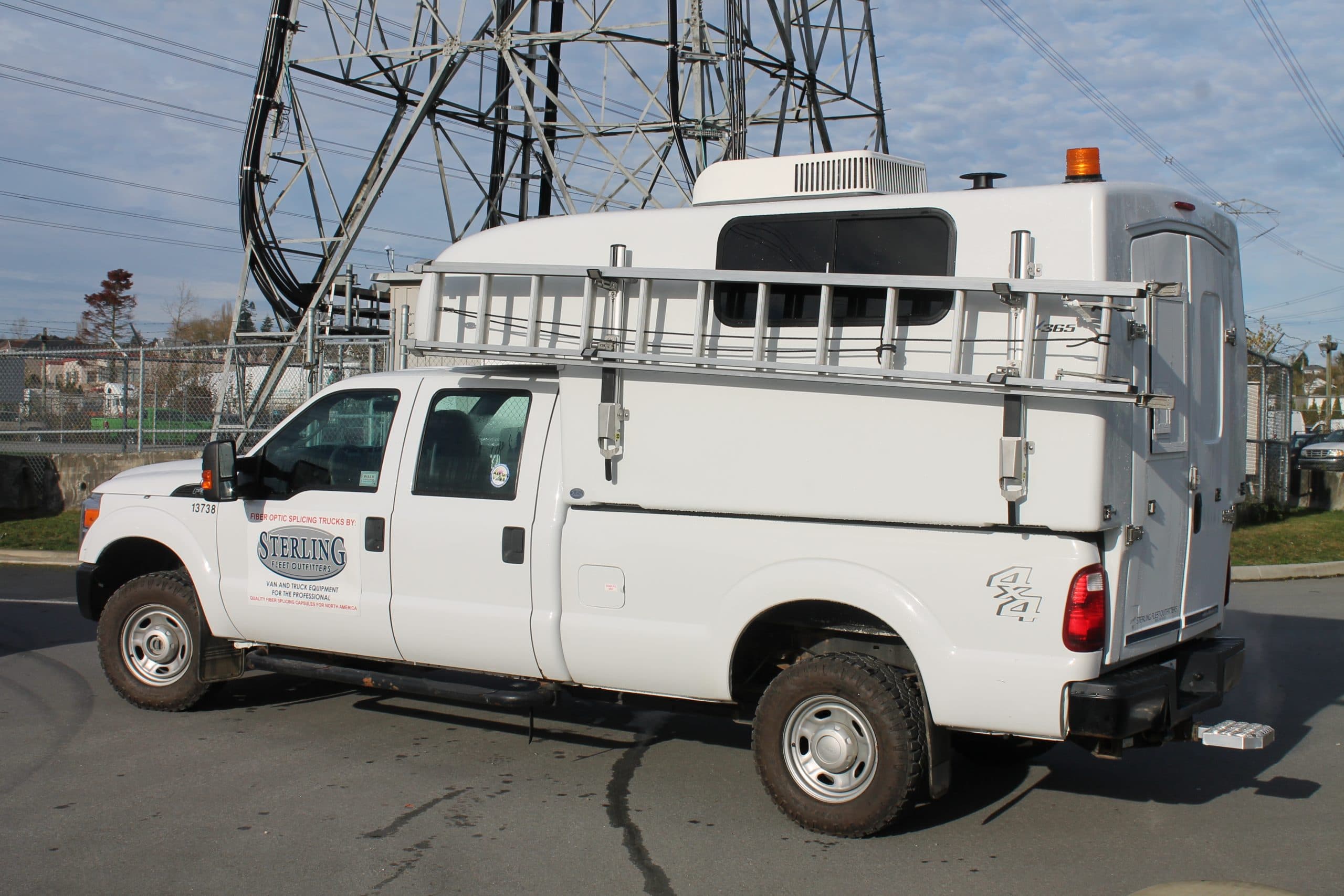
Estimated$40,000 – $90,000
Knapheide Fiber Optic Service Body
Knapheide’s fiber service body stands out for its widely configurable, off-the-shelf designs, extensive dealer footprint and low lead times, offering a financially attractive and versatile option for fleets that need rapid deployment. Technically it is less specialized for splice workflows than Reading and lacks Altec’s aerial capability, but its proven steel construction and accessory ecosystem deliver strong payload capacity and lower total cost of ownership for mixed-use utility tasks.
Estimated$20,000 – $45,000
Palfinger PAL Pro Fiber Service Body
Palfinger’s PAL Pro fiber service body brings premium European engineering to splice and test fleets, with compact footprint options, refined hydraulic cranes and precise controls that reduce operator fatigue and maintenance intervals. Its higher capital cost is offset by long-term durability and precision lifting similar to Altec’s strengths, making it attractive for contractors who need compact, high-precision lifting and lower lifecycle maintenance compared with basic service bodies.
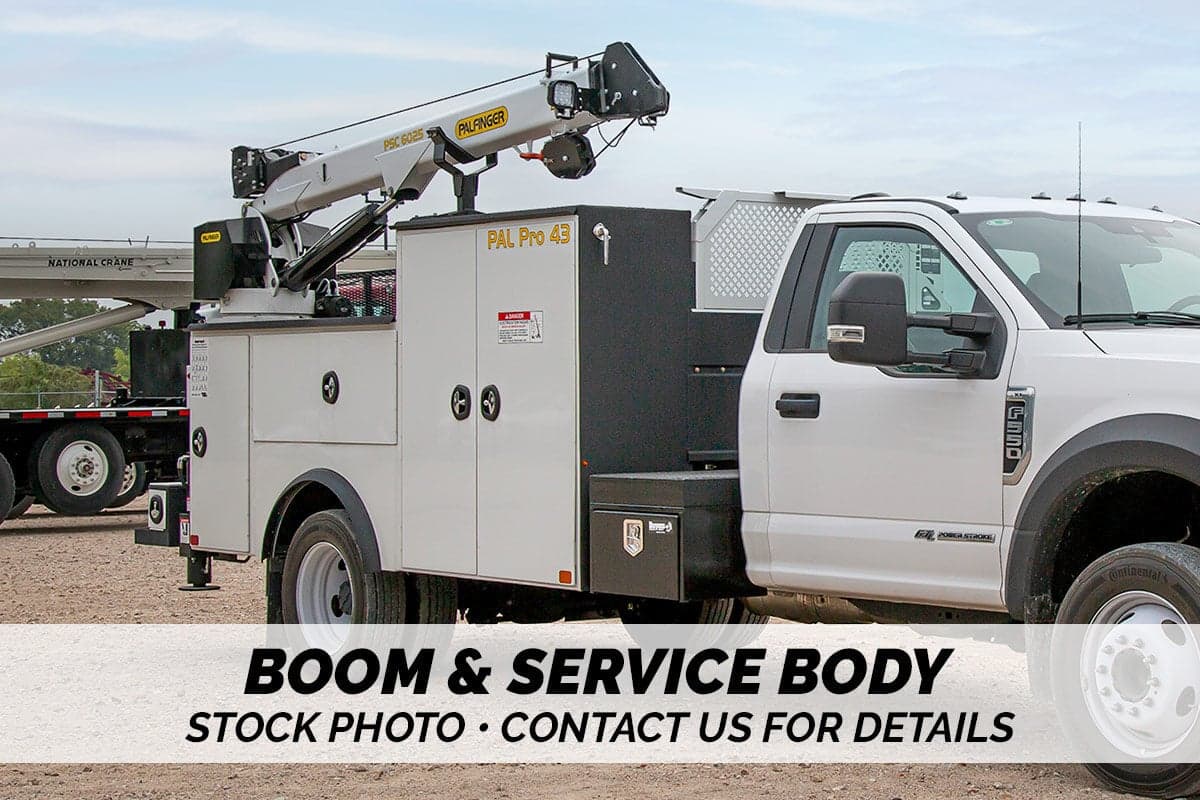
Estimated$60,000 – $140,000
EZ STAK Fiber Splice Truck Package
EZ STAK’s package is a modular, stackable fiber splice solution aimed at rapid deployment and fleet scalability, using lightweight compartments and standardized rack interfaces for splicing and test equipment. Financially it is the most budget-friendly and fastest-to-deliver option on the list, trading off heavy aerial capability and some heavy-duty durability found in Altec or Palfinger for lower acquisition cost and simplified inventory management ideal for expanding contractors.
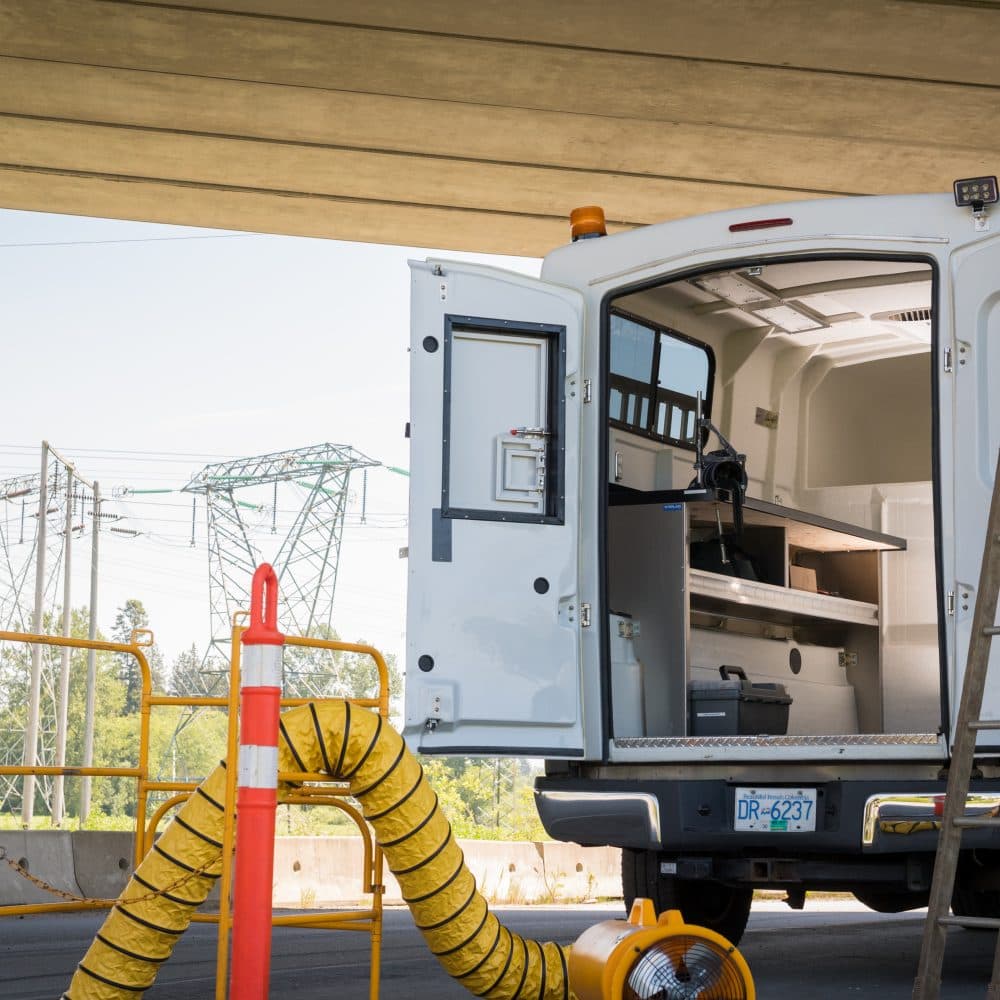
Estimated$80,000 – $180,000
Why climate-controlled, modular splice trucks matter: research-backed benefits
Several industry studies and standards bodies show that controlled environments, standardized test methods, and modular equipment designs improve splice quality, reduce rework, and increase deployment speed. Practical field research and guidelines from organizations such as the FTTH Council, IEEE, and testing standards referenced by industry labs support the performance advantages of dedicated mobile splice and test units. The benefits are accessible even to those new to fiber work because they come down to consistent conditions, repeatable tests, and workflows designed for efficient field use.
Climate control reduces splice loss variance: controlled temperature and humidity inside a splice bay stabilizes fiber handling and reduces the chance of microbends or contamination that increase insertion loss.
Standardized OTDR and loss testing improves acceptance rates: following established test procedures produces repeatable results and lowers the likelihood of failed commissioning.
Modular bench systems speed deployment: configurable benches and plug-and-play kit storage shorten setup times and make it easier to scale crews for high-volume FTTH and 5G projects.
Remote monitoring and telematics improve uptime: fleet-level diagnostics let managers detect equipment faults early and deploy support, increasing first-time fix rates.
Field study consensus: projects that used dedicated splice/test vehicles reported fewer truck rolls per passive fiber link and faster mean time to restore compared with ad hoc setups.
Frequently Asked Questions
Which splice truck body should I buy for tech workflows?
Reading Utility Vehicles Fiber Splicing Body—its dedicated climate-controlled splicing compartment, built-in splice tray storage, and internal cable reel management are designed to streamline technician workflows; it has an average rating of 4.65.
What exact climate and storage features does Reading have?
Reading’s Fiber Splicing Body includes a dedicated climate-controlled splicing compartment with organized fiber storage, plus a modular drawer and cabinet system sized for fusion splicers and test instruments; average rating is 4.65.
How does Knapheide compare on price versus splicing specialization?
Knapheide Fiber Optic Service Body is described as cost-effective and financially attractive, while being “less specialized for splice”; it offers configurable cabinets for fusion splicers, OTDRs, and cable reels, with an average rating of 4.45.
Is Altec better if I need aerial device attachment?
Altec Fiber Optic Splice Truck Body is positioned for boom-ready setups, with factory-integrated fiber splice compartments that include provisions for aerial device attachment, plus preconfigured test-rack spaces; average rating is 4.55.
Conclusion
In Canada the right mobile splice and test truck can make the difference between a smooth FTTH or 5G rollout and costly rework. This page highlights five strong options for 2026: Reading Utility Vehicles Fiber Splicing Body, Altec Fiber Optic Splice Truck Body, Knapheide Fiber Optic Service Body, Palfinger PAL Pro Fiber Service Body, and the EZ STAK Fiber Splice Truck Package. For most Canadian fleets looking for a balance of proven build quality, climate-controlled splice bays, and modular bench flexibility, the Reading Utility Vehicles Fiber Splicing Body stands out as the best overall choice. We hope you found the information you were looking for. If you want to refine or expand your search, use the search to filter by features, climate package, or testing equipment options.