Top 5 Laser Metal Deposition 3D Printers in Canada for 2026
Published on Monday, July 20, 2026
Laser Metal Deposition (LMD) uses a focused laser to melt metal powder or wire as it is deposited, allowing repair, surface enhancement, and the addition of new material to existing parts. LMD is especially valuable in aerospace repair, heavy equipment refurbishment, and the manufacture of complex or large geometries that are difficult or costly to produce by casting or machining. In Canada, adoption of LMD has grown steadily through 2026 as aerospace maintenance facilities, research institutions, and specialty manufacturers prioritize reduced lead times, material efficiency, and on-site repair capability. Canadian buyers tend to favor systems that balance high deposition rates with robust process control, reliable after-sales support and service, proven alloy compatibility (for example titanium, stainless steels and nickel alloys), and compliance with industry quality standards. Other strong influences on purchasing choices in Canada include easy integration with existing CNC and additive workflows, powder handling and safety features, energy efficiency, and access to local training and certification resources through suppliers or regional innovation hubs.
Top Picks Summary
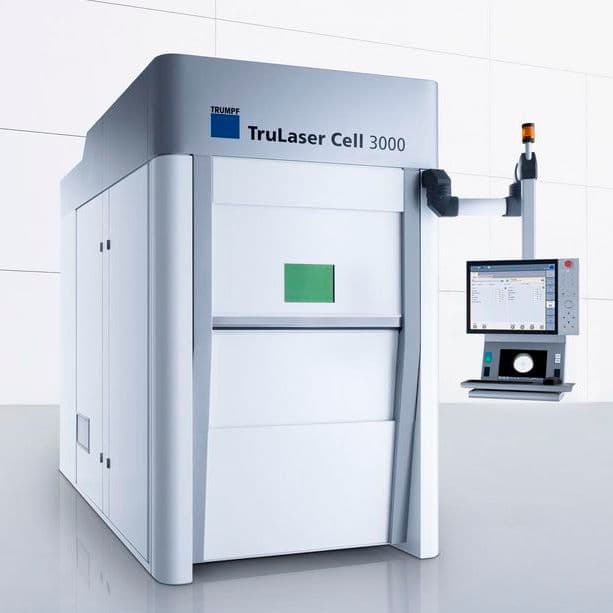
TRUMPF TruLaser Cell 3000
TRUMPF TruLaser Cell 3000 is a turnkey, industrial-grade laser metal deposition cell known for high throughput, repeatable precision and deep factory automation; its robust hardware and global service network make it a go-to choice for production-scale DED applications, albeit usually at a higher CAPEX than smaller or retrofit-focused systems. Compared with the other systems in this list it prioritizes automation and integration over retrofit flexibility—offering stronger out-of-the-box productivity than Optomec and Meltio, and a larger installed-solution advantage versus BeAM, while competing with DMG MORI on industrial reliability but with less integrated machining capability than the LASERTEC 65 DED.
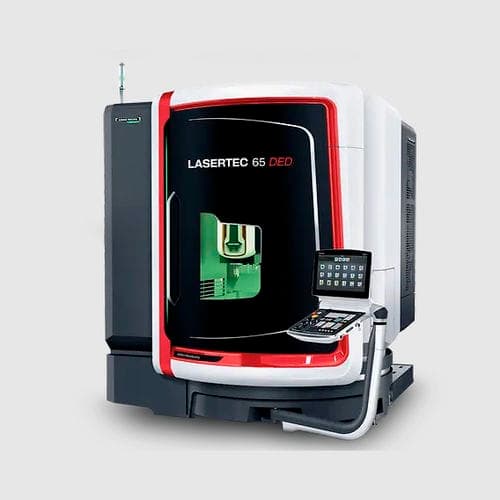
DMG MORI LASERTEC 65 DED
DMG MORI LASERTEC 65 DED is a hybrid platform that combines directed energy deposition with full five‑axis machining, delivering superior dimensional accuracy and reduced secondary finishing for complex parts, which can justify its higher initial investment by lowering total cycle time. Against the TruLaser Cell 3000 it stands out for integrated CNC machining and superior as-built tolerances; compared with Optomec, Meltio and BeAM it trades a larger footprint and higher system complexity for tighter tolerances and more complete in-machine finishing.
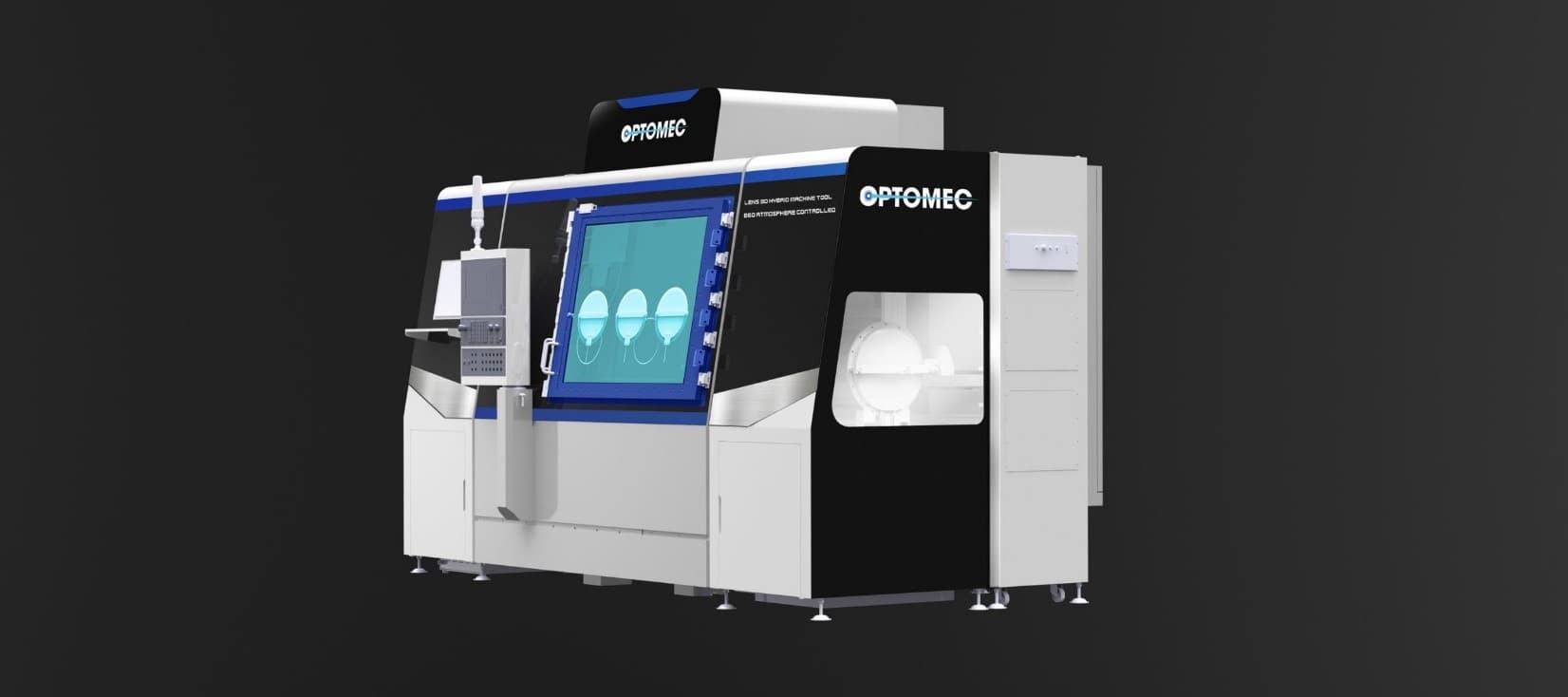
Optomec LENS 860
Optomec LENS 860 is a proven, flexible powder DED system favored for repair, cladding and custom applications due to its open architecture and broad material compatibility, making it a cost-effective choice for shops that need lower entry cost and adaptable process control. Relative to the larger turnkey TRUMPF and DMG MORI solutions it offers lower CAPEX and easier retrofitting to existing CNC platforms, though it typically provides less factory-level automation and in-machine finishing than hybrid machines like the LASERTEC 65 DED or packaged cells such as the BeAM Modulo 400.
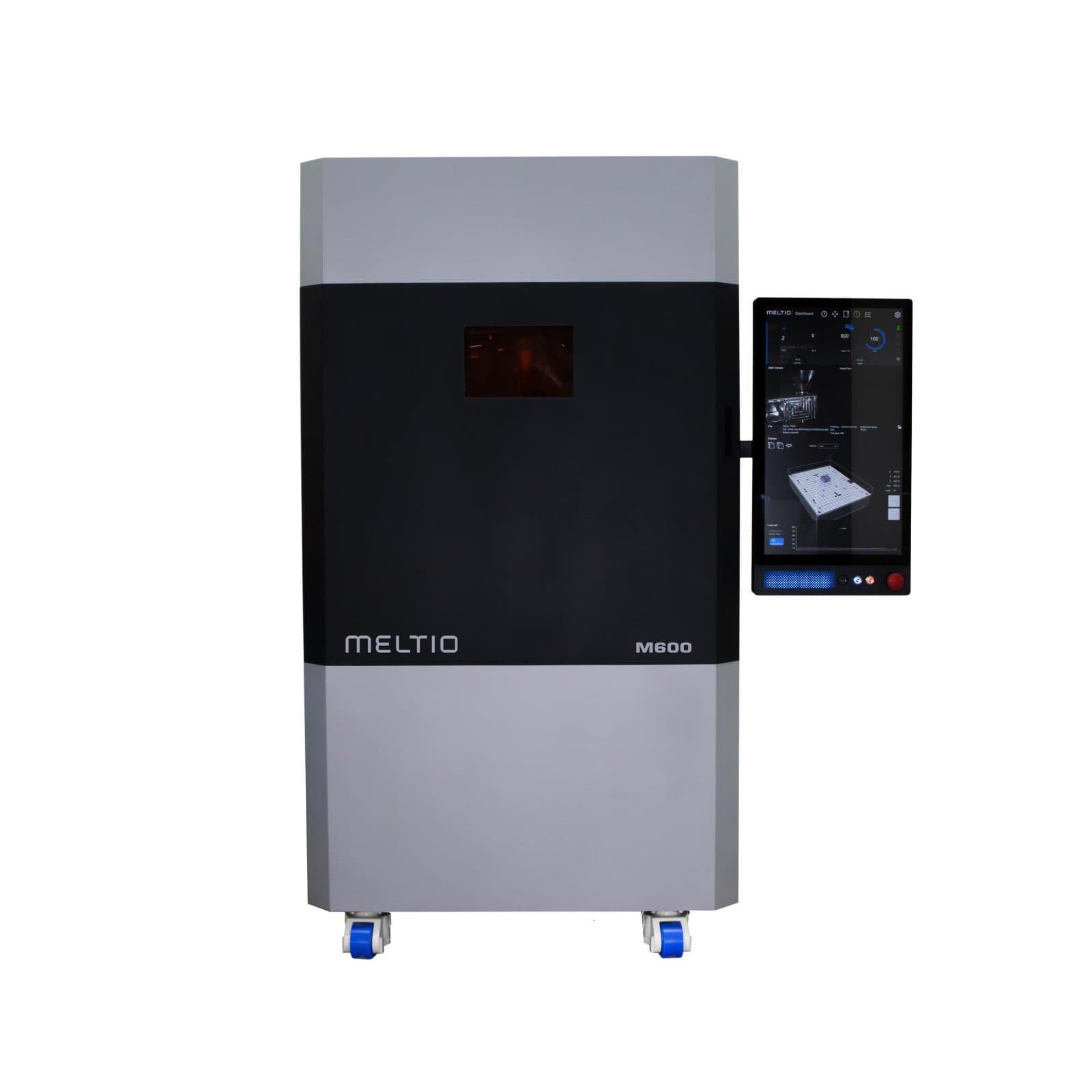
Meltio M600
Meltio M600 is a compact, modular laser metal deposition system engineered for straightforward integration and high deposition productivity, with modern control and material handling that deliver an attractive price-per-deposited-kilogram profile. It competes well with Optomec on retrofit flexibility and often undercuts larger full-cell providers on total cost of ownership, while narrowing performance gaps to industrial leaders like TRUMPF and DMG MORI by emphasizing rapid deployment and scalable throughput rather than maximum factory-scale automation.
BeAM Modulo 400
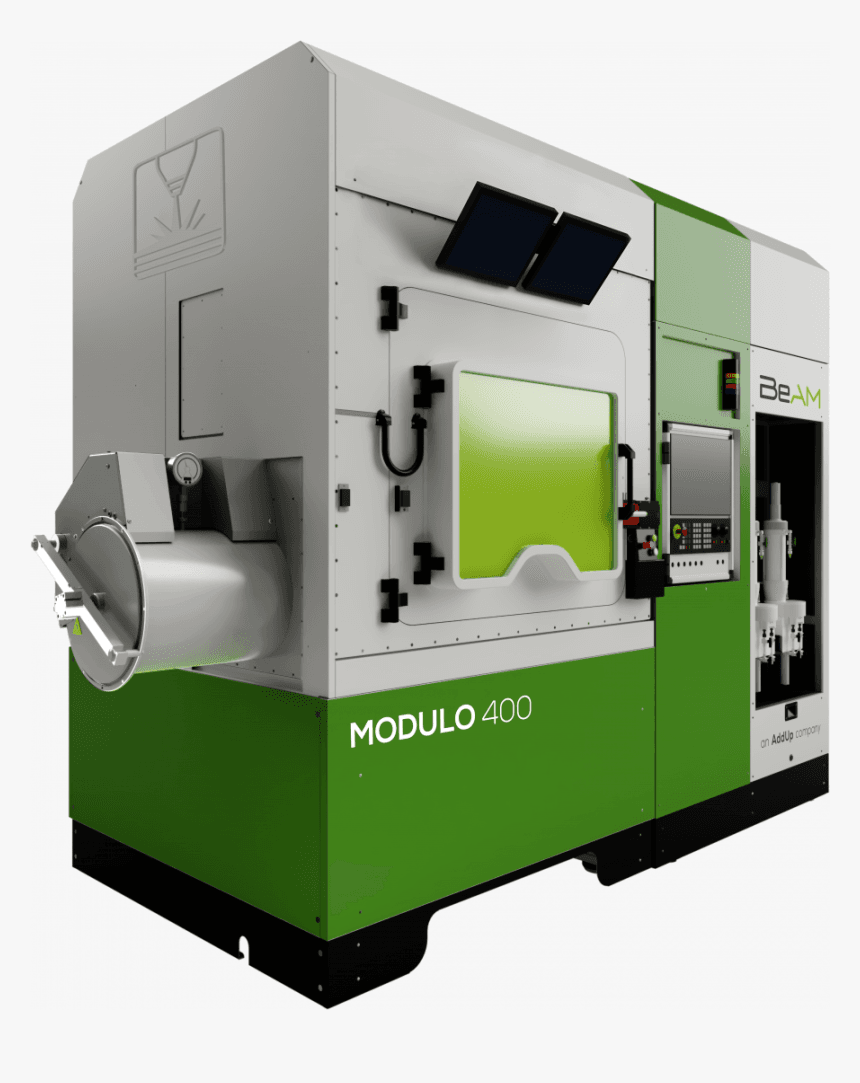
BeAM Modulo 400 is a compact hybrid DED cell that emphasizes a small footprint and modularity for medium-sized parts and repair operations, providing a cost-effective packaged solution between bare DED heads and full production cells. Compared with the DMG MORI LASERTEC 65 DED it is more affordable and simpler to operate but offers less integrated machining power and throughput, and versus Optomec and Meltio it delivers a more industrialized turnkey cell with stronger factory-ready features while typically requiring less site customization.
What research and industry studies show about LMD
An expanding body of peer reviewed research and industry testing supports the practical benefits of Laser Metal Deposition. Studies compare LMD to other metal additive technologies and to traditional repair methods, showing that when process parameters and postprocessing are properly controlled, LMD can deliver metallurgical bonding, high deposition rates, and cost savings for repair and low-volume production. Researchers also emphasize the importance of qualification, simulation, and controlled heat treatment to achieve repeatable mechanical properties and fatigue performance.
Higher deposition rates and lower cycle times than many powder bed processes make LMD a strong choice for large parts and repairs.
Research shows good metallurgical bonding between deposited material and base metal when process parameters are optimized, reducing the need for full part replacement.
Wire fed LMD tends to produce lower powder handling complexity and improved material utilization compared with some powder-based systems.
Several studies demonstrate that appropriate post-deposition heat treatment and machining restore fatigue life close to wrought parts for many alloys.
Process monitoring, closed-loop control and simulation models are key research areas that improve repeatability and part qualification.
Life cycle and cost analyses often find LMD reduces total repair costs and lead times for heavy industrial components versus removing and remanufacturing parts.
Frequently Asked Questions
Which laser metal deposition printer is best for high-volume production?
The TRUMPF TruLaser Cell 3000 is the ideal choice for high-volume production due to its integrated 6-axis robot cell and turnkey automation capabilities.
Does the DMG MORI LASERTEC 65 DED offer five-axis machining?
Yes, the DMG MORI LASERTEC 65 DED features high-precision 5-axis positioning with closed-loop control, allowing for both additive deposition and CNC milling in a single hybrid platform.
Is the Optomec LENS 860 a cost-effective option for metal repair?
The Optomec LENS 860 is a cost-effective choice for shops needing lower entry costs, offering flexible powder DED systems specifically designed for repair, cladding, and custom prototype work.
What is the average customer rating for the TRUMPF TruLaser Cell 3000?
The TRUMPF TruLaser Cell 3000 holds an average customer rating of 4.6 out of 5 stars, reflecting its reliability for industrial-scale directed energy deposition applications.
Conclusion
Across Canada, Laser Metal Deposition is becoming a practical standard where repair, refurbishment and low volume complex builds are required. The five systems highlighted on this page each serve different priorities: TRUMPF TruLaser Cell 3000 is a robust industrial cell for high uptime, DMG MORI LASERTEC 65 DED combines strong machine tool pedigree with DED capability and is our best overall choice for most Canadian buyers due to its service network and aerospace readiness, Optomec LENS 860 offers open architecture and strong research and aftermarket repair credentials, Meltio M600 provides a compact and flexible wire-based solution that is easy to integrate, and BeAM Modulo 400 is a modular option suited to shops that need adaptable work envelopes. We hope you found the overview helpful. If you want to refine results or expand your search, use the site search to compare specifications, request demos, or find local Canadian dealers and service partners.