

Top 6 Veterinary Prescription Antiglaucoma Eye Medications for Dogs in Canada (2025) - Veterinarian-Reviewed Options to Protect Your Dog's Vision
Prescription antiglaucoma medications for dogs include topical and systemic agents used to lower intraocular pressure (IOP) and protect vision. This category covers beta blockers, carbonic anhydrase inhibitors, prostaglandin analogues and combination therapies commonly prescribed by veterinarians. Canadian pet owners often choose prescription antiglaucoma drugs because veterinary oversight ensures correct diagnosis and dosing, compounding and provincial dispensing rules are followed, and treatment is tailored to the type and stage of glaucoma. Market preferences in Canada in 2025 emphasize once- or twice-daily dosing for better owner compliance, combination formulations that simplify regimens, availability through licensed Canadian pharmacies or hospital dispensaries, and consideration of cost and pet insurance coverage. Safety, proven IOP reduction, and preserving quality of life are the primary drivers that make this category appealing to Canadian dog owners and clinicians alike.
Inception's AI took the time to understand this market in Canada · We may earn a commission on purchases. It never affects our rankings.
Top Picks Summary
Betoptic S 0.25 Ophthalmic Suspension
Betoptic S (betaxolol 0.25% suspension) is positioned as a cardioselective beta-1 blocker with a suspension formulation that can provide a favorable systemic safety profile for dogs with respiratory or cardiac sensitivity compared with nonselective timolol products. Although typically more expensive than generic timolol solutions, its technical advantage of beta-1 selectivity and a formulation designed for sustained ocular contact make it attractive for patients where reduced pulmonary side effects and targeted action are priorities.
Show More Topical Beta Blocker Ophthalmic Antiglaucoma Medications for Dogs
Azopt (Brinzolamide) 1% Ophthalmic Suspension
Azopt is the market-leading brinzolamide 1% suspension, valued in canine ophthalmology for a formulation that can be more comfortable and less stinging than acidic aqueous solutions. Compared with dorzolamide brands, Azopt often provides similar carbonic anhydrase inhibition with a distinct suspension profile — a technical advantage for tolerability in some dogs but sometimes at a higher branded price than generic monotherapies.
Show More Topical Carbonic Anhydrase Inhibitor Ophthalmic Antiglaucoma Medications for Dogs
Neptazane 50mg Tablets
Neptazane 50mg (methazolamide, established brand) is valued for consistent manufacturing standards and predictable pharmacology, making it a reliable branded alternative when longer-duration systemic carbonic anhydrase inhibition is desired for dogs. Compared with generic methazolamide and acetazolamide products, Neptazane often carries a premium but is selected for perceived quality, batch consistency and clinician familiarity in sensitive or refractory glaucomatous cases.
Show More Systemic Carbonic Anhydrase Inhibitor Antiglaucoma Medications for Dogs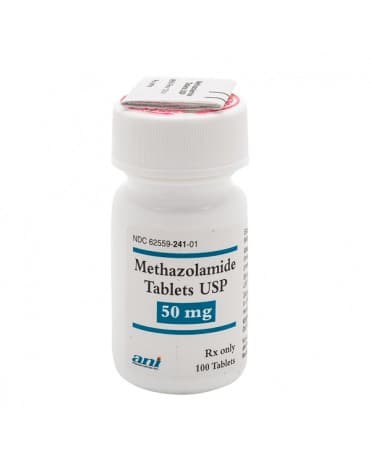
Xalatan latanoprost 0.005 ophthalmic solution
Xalatan (latanoprost) is widely regarded as a first-line topical prostaglandin analogue for acute intraocular pressure (IOP) lowering in dogs because of its rapid onset and strong IOP-reducing effect; its long history and availability as a generic translate into lower cost per dose compared with some newer branded alternatives. Compared with travoprost and bimatoprost, latanoprost often produces faster pressure drops, while it lacks the preservative-free delivery advantage of tafluprost (Zioptan) and the tolerability profile of lower-potency agents like unoprostone (Rescula).
Show More Topical Prostaglandin Analogue Ophthalmic Antiglaucoma Medications for Dogs
Alphagan P 0.15 Ophthalmic Solution
Alphagan P 0.15% is positioned as a potent topical alpha-2 adrenergic agonist for canine glaucoma, offering a higher brimonidine concentration together with a Purite preservative designed to limit ocular surface toxicity. For the specific use case of topical antiglaucoma therapy in dogs it is often preferred for acute or refractory intraocular pressure elevation compared with the 0.1% formulation because of stronger IOP reduction, and though it typically carries a premium versus generic brimonidine it delivers a consistent proprietary formulation that can reduce the need for adjunctive agents.
Show More Topical Alpha Adrenergic Agonist Ophthalmic Antiglaucoma Medications for Dogs
DuoTrav (travoprost-timolol)
DuoTrav brings together a prostaglandin analogue and a beta‑blocker, delivering some of the strongest IOP‑lowering seen in combination therapies and therefore often preferred in more advanced canine glaucoma cases. Its travoprost formulation and preservative system are positioned as a technical advantage for ocular tolerability compared with older prostaglandin combinations, but that premium positioning typically comes with higher acquisition cost versus generic prostaglandin/beta combos like Xalacom.
Show More Combination Antiglaucoma Ophthalmic Therapies for Dogs![Buy Duotrav® [Travoprost, Timolol]](/_next/image?url=https%3A%2F%2Fpillbuys.com%2F23739-large_default%2Fduotrav-travoprost-timolol-.jpg&w=3840&q=75)
What the Research and Clinical Experience Say About Antiglaucoma Therapies
Clinical studies and veterinary practice data support the use of topical beta blockers (for example timolol), carbonic anhydrase inhibitors (for example dorzolamide), prostaglandin analogues (for example latanoprost when appropriate), and systemic agents in specific emergency or refractory cases. Research shows that single agents can significantly lower IOP in many canine patients, while combination therapies often produce greater and more sustained reductions. Evidence also emphasizes that response varies by glaucoma type and individual patient, and that early diagnosis plus consistent administration improves outcomes. Safety profiles, contraindications, and potential systemic absorption are well documented, reinforcing the need for veterinarian prescription and monitoring.
Mechanisms: Beta blockers reduce aqueous humor production; carbonic anhydrase inhibitors decrease fluid formation; prostaglandin analogues increase uveoscleral outflow in many glaucoma types.
Efficacy: Clinical reports and trials indicate common IOP reductions ranging from moderate to substantial depending on drug class, combination use, and disease stage.
Combination therapy: Studies and clinical practice support using combinations (for example dorzolamide-timolol) to achieve stronger, more consistent IOP control and reduce dosing complexity.
Safety: Topical agents can have local side effects (eye irritation) and some systemic effects (bradycardia with beta blockers); prostaglandins may be contraindicated in certain inflammatory eye diseases.
Monitoring: Regular IOP checks and ophthalmic exams are critical; treatment plans are adjusted based on response and side effects.
Canadian context: Research-backed treatments are available through licensed Canadian veterinary pharmacies, and provincial prescribing regulations require an established veterinary-client-patient relationship.
Frequently Asked Questions
Which antiglaucoma med is best for airway-sensitive dogs?
Betoptic S 0.25% Ophthalmic Suspension (betaxolol 0.25% suspension) is beta‑1 selective and aimed at reducing bronchoconstriction risk in airway‑sensitive dogs, with an average rating of 4.2.
Does Azopt 1% reduce eye pressure and how?
Azopt (Brinzolamide) 1% Ophthalmic Suspension reduces aqueous humour production via carbonic anhydrase inhibition; it’s a suspension that requires shaking before use and has an average rating of 4.3.
How does Neptazane compare for value versus generics?
Neptazane 50mg Tablets (brand methazolamide) is described as costing more but offering consistent manufacturing standards and predictable pharmacology for systemic reduction of IOP, with an average rating of 4.4.
Is Betoptic S different from timolol for dogs?
Betoptic S 0.25% Ophthalmic Suspension uses a beta‑1 selective betaxolol suspension formulation, and the notes say it’s often used when timolol is contraindicated; it has an average rating of 4.2.
Conclusion
In Canada, prescription antiglaucoma medications for dogs remain a cornerstone of preserving vision and comfort in affected pets. We hope this guide helped you understand the common drug classes, why veterinarians prescribe them, and what Canadian owners prioritize in 2025. If you did not find exactly what you need, refine or expand your search using the search box to compare specific products, provincial availability, or ask your veterinarian for a personalized recommendation.