

Top 5 Biological Ceramic Rings for Reptile & Amphibian Filters in Canada (2025): An Expert Guide to High-Porosity Bio Media
Porous ceramic rings provide extensive internal surface area where beneficial nitrifying bacteria can colonize, improving the biological filtration that breaks down ammonia and nitrite in reptile and amphibian enclosures. This category includes engineered high-porosity ceramics and sintered glass alternatives designed for stable, long-term biofiltration. Canadian hobbyists and professional keepers favor these media for predictable nitrification, material durability in varied home climates, compatibility with common filter housings, and straightforward maintenance. Buyers typically prioritize pore structure (macro versus micro-porosity), low particulate dust, chemical neutrality, and availability through local or national suppliers in Canada. Practical considerations such as ease of rinsing, suitability for wet-dry or submerged filters, and life span under typical stocking and feeding regimes also shape consumer preferences.
Inception's AI took the time to understand this market in Canada · · How we pickWe may earn a commission on purchases. It never affects our rankings.
Top Picks Summary
Fluval BioMax Ceramic Rings
Fluval BioMax ceramic rings are a widely adopted, high-surface-area bio-media optimized for nitrifying bacteria in reptile and amphibian filters. Its balance of porosity, broad availability and lower cost makes it a best-in-class choice for hobbyists who need reliable ammonia and nitrite control, offering a more economical and broadly compatible option than the deeper-porosity but pricier Seachem Matrix. Compared with cartridge-style products like Marina Bio-Carb or AquaClear inserts, Fluval's loose rings provide greater flexibility and surface area per dollar, though they lack the compact convenience of a pre-formed insert.

We may earn a commission on purchases. It never affects our rankings.
$29.99CAD
Seachem Matrix Bio Media
Seachem Matrix is the market leader for biological media thanks to its highly porous, sintered-glass structure that supports both aerobic nitrification and anaerobic denitrification—particularly useful in low-flow reptile and amphibian systems that need complete nitrogen cycling. It commands a premium price compared with Fluval BioMax rings but delivers longer service life and deeper pore architecture for denitrification that many ceramic rings cannot match. Unlike cartridge blends such as Marina Bio-Carb or AquaClear BioMax inserts, Matrix is strictly biological and outperforms fine-grained options like Eheim Substrat Pro in long-term nitrate reduction.

Marina Bio-Carb Ceramic Cartridge
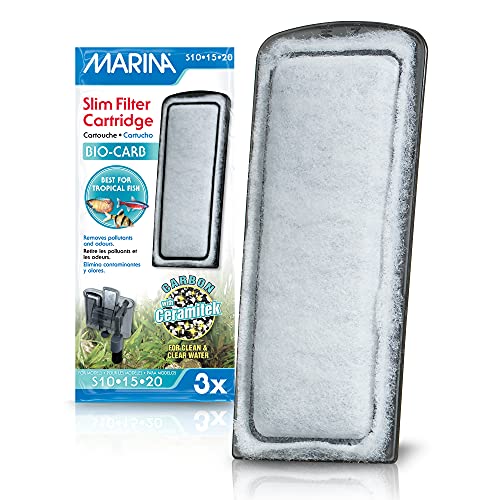
Marina Bio-Carb is an all-in-one cartridge that pairs ceramic bio-media with activated carbon, designed for quick swaps in the small filters commonly used in terrariums and paludariums. It is the most budget-friendly and user-friendly option on the list, trading some raw surface area and long-term denitrifying capacity found in Seachem Matrix or Eheim Substrat Pro for odor control and convenience. For reptile and amphibian keepers who prioritize easy maintenance and immediate water clarity over maximum biological capacity, Marina provides clear financial and practical advantages.
Eheim Substrat Pro Biological Filter Media
Eheim Substrat Pro is a technically advanced granular biological media engineered to provide very high surface area in a compact grain size, accelerating colonization of beneficial bacteria in small or low-flow reptile/amphibian filters. It occupies a middle ground between the loose ceramic rings of Fluval and the deep porosity of Seachem Matrix, delivering fast-start biological performance with better packing efficiency, although it typically costs more than bulk ceramic rings. Compared with cartridge formats like AquaClear or Marina, Substrat Pro is more efficient per volume but requires appropriate flow and occasional maintenance to prevent compaction.

We may earn a commission on purchases. It never affects our rankings.
$24.81CAD
AquaClear BioMax Filter Insert
AquaClear BioMax Filter Insert packages ceramic BioMax media into a ready-to-install cartridge tailored for AquaClear hang-on-back filters and small terrarium systems, giving hobbyists a compact, space-saving biological solution. It sacrifices some maximum surface-area-per-volume found in loose media like Fluval rings or Seachem Matrix in exchange for plug-and-play convenience and reduced setup time, making it a cost-effective retail option for reptile and amphibian keepers who prefer turnkey media. Compared to Marina's Bio-Carb, AquaClear focuses more on biological surface area than chemical filtration, though both prioritize simple replacement over bulk media optimization.

Estimated$10 – $25
What Research and Practical Tests Say About Porous Bio Media
Research from aquaculture and environmental microbiology fields supports the core benefits of porous bio media: increased surface area and stable pore structure favor the growth of nitrifying bacteria that convert toxic ammonia to less harmful nitrate. Laboratory and field studies, together with controlled hobbyist trials, show that media design matters — accessible pore networks, oxygen diffusion, and material stability influence how quickly and how well a colony establishes and endures. For beginners, the takeaway is that properly sized, well-maintained ceramic or sintered glass media can significantly reduce ammonia and nitrite spikes and make water quality more stable for sensitive reptiles and amphibians.
Surface area and accessible porosity are primary drivers of nitrifying bacterial load; more surface area generally supports a larger, more resilient colony.
Material stability matters: inert ceramics and sintered glass resist chemical breakdown and leaching, helping maintain consistent water chemistry over time.
Pore size distribution affects oxygen diffusion and biofilm thickness; balanced macro- and micro-porosity help maintain aerobic nitrification without clogging quickly.
Comparative trials show engineered ceramics and sintered glass can perform similarly over the long term when matched for surface area and hydraulic conditions.
Operational factors such as temperature, ammonia load, and cleaning regimen impact performance — relevant to Canadian keepers who may see seasonal temperature variation.
Best practice from both research and hobbyist experience: establish media slowly, avoid aggressive cleaning that strips biofilms, and match media size to filter flow to prevent channeling.
Frequently Asked Questions
Which bio ring should I choose for reptile filters?
Choose Seachem Matrix Bio Media if you want both aerobic nitrification and anaerobic denitrification in low-flow reptile and amphibian systems; it uses a highly porous, sintered-glass structure with an average rating of 4.7.
What spec helps bacteria colonize Fluval BioMax rings?
Fluval BioMax Ceramic Rings use porous ceramic rings that provide very high surface area for beneficial bacteria colonization, supporting efficient biological filtration; average rating is 4.4.
Is Seachem Matrix Bio Media better value than Marina Bio-Carb?
Seachem Matrix Bio Media costs $18.32 CADwith an average rating of 4.7, while Marina Bio-Carb Ceramic Cartridge costs $6.97 CADwith a 4.0 rating and includes activated carbon plus ceramic bio-media in one cartridge.
Does Marina Bio-Carb cartridge fit small terrarium filters?
Marina Bio-Carb Ceramic Cartridge is a pre-shaped cartridge form designed to fit Marina and similar filter cartridges for quick swaps in smaller terrariums and paludariums; it has an average rating of 4.0.
Conclusion
In the Canadian context, porous ceramic rings and sintered alternatives are reliable choices for maintaining stable water quality in reptile and amphibian enclosures. The five main options covered here — Fluval BioMax Ceramic Rings, Seachem Matrix Bio Media, Marina Bio-Carb Ceramic Cartridge, Eheim Substrat Pro Biological Filter Media, and AquaClear BioMax Filter Insert — each suit different filter styles and keeper priorities. For most Canadian hobbyists seeking a balance of high porosity, long-term stability, and broad compatibility, Seachem Matrix Bio Media stands out as the best overall choice because of its proven porous structure and versatile use across filter types. We hope you found what you were looking for; you can refine or expand your search using the site search or by adjusting filter type, enclosure size, and maintenance preferences.