

Top 5 Biogas Digesters and Nutrient Recycling Units in Canada for 2025 — Expert Guide to Modular, Remote-Monitored Systems That Turn Manure into Energy, Heat and Fertilizer
Anaerobic digesters, combined heat and power systems, and nutrient recovery units convert manure and organic waste into renewable biogas, on-farm heat and power, and concentrated fertilizers. In Canada the category is gaining traction because it addresses multiple farmer priorities at once: lowering energy costs, improving manure management, meeting regulatory and nutrient-registry requirements, generating new revenue through carbon credits or renewable energy programs, and producing usable fertilizer substitutes. Consumer preferences in this market skew toward smaller, modular systems that fit medium and small farms, remote monitoring and automation to reduce labor and technical risk, and solutions that integrate easily with on-farm energy programs and provincial incentive schemes. Practical buyers look for predictable uptime, clear maintenance plans, local service networks or remote support, and demonstrable nutrient recovery performance so the digestate or recovered struvite has market or on-farm value.
Inception's AI took the time to understand this market in Canada · · How we pickWe may earn a commission on purchases. It never affects our rankings.
Top Picks Summary
PlanET Biogas AD Series
PlanET Biogas AD Series is positioned as a best-in-class modular anaerobic digestion platform for farms and industrial sites, valued for its proven full-plant solutions and flexible feedstock handling that support both high biogas yields and integrated nutrient recycling. Compared with smaller or more specialized units on this list, PlanET offers broader turnkey services and scale economies that can reduce per-unit capital and operational costs for larger projects while still interoperating with nutrient recovery add-ons.

Estimated$250,000 – $1,500,000
Cornerstone CSTR Digester System
The Cornerstone CSTR Digester System is a market-leading continuous stirred-tank design known for dependable mixing, simple controls and predictable performance that lowers O&M risk for medium-scale operations. Financially it often delivers a faster payback than bespoke large-scale plants because of lower upfront civil works and modular expansion options, making it a cost-effective alternative to the larger turnkey suppliers on the list when steady throughput and straightforward nutrient recycling are priorities.

Estimated$500,000 – $3,000,000
BioFerm EUCOlino
BioFerm EUCOlino is a compact, containerized digester aimed at small farms and decentralized nutrient recycling projects, offering rapid deployment and a footprint optimized for limited sites. Technically it trades raw capacity for fast installation and lower capex compared with full-scale systems like PlanET or Regenis, making it a strong financial choice where quick, low-risk nutrient recovery and local energy generation are required.

Estimated$40,000 – $180,000
Regenis RCM Digester
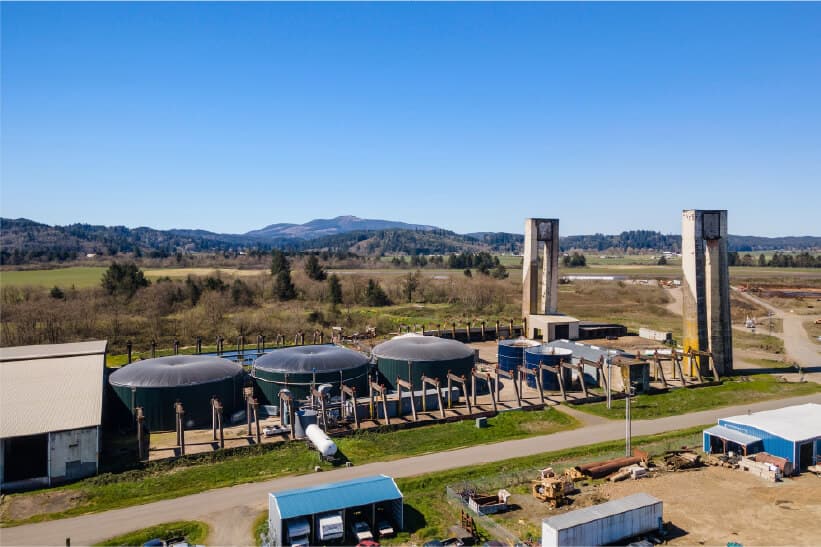
Regenis RCM Digester stands out for integrating advanced process control and downstream nutrient recovery modules, delivering high-quality digestate and stronger nutrient valorization for industrial and municipal applications. Although its upfront costs tend to be higher than simpler compact units, Regenis often yields superior long-term returns through increased biogas production efficiency and marketable nutrient byproducts that outcompete more basic digester offerings on this list.
Estimated$60,000 – $600,000
HoSt Microferm Compact Digester
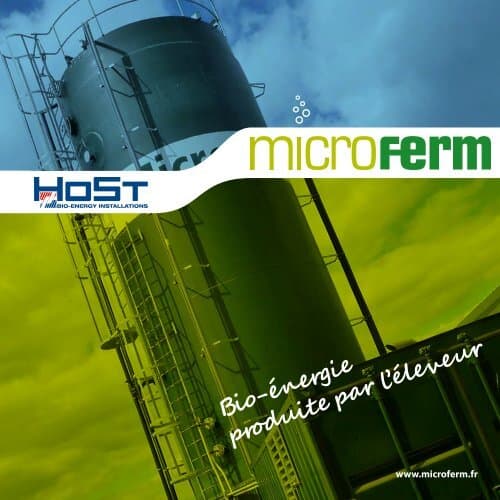
HoSt Microferm Compact Digester is a plug-and-play micro-AD solution focused on ease of use, minimal footprint and low maintenance for small farms and on-site recycling needs. It typically offers the lowest capital and operating complexity among the listed products, making it financially attractive for operators who prioritize rapid nutrient recycling and simple biogas recovery over the higher capacity or advanced nutrient-extraction features provided by larger systems.
Estimated$25,000 – $250,000
What Research and Field Data Say About Anaerobic Digestion and Nutrient Recovery
Peer-reviewed studies and government reports, including work from Canadian agricultural research institutions and international journals, consistently show that anaerobic digestion can substantially reduce methane emissions from manure storage, produce a usable renewable gas stream for heat and electricity, and concentrate nutrients into more transportable fertilizer products. Life-cycle assessments indicate net greenhouse gas reductions when biogas displaces fossil fuel energy or when combined heat and power is used on-site. Nutrient recovery methods such as struvite precipitation or ammonia stripping produce concentrated phosphorus and nitrogen products and reduce nutrient runoff risk. Economic research highlights that outcomes depend on system scale, substrate mix, and local incentives; modular, pre-engineered systems with remote monitoring typically reduce operational uncertainty for smaller farms.
Methane reduction and biogas generation: multiple studies and Canadian extension reports show anaerobic digestion lowers methane emissions from manure storage and produces combustible biogas that can displace propane or grid electricity when used in CHP systems.
Nutrient concentration benefits: nutrient recovery processes (for example struvite precipitation) concentrate phosphorus and reduce the volume and transport cost of fertilizer, improving on-farm nutrient management.
Lifecycle and carbon accounting: life-cycle assessments report net GHG savings when captured biogas offsets fossil fuels and when digestate replaces synthetic fertilizers, supporting participation in carbon credit programs.
Economic and scale effects: academic and extension analyses find payback and profitability are sensitive to scale, substrate mix, capital costs, and available grants; smaller modular systems plus remote monitoring lower barriers for medium and small farms.
Operational reliability: field trials emphasize the value of automation and remote diagnostics to maintain stable digestion, control temperatures and mixing, and reduce downtime.
Policy and program impacts: provincial incentive programs, renewable energy tariffs and carbon markets in Canada materially improve the business case for digesters and nutrient recovery units.
Frequently Asked Questions
Which digester is best for modular nutrient recycling?
PlanET Biogas AD Series is the modular anaerobic digestion platform with integrated nutrient recycling, plus modular, containerized design for phased capacity expansion and CHP compatibility; it has an average rating of 4.3.
What spec matters for reliable continuous biogas production?
Cornerstone CSTR Digester System uses uniform mixing and temperature control for high-solids and slurry feedstocks, engineered for reliable continuous operation and high biogas yields; it has an average rating of 3.9.
How does BioFerm EUCOlino pricing compare for small farms?
BioFerm EUCOlino is described as having lower capex than larger custom plants, trading raw capacity for fast installation and a compact footprint optimized for limited sites; it has an average rating of 4.2.
Is Cornerstone CSTR compatible with remote monitoring systems?
Cornerstone CSTR Digester System includes customizable capacity and advanced monitoring systems for precise process control, supporting continuous operation; it has an average rating of 3.9, and a warranty duration is not provided in the data.
Conclusion
In the Canadian context for 2025, the five systems listed here — PlanET Biogas AD Series, Cornerstone CSTR Digester System, BioFerm EUCOlino, Regenis RCM Digester, and HoSt Microferm Compact Digester — represent the range from farm-scale modular units to larger continuous stirred tank reactors and integrated nutrient recovery options. For most Canadian farms seeking a proven balance of scalability, field track record, and integration with on-farm energy programs, the PlanET Biogas AD Series is a strong overall choice. Cornerstone CSTR Digester System and Regenis RCM Digester are attractive where continuous stirred operations and higher throughput are needed; BioFerm EUCOlino and HoSt Microferm Compact Digester are well suited to smaller or modular installations. I hope you found what you were looking for — refine or expand your search using the site search to compare performance data, provincial incentives, or installation partners and get recommendations tailored to your province and farm size.