

Top 5 Shoulder CPM Devices in Canada for 2025 — Best Picks for Postoperative Recovery
Devices designed to provide controlled passive movement for the shoulder to support postoperative recovery, reduce stiffness, and improve mobility. Commonly used in orthopedic and sports rehabilitation to speed recovery after rotator cuff repair, shoulder arthroscopy, or other shoulder surgeries, shoulder Continuous Passive Motion (CPM) systems move the joint through a preset range of motion without active patient effort. Consumers in Canada favor CPM devices that combine easy setup, precise range-of-motion control, patient comfort, reliable clinical performance, and clear follow-up support from suppliers or clinics. Price and rental options are also important: many patients prefer short-term rentals for early rehab phases while others choose to buy for extended recovery or clinic use. Because Canadian demand spans hospitals, outpatient clinics, and home care, products that balance portability, robust warranty/service, and compatibility with established physiotherapy protocols tend to be the most appealing.
Inception's AI took the time to understand this market in Canada · · How we pickWe may earn a commission on purchases. It never affects our rankings.
Top Picks Summary
Kinetec Centura Shoulder CPM
Kinetec Centura Shoulder CPM is positioned as the market-leading hospital-grade device thanks to a robust motor, wide adjustable range of motion, and extensive programmable protocols that support complex post‑operative regimens. Compared with the other units in this list it emphasizes long-term reliability and a wide service network, which reduces total cost of ownership for large clinics despite a higher upfront price. Its technical durability and proven clinical track record make it the go-to choice for high-volume orthopedic centers needing consistent performance.
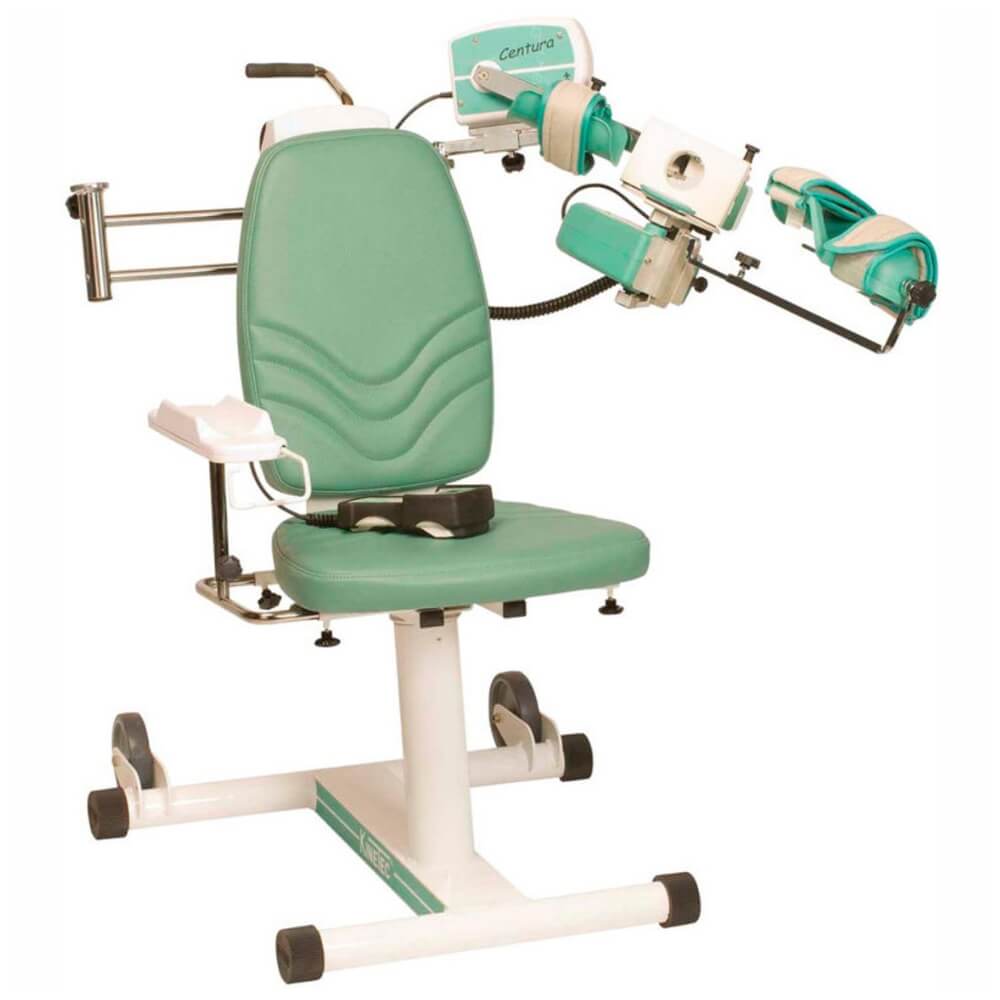
Estimated$5,000 – $8,000
OptiFlex Shoulder CPM
OptiFlex Shoulder CPM is best-in-class for home and outpatient rehabilitation, offering a lightweight, portable chassis and an intuitive user interface that speeds patient setup and adherence. Financially it undercuts hospital-grade alternatives by offering lower purchase and maintenance costs, while still delivering clinically meaningful ROM progression—trading off some industrial durability found in larger systems. OptiFlex is therefore particularly attractive for rental programs and private-therapy clinics focused on maximizing utilization per dollar spent.

Estimated$2,000 – $4,000
Artromot S3 Comfort
Artromot S3 Comfort emphasizes German-engineered precision and patient comfort with very quiet operation, finely graded range-of-motion steps, and safety-focused limit sensing. Technically it outperforms many mid-market devices on control accuracy and ergonomics, though it typically commands a premium compared with simple, value-oriented models like Danniflex. For surgical centers and rehab facilities that prioritize precision dosing of motion and superior patient experience, the S3 Comfort represents a higher-cost but clinically focused option.
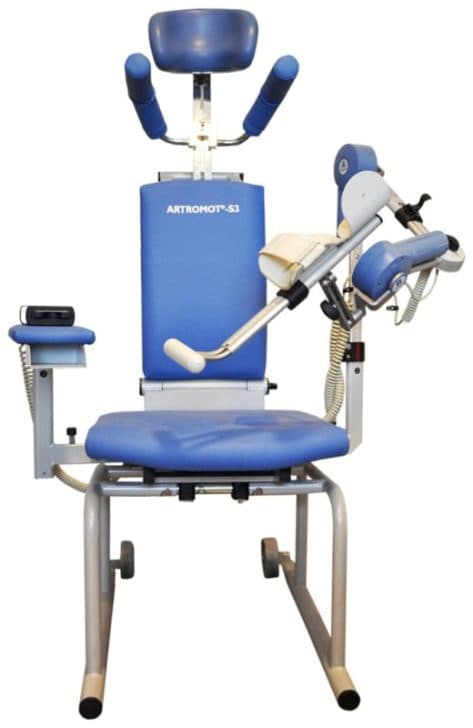
Estimated$7,000 – $11,000
Danniflex Shoulder CPM
Danniflex Shoulder CPM offers a pragmatic, value-oriented approach: a straightforward, durable mechanism with essential programmable modes designed for high-volume rental fleets and budget-conscious providers. It is usually the most cost-effective choice on purchase or bulk-rental terms, sacrificing some advanced programmability and refinement present in products like Artromot and Kinetec. For organizations where capital discipline and simple, repeatable performance matter most, Danniflex delivers the lowest acquisition and operating cost per patient.
Estimated$1,500 – $3,000
Prima Advance Shoulder CPM
Prima Advance Shoulder CPM targets the mid-market by combining modular upgrade options, user-friendly protocol templates, and a competitive price point that bridges premium precision and cost-effective portability. It provides better customization than basic models like Danniflex while remaining more affordable than top-tier hospital units, making it a versatile financial and technical compromise for private clinics. Prima Advance is well-suited to practices wanting scalable functionality without the capital outlay of a market-leader system.
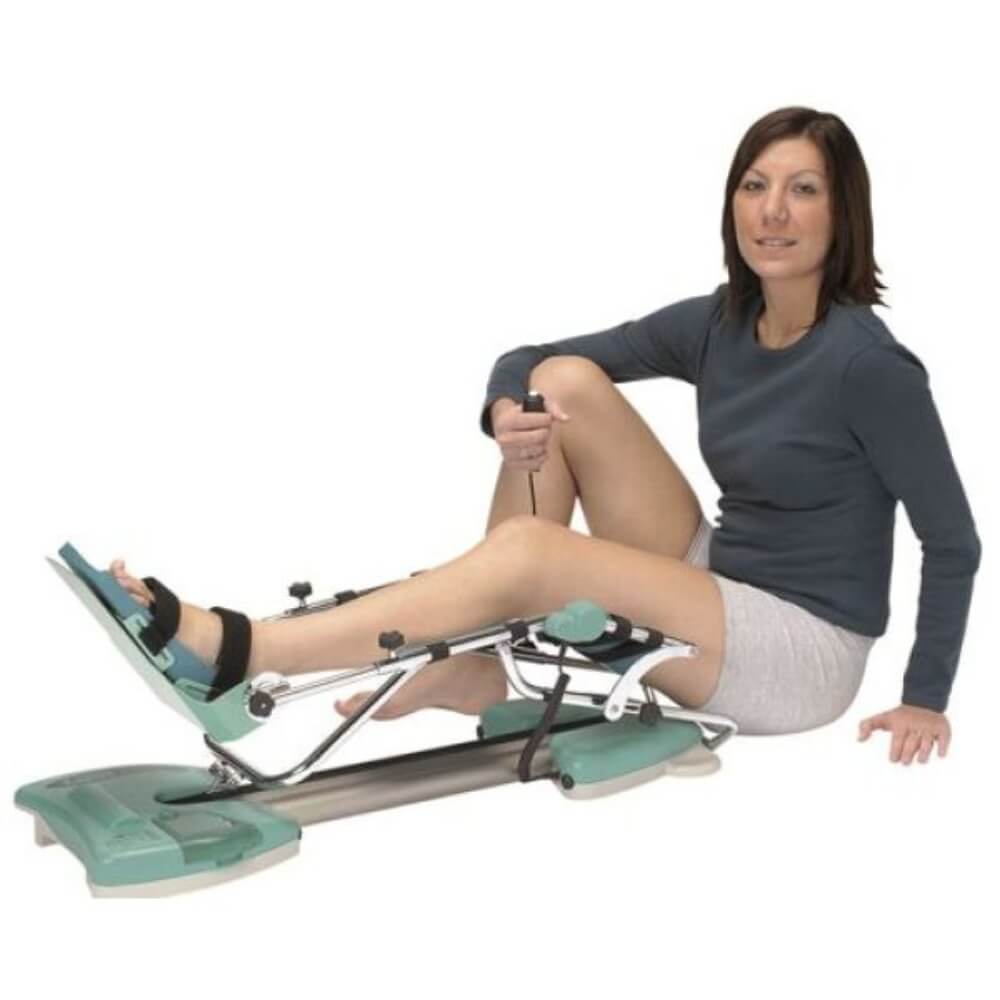
Estimated$3,000 – $6,000
Research and Clinical Evidence Behind Shoulder CPM
Scientific literature and clinical experience show that CPM can offer useful benefits during the early postoperative period for certain shoulder procedures. Evidence indicates CPM may accelerate early gains in passive range of motion, reduce early joint stiffness, and help manage pain and swelling when used as part of a broader rehab plan. At the same time, long-term functional advantages are less consistent across studies, so CPM is best viewed as a complementary tool to supervised physiotherapy rather than a standalone cure.
Randomized trials and clinical reports commonly show faster early passive range-of-motion recovery when CPM is started soon after surgery.
Systematic reviews describe modest short-term improvements in stiffness and pain; long-term differences are often small or not significant.
Benefits are typically greater when CPM is combined with guided physiotherapy and adherence to a postoperative protocol.
CPM can support tissue healing by promoting joint fluid circulation and gentle, controlled motion without stressing repaired structures.
CPM is not a universal requirement for every shoulder surgery; surgeons tailor recommendations based on procedure type, repair integrity, and patient factors.
Frequently Asked Questions
Which shoulder CPM device should I buy for home?
OptiFlex Shoulder CPM is the best fit for home and outpatient rehabilitation because it has a lightweight, portable design plus user-friendly programmable cycle length and ROM limits.
Does Artromot S3 Comfort offer precise range-of-motion control?
Yes—Artromot S3 Comfort uses a high-precision, smooth-drive motor with fine micro-adjustments for gentle motion, and it’s rated 4.4.
How does OptiFlex Shoulder CPM value compare to hospital units?
The provided info says OptiFlex Shoulder CPM undercuts hospital-grade alternatives with lower purchase and maintenance costs, and it’s rated 4.0.
What warranty comes with Kinetec Centura Shoulder CPM?
The provided product details for Kinetec Centura Shoulder CPM (rated 4.2) don’t include any warranty duration, so warranty length isn’t stated here.
Conclusion
In Canada the five leading shoulder CPM options for 2025 offer a mix of clinical performance, comfort, and practical features: Kinetec Centura Shoulder CPM, OptiFlex Shoulder CPM, Artromot S3 Comfort, Danniflex Shoulder CPM, and Prima Advance Shoulder CPM. For most Canadian buyers looking for a balance of clinical reputation, adjustable settings, and broad support, the Kinetec Centura Shoulder CPM stands out as the best choice among these five. We hope you found what you were looking for — you can refine or expand your search using the site search to compare features, rental options, or local suppliers.