

Top 6 Clinician-Recommended Anesthetic and Sedation Medications for Dogs in Canada — 2025 Evidence-Based Veterinary Guide
This category covers prescription general anesthetics, sedatives, premedications, reversal agents, and perioperative analgesics used for surgical and diagnostic procedures in dogs across Canada in 2025. It focuses on practical anesthetic protocols, up-to-date monitoring standards, multimodal perioperative pain control, and safety precautions tailored to Canadian prescribing and regulatory environments. Pet owners and veterinary professionals find this category appealing because it combines clinician-reviewed options, Canada-specific availability and approvals, transparent information on risks and benefits, and guidance on how choices are matched to procedure risk, patient size, age, and comorbidities. The content emphasizes evidence-based selection, clear comparisons between agents (for induction, maintenance, sedation, and reversal), and actionable monitoring and safety checklists that reduce perioperative complications and improve recovery experiences for dogs and their caregivers.
Inception's AI took the time to understand this market in Canada · · How we pickWe may earn a commission on purchases. It never affects our rankings.
Top Picks Summary
Forane is positioned as a market-leading isoflurane formulation for canine anesthesia because of its broad availability, long clinical track record, and favorable cost-per-case compared with newer agents. For routine dog procedures it provides reliable hemodynamic stability and a balance of induction and recovery speed that veterinarians accept as a pragmatic alternative to faster but more expensive agents like sevoflurane and desflurane.
Show More Inhalant Anesthetics for Dogs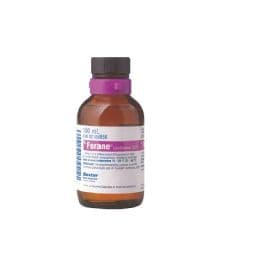
Propoflo 28 Injection 10mg/mL
Propoflo 28 is a veterinary-grade propofol formulation optimized for canine induction and labeled for extended multidose use (up to 28 days), giving it a clear operational and economic advantage for high-volume clinics. Technically equivalent in induction characteristics to other propofol products, its preservative-enabled multiuse labeling reduces waste and overall per-procedure cost compared with single-use generics and makes it a practical market leader for busy practices compared with alternatives like ketamine or alfaxalone.
Show More Injectable Induction Anesthetics for Dogs
Alfaxan Multidose Injectable 10 mg/mL (Jurox)
Alfaxan (alfaxalone) is positioned as a veterinary-focused TIVA hypnotic that delivers reliable anesthesia with comparatively better cardiovascular stability for many canine patients, making it valuable for compromised or geriatric dogs. Compared with propofol, Alfaxan can be slightly more expensive but offers the technical advantage of preservation of blood pressure in sensitive patients and a veterinary multidose presentation, while still lacking inherent analgesia so it is often combined with opioids or ketamine for balanced TIVA.
Show More Total Intravenous Anesthesia (TIVA) Agents for Dogs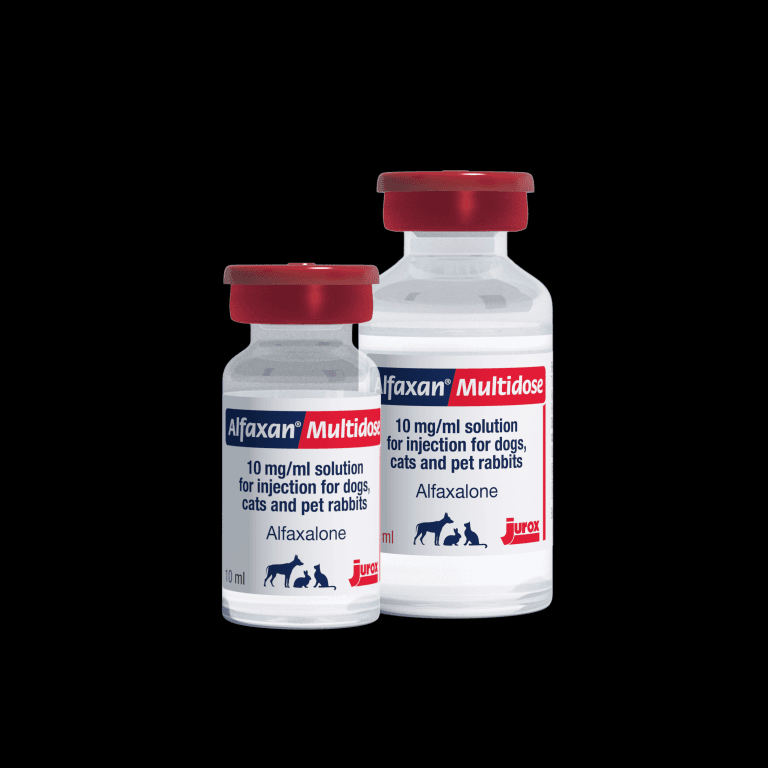
Lidocaine 2% is the market-leading rapid-onset local anesthetic used in canine practice for short procedures and as an intraoperative adjunct because of its quick onset, reliable block, and very low cost. Financially and logistically it outcompetes longer-acting agents such as bupivacaine and ropivacaine for routine, brief interventions and is widely available as an inexpensive generic, although its much shorter duration means it often needs repeat administration or combination with longer-acting agents for extended analgesia.
Show More Sedatives and Tranquilizers for Dogs
Naloxone Injection USP is a low-cost, generic opioid antagonist widely used to reverse opioid-induced sedation and respiratory depression in dogs and is prized for flexible IV/IM/SC administration in clinical settings. Compared with branded intranasal formulations it is generally less expensive per dose and more versatile for monitored veterinary use, though it lacks the noninvasive administration advantage of nasal sprays used in field or owner-administered rescues.
Show More Local and Regional Anesthetics for Dogs
Zemuron stands out for rapid onset and reliable intubating conditions in dogs, making it the go-to when fast sequence induction is needed; its aminosteroid chemistry allows rapid, dose-dependent blockade. Financially and technically, Zemuron commands a higher unit cost than older agents but pairs uniquely with sugammadex (Bridion) for swift, pharmacologic reversal, which can shorten recovery times and reduce ventilation-associated costs compared with agents lacking a specific reversal.
Show More Anesthetic Reversal Agents for Dogs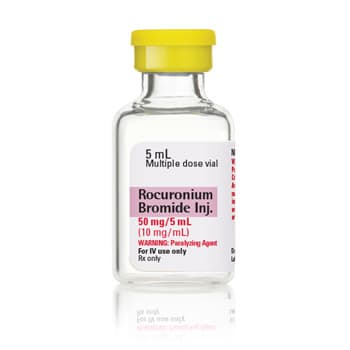
What the Research Says: Safety and Efficacy of Canine Anesthetics and Sedatives
A growing body of peer-reviewed research and veterinary association guidelines supports the use of balanced, multimodal anesthetic protocols and vigilant monitoring to minimize complications in canine patients. Trials and systematic reviews compare induction and maintenance agents (for example, propofol, alfaxalone, sevoflurane, isoflurane), evaluate sedative protocols that include alpha-2 agonists and benzodiazepines, and examine perioperative opioid and non-opioid analgesic strategies. Evidence also highlights the effectiveness of specific reversal agents for alpha-2 agonists and benzodiazepines in shortening recovery times and improving cardiovascular stability when used appropriately. Professional guidelines from veterinary anesthesia authorities and Canadian regulatory information emphasize matching drug choice to patient risk, using objective monitoring (pulse oximetry, capnography, blood pressure, temperature), and employing multimodal analgesia to reduce opioid requirements.
Balanced anesthesia reduces cardiovascular and respiratory depression compared with high-dose single-agent protocols — randomized and observational studies support combining injectable induction with inhalant maintenance and adjunct analgesics.
Sevoflurane generally allows faster recoveries and smoother anesthetic depth adjustments than isoflurane in dogs, according to comparative clinical trials, while both remain widely used and approved in Canada.
Propofol and alfaxalone are both effective induction agents; studies report that alfaxalone can provide stable induction and recovery in certain patients, while propofol remains economical and familiar to clinicians.
Alpha-2 agonists (for example, dexmedetomidine) provide reliable sedation and analgesic-sparing effects but require careful cardiovascular monitoring; atipamezole reliably reverses alpha-2 effects when indicated.
Multimodal analgesia (opioids plus NSAIDs plus local/regional techniques) lowers perioperative pain scores and improves early mobility — supported by randomized trials and consensus pain-management guidelines.
Objective monitoring (pulse oximetry, capnography, noninvasive/invasive blood pressure, ECG, temperature) is linked to earlier detection of complications and better outcomes in clinical audits and guideline recommendations.
Canadian regulatory approvals and product monographs, together with national and international anesthesia guidelines, provide the legal and practical framework for safe prescribing and administration in veterinary practice.
Frequently Asked Questions
Which anesthetic is best for high-volume dog clinics?
Propoflo 28 Injection 10mg/mL fits high-volume clinics because it’s a veterinary propofol formulation with an extended 28‑day multidose shelf life under refrigeration and a 4.7 average rating.
What feature helps control depth during longer dog procedures?
AErrane Isoflurane uses moderate blood–gas solubility of about 1.4, which supports predictable depth control during longer procedures; it has a 4.3 average rating.
Is Propoflo 28 better value than Alfaxan Multidose?
The provided data includes Propoflo 28 (10 mg/mL) but does not list prices for Propoflo 28 or Alfaxan Multidose Injectable, so I can’t compare value by cost; Propoflo 28 is rated 4.7.
Which drug is licensed for dogs and supports multidose use?
Alfaxan Multidose Injectable is veterinary-licensed for dogs and uses a multidose, preservative-containing formulation for clinical flexibility; it has a 4.6 average rating.
Conclusion
In the Canadian context, choosing among the top 7 anesthetic and sedation options means balancing procedure needs, patient health, drug availability, and monitoring capabilities. We hope this guide helped you understand the major choices used in 2025 and pointed you toward safer perioperative planning. If you did not find exactly what you were looking for, refine or expand your search terms above to explore specific drugs, protocols, monitoring equipment, or provincial prescribing details.