

Neuromuscular Blocking Agents for Dogs in Canada — 2026 Clinical Guide: Top 5 Options (Nimbex, Tracrium, Zemuron, Quelicin, Bridion) and How to Choose
Neuromuscular blocking agents (NMBAs) for dogs are paralytic drugs used during general anesthesia to facilitate endotracheal intubation, create optimal surgical conditions, and provide controlled muscle relaxation. In veterinary practice these agents are reserved for anesthetized patients and always require concurrent mechanical ventilation and close physiologic monitoring. Canadian clinicians select NMBAs based on predictable onset and duration, ease of reversal, organ-independent clearance for compromised patients, and a low risk of adverse histamine or cardiovascular effects. Market preferences in Canada reflect a balance between clinical performance, availability, and cost: specialty referral hospitals and emergency clinics often prioritize rapid-onset agents that are reliably reversible, while general practices may favor agents with fewer metabolic concerns in older or systemically ill patients.
Inception's AI took the time to understand this market in Canada · · How we pickWe may earn a commission on purchases. It never affects our rankings.
Top Picks Summary
Nimbex cisatracurium besylate
Nimbex is favored as a best-in-class choice for dogs because cisatracurium undergoes Hofmann elimination and plasma ester hydrolysis, providing predictable intermediate-duration neuromuscular blockade that is independent of hepatic or renal function — an advantage over agents that rely on organ clearance. Compared with atracurium it tends to produce less histamine-mediated hypotension, and while it may be pricier than older generics, its predictable recovery profile can reduce perioperative complications and downstream costs in veterinary practice.

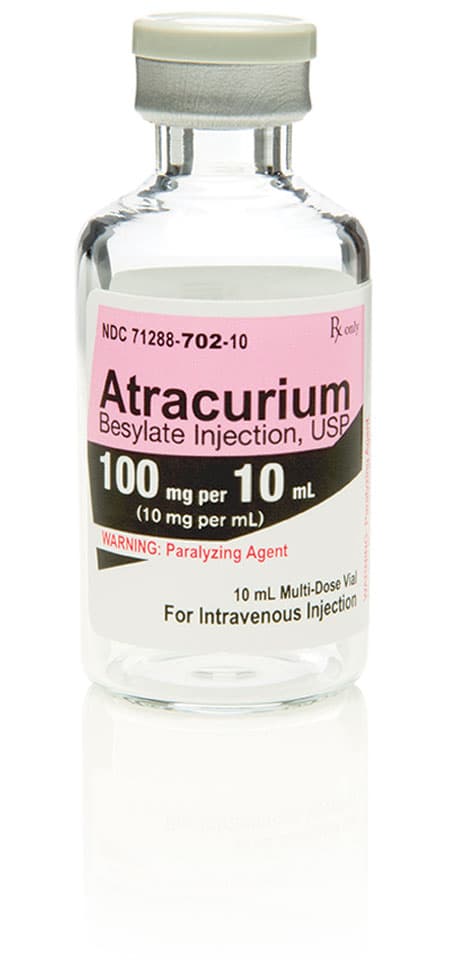
Tracrium (atracurium besylate)
Tracrium is a market-leading, cost-effective intermediate-acting non-depolarizing agent commonly used in canine anesthesia because it also undergoes Hofmann elimination and ester hydrolysis, offering reasonable predictability in dogs with organ impairment. Technically it is similar to cisatracurium but is typically less expensive; however, it has a higher propensity for histamine release and transient hemodynamic effects, making it a trade-off between upfront drug cost and hemodynamic stability.
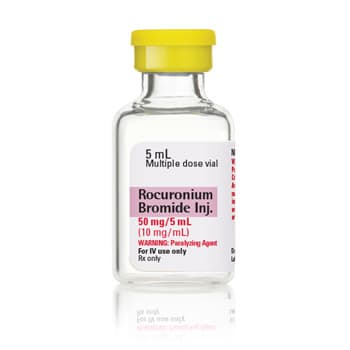
Zemuron (rocuronium bromide)
Zemuron stands out for rapid onset and reliable intubating conditions in dogs, making it the go-to when fast sequence induction is needed; its aminosteroid chemistry allows rapid, dose-dependent blockade. Financially and technically, Zemuron commands a higher unit cost than older agents but pairs uniquely with sugammadex (Bridion) for swift, pharmacologic reversal, which can shorten recovery times and reduce ventilation-associated costs compared with agents lacking a specific reversal.
Quelicin (succinylcholine chloride)
Quelicin is the prototypical depolarizing, ultrashort-acting agent used for rapid intubation in dogs when immediate muscle relaxation is essential; it is inexpensive per dose and produces very rapid onset and brief duration. Its technical limitations — unpredictable hyperkalemic responses in certain patients, risk of fasciculations, and inability to be reversed by agents like sugammadex — make it a niche choice compared with non-depolarizing drugs that offer safer reversal options and more controlled blockade.

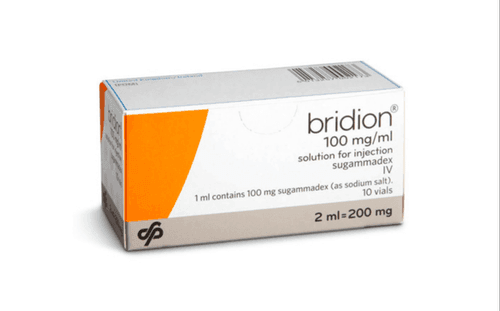
Bridion (sugammadex sodium)
Bridion is a market-leading selective reversal agent that rapidly encapsulates aminosteroid neuromuscular blockers such as rocuronium, enabling prompt recovery of neuromuscular function in dogs and providing a unique safety and workflow advantage over acetylcholinesterase inhibitors. Though Bridion is considerably more expensive up front, its technical ability to reliably and quickly reverse deep blockade (especially after rapid-onset agents like Zemuron) can reduce anesthetic time, mechanical ventilation needs, and potential complication costs in veterinary practice.
What the research says — evidence and practical takeaways
Veterinary anesthesia literature and comparative pharmacology studies provide clear, clinically relevant findings about the five main agents used in canine practice. Research emphasizes safety through appropriate monitoring (peripheral nerve stimulation/TOF, capnography, blood pressure, temperature) and the importance of having reversal strategies available. The evidence base highlights pharmacokinetic differences that guide choice in patients with renal or hepatic dysfunction, the relative speed of onset and offset, and complications associated with depolarizing versus nondepolarizing agents.
Cisatracurium (Nimbex) is favored in patients with renal or hepatic compromise because it undergoes Hofmann elimination and organ-independent degradation, producing predictable recovery without active metabolites.
Atracurium (Tracrium) has a similar organ-independent breakdown but is associated with dose-related histamine release at higher doses; it remains useful where metabolism concerns exist and dosing is controlled.
Rocuronium (Zemuron) provides rapid onset suitable for rapid sequence intubation; it is an aminosteroid that can be effectively and quickly reversed by sugammadex (Bridion), improving recovery profiles in emergencies.
Succinylcholine (Quelicin) is a depolarizing agent with ultra-rapid onset and short duration but carries risks such as hyperkalemia, myalgia, and malignant hyperthermia susceptibility; its use in veterinary patients is increasingly selective.
Sugammadex (Bridion) offers a targeted mechanism to encapsulate and inactivate aminosteroid blockers (like rocuronium), producing faster and more complete reversal than traditional anticholinesterases in many clinical scenarios.
Multiple studies stress that neuromuscular blockade should only be used when mechanical ventilation and neuromuscular function monitoring (train-of-four) are available, and when personnel are trained in recognition and management of residual blockade.
Frequently Asked Questions
Which NMBA is best for dogs with organ dysfunction?
Nimbex (cisatracurium besylate) is favoured because cisatracurium clears via Hofmann elimination and ester hydrolysis, giving predictable recovery in renal or hepatic dysfunction, with an average rating of 4.1.
What makes Zemuron good for rapid-sequence intubation?
Zemuron (rocuronium bromide) has a rapid onset suitable for facilitating rapid-sequence intubation in dogs when a non-depolarizing agent is preferred, and it’s effectively and reliably reversed by sugammadex.
How do Tracrium and Zemuron compare on price value?
Your provided data doesn’t list exact Canadian prices for Tracrium or Zemuron, but it does say Tracrium is commonly available at lower cost while Zemuron commands a higher unit cost than older options.
Does Nimbex work for dogs with hepatic or renal problems?
Yes—Nimbex (cisatracurium besylate) is described as organ-independent, with predictable recovery in renal or hepatic dysfunction, because it undergoes Hofmann elimination and ester hydrolysis; average rating is 4.1.
Conclusion
In the Canadian 2026 clinical context the top options for canine neuromuscular blockade discussed here are Nimbex (cisatracurium besylate), Tracrium (atracurium besylate), Zemuron (rocuronium bromide), Quelicin (succinylcholine chloride), and Bridion (sugammadex sodium). Each has a defined role: Quelicin for ultra-rapid, short procedures with careful selection; Zemuron for rapid sequence intubation with the option of Bridion reversal; Tracrium as an alternative nondepolarizing choice; and Nimbex as the versatile agent preferred in many settings because of its predictable, organ-independent elimination and steady recovery profile. For many Canadian veterinary anesthetists in 2026, Nimbex often represents the best overall choice when balancing safety and consistency, particularly in patients with organ dysfunction. We hope you found the overview helpful — refine or expand your search using the site search to review availability, product monographs, regulatory information, or practice-specific protocols.