

Veterinarian-Reviewed 2026 Guide: Top 5 Injectable Induction Anesthetics for Dogs in Canada — Evidence-Based Choices (Propofol, Alfaxan, Ketamine, Rapinovet, Propoflo)
Intravenous induction agents used for rapid, controlled induction of anesthesia in dogs are chosen for predictable onset, smooth transitions to maintenance, and often superior cardiovascular stability compared with some inhalant-only approaches. This category includes agents such as propofol, alfaxalone formulations, and ketamine-based products, which are commonly used in premedicated patients to achieve fast, smooth inductions and reliable recoveries. Canadian veterinarians and clinics typically choose among these options based on factors such as onset and recovery profiles, cardiovascular and respiratory effects, the need for analgesia, vial format (single vs multidose), shelf life after opening, local availability and pricing, and Health Canada regulatory status. Pet owners and clinicians alike value agents that balance patient safety, recovery quality, and practical considerations for clinic workflows.
Inception's AI took the time to understand this market in Canada · · How we pickWe may earn a commission on purchases. It never affects our rankings.
Top Picks Summary
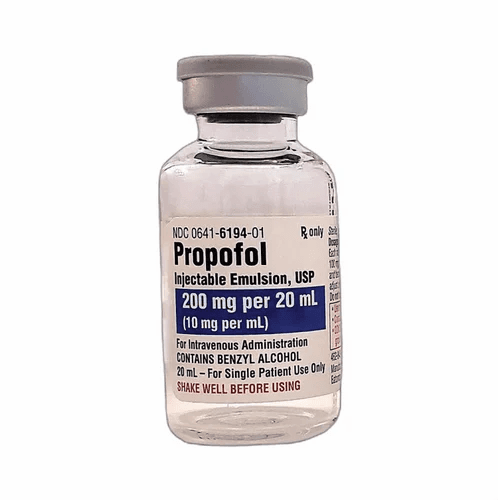
Propofol Injection USP 10mg/mL
A widely used generic propofol formulation, valued in canine induction for its rapid onset and short recovery profile. It holds a best-in-class position for cost-conscious practices because its lower per-vial price and broad availability make it more economical than branded veterinary formulations, although it is typically single-use and therefore can be less convenient than preservative-containing multi-dose products like Propoflo 28 or Alfaxan Multidose.
Alfaxan Multidose 10mg/mL
Alfaxan Multidose (alfaxalone) is a veterinary-specific neurosteroid induction agent prized for cardiovascular stability and smooth recoveries in dogs, making it a market leader for patients where hemodynamic support matters. It competes technically with propofol by offering less hypotension and often calmer recoveries, and financially it can justify a premium price for practices prioritizing patient stability and lower post-op complications compared with cheaper generics or dissociatives like ketamine.

Ketamine Hydrochloride Injection USP 100mg/mL
Ketamine HCl is a low-cost dissociative anesthetic commonly used in canine induction protocols, often combined with benzodiazepines to smooth recoveries. Its financial advantage is strong affordability and multi-purpose utility (induction, analgesia, and restraint), and technically it differs from propofol and alfaxalone by supporting cardiovascular tone and providing analgesia, though it can produce rougher recoveries and more dysphoric phases in some patients.

Rapinovet 10mg/mL
Rapinovet is a veterinary-labeled propofol formulation designed specifically for small animal practice, offering a balance between the low acquisition cost of generics and the clinic-oriented features of branded products. It earns a competitive spot for clinics wanting a vet-focused supplier with likely multidose or practice-support options, positioning it between generic Propofol and premium multiuse options like Propoflo 28 in both price and convenience.

Propoflo 28 Injection 10mg/mL
Propoflo 28 is a veterinary-grade propofol formulation optimized for canine induction and labeled for extended multidose use (up to 28 days), giving it a clear operational and economic advantage for high-volume clinics. Technically equivalent in induction characteristics to other propofol products, its preservative-enabled multiuse labeling reduces waste and overall per-procedure cost compared with single-use generics and makes it a practical market leader for busy practices compared with alternatives like ketamine or alfaxalone.

What the Research and Clinical Practice Say
Clinical studies and veterinary anesthesia literature consistently examine induction agents for onset time, cardiovascular and respiratory effects, recovery quality, and compatibility with premedication and multimodal analgesia. For clinicians and informed pet owners, the key takeaways are straightforward: propofol offers rapid induction and clear recoveries but can depress respiration in high doses; alfaxalone (available in multidose formats) provides good cardiovascular stability and smooth recoveries in many patient groups; ketamine brings dissociative anesthesia with analgesic benefits and is often used in combination regimens; and product formulation, handling, and dosing strategies influence both safety and operational convenience in Canadian clinics.
Propofol: Rapid onset and short recovery make it a standard induction agent; monitoring for dose-dependent respiratory depression is important.
Alfaxalone (e.g., Alfaxan Multidose): Clinical reports and comparative studies highlight cardiovascular stability and smooth recoveries, particularly when used after appropriate sedation/premedication.
Ketamine Hydrochloride: Produces dissociative anesthesia and analgesia, is often combined with sedatives/opioids for balanced induction, and can increase heart rate and blood pressure—useful in hypotensive patients but requiring caution in those with cardiac risk.
Combination strategies: Using lower doses of two agents (for example, ketamine plus a benzodiazepine or opioid plus propofol/alfaxalone) can reduce individual drug side effects and improve induction quality.
Practical clinic factors: Multidose vial formats, storage rules, and post-opening shelf life affect product selection and cost-efficiency in Canadian practices.
Monitoring and training: Research emphasizes that appropriate monitoring (ECG, pulse oximetry, capnography when ventilating, blood pressure) and staff training are as critical to outcomes as the choice of induction agent.
Regulatory context: Health Canada approval and supply chain dynamics influence availability and brand choices across provinces; veterinarians often rely on reputable suppliers and up-to-date formularies.
Frequently Asked Questions
Which injectable induction anesthetic is better for unstable dogs?
Alfaxan Multidose 10mg/mL is often preferred for cardiovascularly unstable patients because it’s described as cardio-stable with smooth recoveries; its listing rates it 4.4 and specifies alfaxalone 10 mg/mL for veterinary use.
How fast does Propofol Injection USP 10mg/mL induce anesthesia?
Propofol Injection USP 10mg/mL provides rapid onset in 30–60 seconds for IV induction, with short duration; it’s rated 4.5 and is listed as 1% propofol (10 mg/mL) for dogs, requiring careful respiratory and cardiovascular monitoring.
Is Ketamine Hydrochloride Injection USP 100mg/mL cheaper than propofol?
The provided data does not include any prices for Ketamine Hydrochloride Injection USP 100mg/mL or Propofol Injection USP 10mg/mL, so I can’t compare cost; it only confirms ketamine is “low-cost” and rates it 4.
What monitoring concerns come with Propofol Injection USP?
Propofol Injection USP 10mg/mL requires careful respiratory and cardiovascular monitoring due to dose-dependent respiratory depression and hypotension; it’s rated 4.5 and is specified as 1% propofol (10 mg/mL) for IV induction with 30–60 second onset.
Conclusion
In the Canadian 2026 context, the five main injectable induction agents covered on this page — Propofol Injection USP 10mg/mL, Alfaxan Multidose 10mg/mL, Ketamine Hydrochloride Injection USP 100mg/mL, Rapinovet 10mg/mL, and Propoflo 28 Injection 10mg/mL — represent the range of practical, evidence-informed options used by veterinarians. For many practices and patient types, Alfaxan Multidose 10mg/mL stands out as a balanced first-line choice because of its cardiovascular stability and generally smooth recoveries, while Propofol Injection USP is often preferred for very rapid, predictable wake-ups. Ketamine Hydrochloride is valuable in analgesic or dissociative combinations, and Rapinovet and Propoflo 28 provide alternative formulations that may suit specific clinic preferences or supply situations. We hope you found the information you were looking for; you can refine or expand your search using the search box to compare dosing guidance, product availability in your province, or compatibility with specific premedication protocols.