

Top 5 Illumination and Lighting Systems for Optical Inspection in Canada — 2026
Specialized lighting solutions for optical inspection combine LED ring lights, coaxial illuminators, darkfield adapters, dome diffusers, and structured light systems to deliver consistent, repeatable results for automated visual inspection and metrology. In Canada, demand is driven by manufacturing automation, semiconductor and electronics assembly, food and pharmaceutical quality control, and the growing adoption of Industry 4.0 practices. Buyers value energy efficiency, long life, predictable thermal behavior, easy integration with cameras and software, and reliable local support. Proper illumination improves contrast and edge definition, reduces false rejects, and supports advanced techniques such as 3D profiling and surface inspection. This category emphasizes stable color temperature, high uniformity, modular form factors, and controllability (intensity, strobing, and zonal control) so systems can be tuned for high throughput and traceable measurement.
Inception's AI took the time to understand this market in Canada · · How we pickWe may earn a commission on purchases. It never affects our rankings.
Top Picks Summary
Moritex LED Ring Light MLSR Series
The Moritex LED Ring Light MLSR Series is a compact, high-uniformity ring illuminator designed for high-throughput optical inspection of small to medium fields of view. It earns a best-in-class position for its efficient thermal design, modular diameters and cost-effective price-to-performance for high-density deployments, while offering better small-feature contrast than larger dome solutions and a more affordable alternative to specialized coaxial systems.

Advanced Illumination Diffuse On-Axis Light DL2450
The Diffuse On-Axis Light DL2450 from Advanced Illumination is optimized for inspecting highly reflective and specular surfaces by delivering true on-axis diffuse illumination that minimizes glare and surface hotspots. It stands out technically for its ability to couple uniform light directly along the optical axis—making it superior to standard ring lights for coin, lens and glass inspection—at a premium price justified by fewer rejects and easier setup in demanding inspection lines.
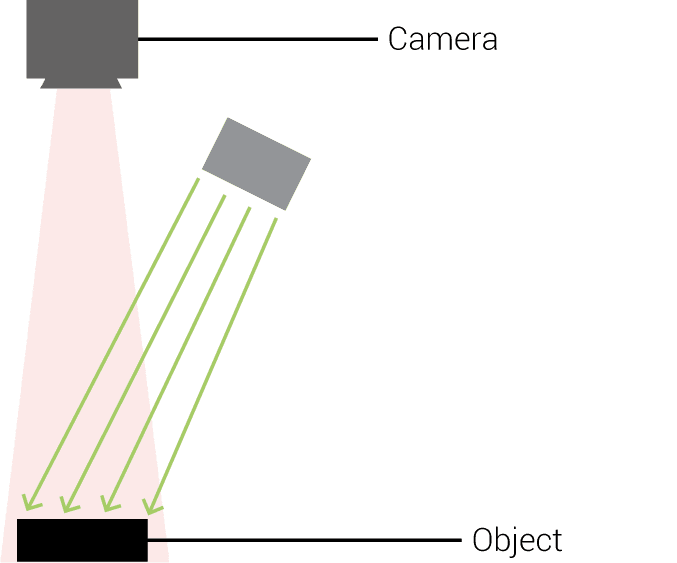
Estimated$800 – $1,500
CCS LDR2 Ring Light Series
The CCS LDR2 Ring Light Series is a practical, budget-conscious ring lighting family tailored to general machine vision inspections where consistent edge and contrast enhancement are required. It holds a market-leader niche for large-scale or cost-sensitive installations because of its lower acquisition and replacement costs compared with premium ring or coaxial units, while delivering adequate uniformity for many PCB, label and part-inspection applications.
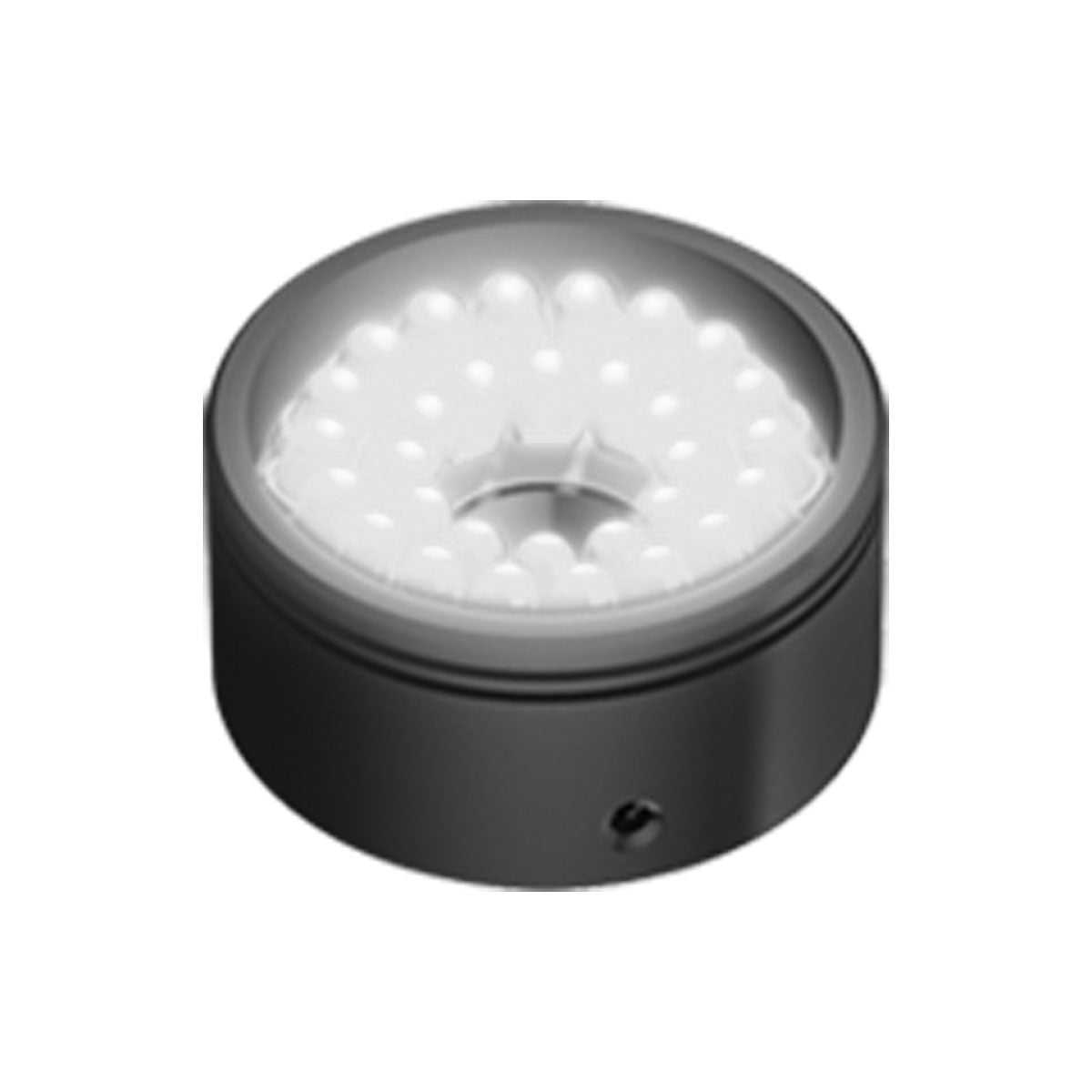
Estimated$300 – $700
Opto Engineering LTCLHP Coaxial LED Illuminator
The LTCLHP Coaxial LED Illuminator from Opto Engineering is a precision-grade coaxial illuminator engineered for high-magnification and microscopy-style optical inspection where glare control and exact alignment are critical. It leads technically through superior optical coupling, high numerical aperture and integration options that outperform diffuse and ring approaches for detecting fine surface defects; the trade-off is a higher upfront cost that is typically justified in metrology and semiconductor inspection environments.
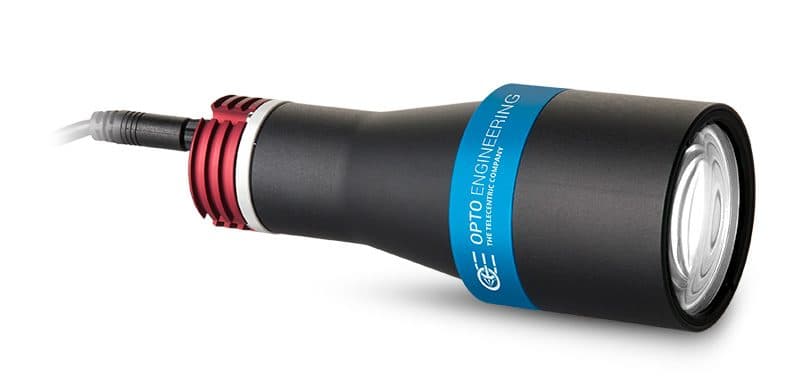
Estimated$1,200 – $3,000
Smart Vision Lights DDL Dome Light
The DDL Dome Light by Smart Vision Lights provides near-ideal, 360-degree diffuse illumination to eliminate shadows and specular highlights on textured or complex three-dimensional parts during optical inspection. It is the preferred choice when absolute uniformity across irregular surfaces is required—outperforming ring and small coaxial lights in eliminating directional artifacts—though it occupies more space and can require greater optical power, making it a strategic but sometimes costlier investment for full-part inspection.

Why lighting matters: evidence and practical takeaways
Scientific research, industrial white papers, and controlled test reports consistently show that illumination is a primary factor in image quality for machine vision. Better lighting improves signal to noise ratio, contrast, and repeatability of measurements. Modern LED systems also reduce heat and energy use compared with older lamps, and their fast electronic control enables high-speed strobing for moving targets. For beginners, the core ideas are: choose the illumination geometry that highlights the defect or feature you need to see, control spectral content and intensity for consistent camera response, and prefer uniform, stable sources to reduce calibration drift.
Geometry matters: On-axis/coaxial lighting is best for specular and reflective surfaces; diffuse and dome lights reduce surface glare for textured or shiny parts.
Uniformity and color stability: Consistent color temperature and spatial uniformity reduce measurement errors and simplify thresholding and machine learning models.
Energy and lifecycle: LEDs offer longer life, lower power draw, and less heat than halogen or xenon, lowering operating cost and reducing thermal impacts on sensitive parts.
Repeatability and throughput: Fast electronic control and strobe capability enable sharper images at high line speeds, improving defect detection without slowing production.
Evidence sources: peer-reviewed imaging studies, manufacturer white papers, and deployment case studies in automotive and electronics industries support these benefits and show measurable gains in detection rates and measurement precision.
Conclusion
In Canada, the right illumination system can be the difference between marginal and reliable inspection performance. The five top choices profiled here cover the main approaches: Moritex LED Ring Light MLSR Series for compact, high-uniformity ring solutions; Advanced Illumination Diffuse On-Axis Light DL2450 for glare-free, co-axial inspections; CCS LDR2 Ring Light Series for configurable ring lighting in tighter budgets; Opto Engineering LTCLHP Coaxial LED Illuminator for precision coaxial illumination and the strongest performance on specular surfaces; and Smart Vision Lights DDL Dome Light for broad-area diffuse illumination and surface inspection. For most precision measurement and reflective-surface applications, the Opto Engineering LTCLHP Coaxial LED Illuminator stands out as the best choice because of its optical performance and integration flexibility. We hope you found what you were looking for; refine or expand your search using the site search if you need different form factors, wavelengths, or integration accessories.