

Top 5 Optical Lenses and Objective Optics in Canada for 2026
Precision lenses, telecentric optics, and microscope objectives optimized for machine vision and laboratory measurement applications in automotive and industrial inspection. These components ensure low distortion, high resolution, and accurate dimensional metrology across diverse imaging setups. In Canada, demand for robust, high-accuracy imaging components is driven by growing automation in manufacturing, expanded automotive and aerospace supply chains, and increasing laboratory investment in advanced materials and semiconductor research. Buyers prioritize optical performance metrics such as modulation transfer function (MTF), numerical aperture (NA), telecentricity, chromatic correction, and mechanical compatibility with common microscope and machine vision mounts. Practical considerations that shape preferences include environmental durability for industrial floors, ease of integration with Canadian machine vision systems and software, supplier support and warranty, and availability of calibration and test data for traceable measurement. This category helps engineers, lab managers, and procurement teams select optics that balance resolution, working distance, and distortion control for repeatable, high-throughput inspection and metrology.
Inception's AI took the time to understand this market in Canada · · How we pickWe may earn a commission on purchases. It never affects our rankings.
Top Picks Summary
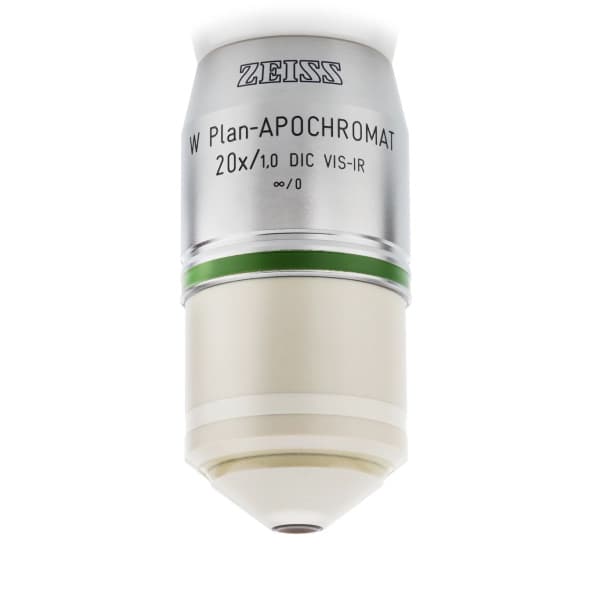
Zeiss Plan-Apochromat 20x/0.8 M27 Objective
The Zeiss Plan-Apochromat 20x/0.8 M27 Objective is presented as a best-in-class research objective thanks to Zeiss's hallmark apochromatic correction and a relatively high 0.8 NA for 20x magnification, delivering exceptional flat-field performance and color fidelity for demanding microscopy. Compared with the higher-magnification Nikon and Olympus 50x options in this list, the Zeiss 20x offers a wider field of view and lower-cost-per-sample imaging while still outclassing general-purpose machine-vision optics (Edmund and Navitar) on resolution and chromatic correction.
We may earn a commission on purchases. It never affects our rankings.
Estimated$1,500 – $2,800
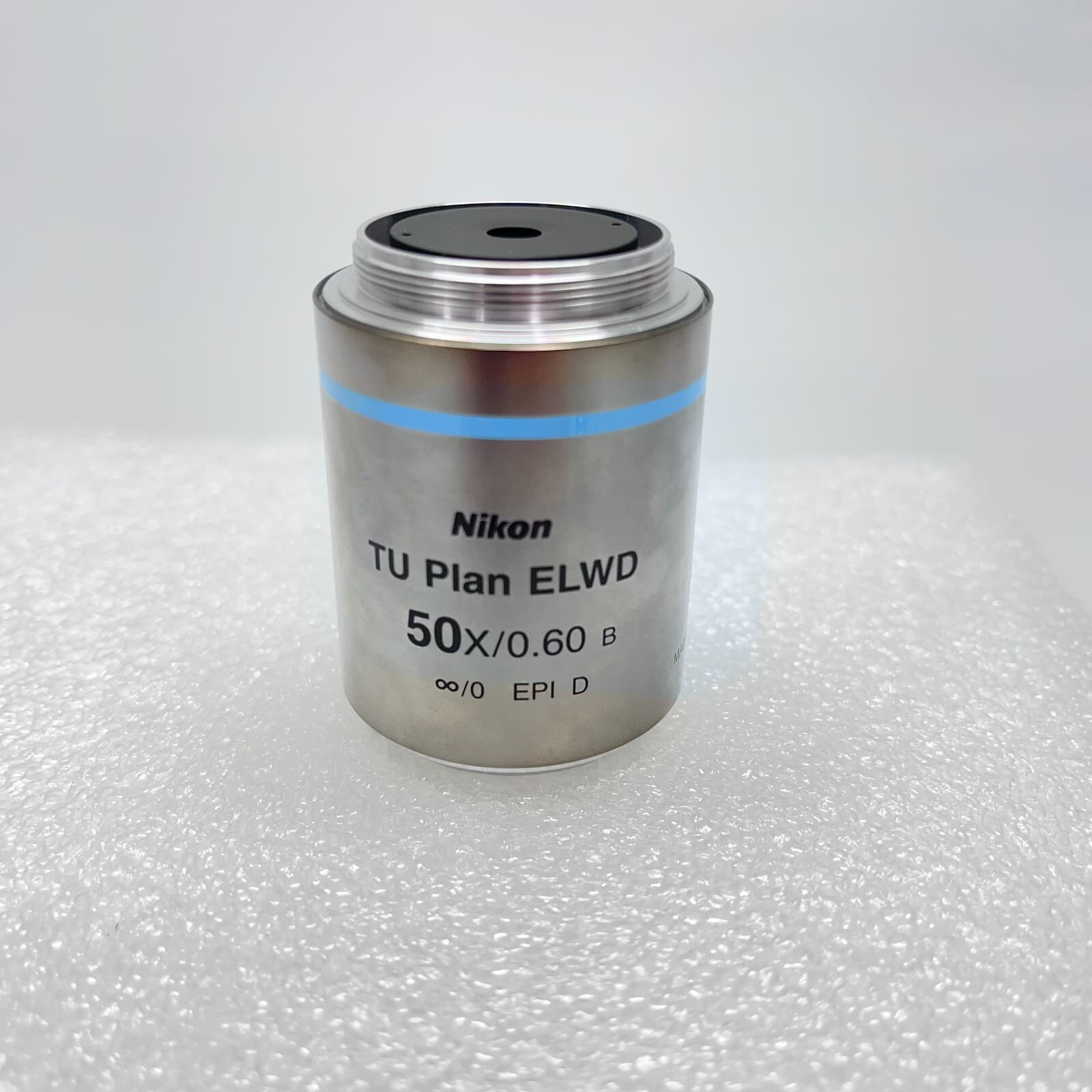
Nikon CFI60 TU Plan Epi ELWD 50x Objective
The Nikon CFI60 TU Plan Epi ELWD 50x Objective is a market-leading 50x solution that balances high magnification with extended working distance and compatibility with Nikon's CFI60 system, making it ideal for thick specimens and epi-illumination applications. Technically it competes directly with Olympus's 50x offering on resolution while providing longer working distance advantages for manipulation or ancillary hardware, though at a premium price relative to industrial lenses like Edmund's telecentric series or Navitar's zoom options.
We may earn a commission on purchases. It never affects our rankings.
Estimated$1,600 – $2,900
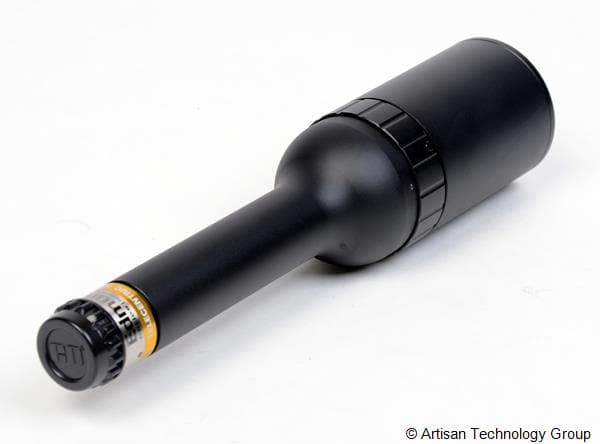
Edmund Optics TECHSPEC Silver Series Telecentric Lens
The Edmund Optics TECHSPEC Silver Series Telecentric Lens is positioned as the market leader for industrial metrology and machine-vision applications in this set, offering telecentricity for distortion-free measurements over large sensors at a fraction of the cost of dedicated microscope objectives. Financially and technically it provides superior value for production-line inspection compared with high-end microscopy optics (Zeiss, Nikon, Olympus), trading ultimate diffraction-limited performance for repeatable dimensional accuracy and lower system cost.
Olympus LMPLFLN50x BD Objective
The Olympus LMPLFLN50x BD Objective is highlighted as a high-performance 50x objective that delivers a strong balance of optical throughput and flatness optimized for fluorescence and brightfield workflows, often at a more competitive price point than some flagship Zeiss and Nikon objectives. In practice it competes with Nikon's 50x on imaging quality while offering laboratories a cost-effective alternative that narrows the performance gap to premium apochromats, and it still outperforms industrial-focused lenses for subcellular resolution.

We may earn a commission on purchases. It never affects our rankings.
Estimated$1,300 – $2,600
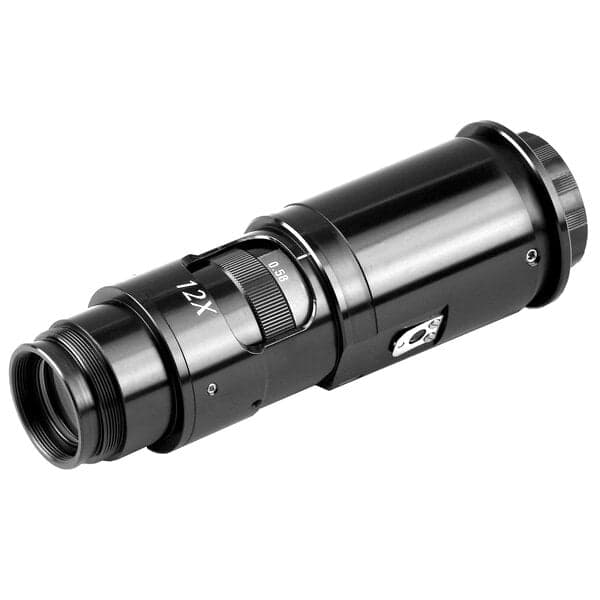
Navitar Machine Vision 1-60135 12x Zoom Lens
The Navitar Machine Vision 1-60135 12x Zoom Lens is the market-leading flexible choice for machine-vision integrators and R&D teams needing rapid field-of-view and working-distance adjustments without swapping optics, delivering strong ROI by reducing system downtime and inventory of fixed lenses. While it cannot match the corrected chromatic performance or NA-driven resolution of dedicated microscopy objectives (Zeiss, Nikon, Olympus), its zoom versatility and lower total system cost make it the practical favorite for prototyping, industrial inspection, and multi-purpose imaging stations.
Estimated$900 – $1,800
Why these optics matter: scientific findings and practical benefits
A range of laboratory studies and industry white papers demonstrate how optical design choices affect imaging and measurement outcomes. Telecentric lenses and high-performance microscope objectives reduce parallax and chromatic and spherical aberrations, improving dimensional accuracy in machine vision systems. Higher numerical aperture increases resolving power but narrows depth of field; apochromatic designs correct across multiple wavelengths for color and multi-sensor setups. Calibration methods and careful selection of working distance, sensor size, and pixel pitch are essential to translate optical performance into reliable measurement results.
Telecentric optics minimize perspective error and maintain constant magnification across depth, improving metrology for dimensional inspection and parts alignment.
Apochromatic microscope objectives correct for chromatic aberration across multiple wavelengths, enabling accurate multi-color imaging and consistent focus across the visible spectrum.
High modulation transfer function (MTF) correlates with sharper image detail and better edge detection, improving automated measurement and defect detection.
Matching lens numerical aperture (NA) and working distance to sensor pixel size optimizes resolution without sacrificing the field of view or depth of field required for production environments.
Peer-reviewed and industry validation reports recommend end-to-end system testing (optics plus sensor and illumination) and regular calibration to maintain measurement traceability in industrial and laboratory settings.
Frequently Asked Questions
Which lens should I buy for machine vision metrology?
For industrial metrology and machine-vision measurements, choose the Edmund Optics TECHSPEC Silver Series Telecentric Lens, rated 4.6, because its telecentric design eliminates perspective error for accurate dimensional measurement.
Does the Zeiss Plan-Apochromat 20x objective have any NA?
Yes—the Zeiss Plan-Apochromat 20x/0.8 M27 Objective has 20x magnification with 0.8 NA, plus Plan-apochromat correction to minimize chromatic and spherical aberrations across the field.
How much does the Nikon CFI60 TU Plan Epi cost?
The provided product info does not list a price for the Nikon CFI60 TU Plan Epi ELWD 50x Objective, rated 4.8, so I can’t compare cost or value from the data.
What compatibility is listed for the Zeiss M27 objective?
The Zeiss Plan-Apochromat 20x/0.8 M27 Objective uses an M27 thread with standardized tube fit for research microscopes and fluorescence applications, and it is rated 4.9.
Conclusion
This shortlist presents the most relevant optics for Canadian machine vision and laboratory metrology in 2026: Zeiss Plan-Apochromat 20x/0.8 M27 Objective, Nikon CFI60 TU Plan Epi ELWD 50x Objective, Edmund Optics TECHSPEC Silver Series Telecentric Lens, Olympus LMPLFLN50x BD Objective, and Navitar Machine Vision 1-60135 12x Zoom Lens. For high-resolution, color-corrected microscopy in research and demanding lab work, the Zeiss Plan-Apochromat 20x/0.8 M27 Objective stands out as the best overall choice because of its balance of NA, apochromatic correction, and proven performance. The Nikon CFI60 TU 50x is ideal when extreme working distance and epifluorescence capability are required. Edmund Optics TECHSPEC Silver telecentric lenses are the go-to for repeatable dimensional metrology in production, while the Olympus LMPLFLN50x BD Objective offers brightfield and long-working-distance options for industrial labs. The Navitar 1-60135 12x Zoom Lens provides flexible field-of-view control for integration into variable inspection stations. We hope you found what you were looking for; you can refine or expand your search using the search function to match specific sensor formats, working distances, or application needs.