

Alpha-2 Agonist Sedatives for Dogs in Canada 2026: Veterinary-Reviewed Top 5 Options (Dexdomitor, Domitor, Sileo, Zenalpha, Antisedan) — When to Use Each
Alpha-2 agonist sedatives act on alpha-2 adrenergic receptors to provide reliable sedation, analgesia, and muscle relaxation in dogs. Common agents in this class include dexmedetomidine and medetomidine, which are used widely as preanesthetic agents and for procedural sedation. In Canada the market has shifted toward reversible, titratable formulations that balance potency with safety — injectable solutions for controlled clinical dosing and oromucosal gels for at-home management of situational anxiety. Consumers and clinicians select these products based on rapid onset, predictable depth and duration of sedation, availability of a reversal agent (atipamezole), formulation convenience, and an established safety profile in veterinary literature. Practical considerations such as ease of dosing, regulatory approvals, and specific indications (for example, noise aversion versus preoperative sedation) shape preference across private practices, emergency clinics, and pet owners.
Inception's AI took the time to understand this market in Canada · · How we pickWe may earn a commission on purchases. It never affects our rankings.
Top Picks Summary
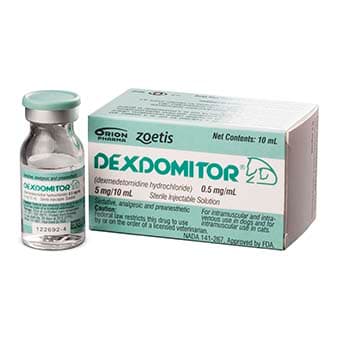
Dexdomitor dexmedetomidine hydrochloride
Dexdomitor is positioned as a best-in-class injectable alpha-2 agonist for precise sedation and analgesia in dogs thanks to dexmedetomidine's high alpha-2 selectivity and predictable cardiorespiratory profile. Compared with medetomidine-based options on this list, Dexdomitor typically achieves target sedation at lower active-molecule doses, offering clinics a technically efficient option that can be cost-effective despite a higher unit price. Its reliability for controlled procedural sedation makes it a premium injectable choice relative to oromucosal or older medetomidine formulations.
Domitor medetomidine hydrochloride
Domitor has long been a market leader among medetomidine injectables due to broad clinical familiarity and a deep track record for routine sedation and premedication in dogs. While less alpha-2 selective than dexmedetomidine brands, Domitor's major advantage is economic: it is widely available, often more affordable or genericized than newer agonists, and pairs predictably with the reversal agent Antisedan. For practices prioritizing cost and well-established protocols over maximum selectivity, Domitor remains a dependable standard.

Sileo dexmedetomidine oromucosal gel
Sileo stands out as the leading non‑injectable formulation, offering dexmedetomidine in an oromucosal gel optimized for situational anxiety (e.g., noise phobias) and at‑home use, which reduces the need for clinic visits and injections. Compared with injectable dexmedetomidine and medetomidine products, Sileo provides a technical and financial advantage for outpatient management by lowering chair time and enabling targeted dosing for episodic stress, albeit at a premium retail price. Its unique route of administration complements the injectable options on this list rather than replacing them.

Zenalpha medetomidine
Zenalpha is a newer medetomidine product that competes by offering an updated formulation and modern packaging aimed at improving dosing convenience and tolerability for clinics. Technically similar to Domitor in active ingredient, Zenalpha's market position is built on formulation refinements and competitive pricing intended to capture practices that want medetomidine's clinical profile with improved usability. Compared to dexmedetomidine products, it remains a cost-conscious medetomidine alternative while relying on the same established reversal strategies.

Antisedan atipamezole hydrochloride
Antisedan is the definitive alpha-2 antagonist used to reverse sedative effects of dexmedetomidine and medetomidine in dogs, which makes it an indispensable market leader for safety and recovery management. Unlike the agonists listed, Antisedan's value is technical and economic: prompt reversal shortens recovery time, reduces monitoring costs and enhances procedural throughput in clinics, and it is routinely paired with all injectable and many oromucosal regimens. Its ability to reliably reverse alpha-2 sedation differentiates it from the sedatives on this list and underpins many veterinarians' choice of agonist therapies.

What the Research Says: Clear Benefits and Safety Considerations
Veterinary pharmacology and clinical trials support the use of alpha-2 agonists for effective sedation and reduced anesthetic requirements in dogs, while emphasizing the need for monitoring and dose adjustment in patients with cardiac, respiratory, or metabolic disease. Research highlights both the unique benefits of dexmedetomidine and medetomidine and the clinical value of a specific reversal agent, atipamezole, which allows quicker recovery when needed.
Mechanism: Alpha-2 agonists reduce central sympathetic tone, producing sedation, anxiolysis, and analgesic-sparing effects while lowering inhalant anesthetic requirements in clinical practice.
Efficacy: Multiple veterinary studies show consistent, dose-dependent sedation with dexmedetomidine and medetomidine in dogs, supporting their role as preanesthetic agents.
Reversibility: Atipamezole (Antisedan) reliably reverses sedation from alpha-2 agonists, enabling shorter recovery times and greater control during procedures.
Formulation differences: Oromucosal dexmedetomidine gel (Sileo) has clinical trial support for reducing noise-aversion responses, offering an approved option for at-home situational anxiety management.
Safety: Evidence emphasizes cardiovascular effects (bradycardia, reduced cardiac output) as predictable dose-related responses; careful patient selection, monitoring, and dose titration mitigate risk.
Clinical practice trend: Recent Canadian and international veterinary guidance favors titratable dosing and clear reversal protocols, increasing clinician confidence in using alpha-2 agonists across diverse settings.
Frequently Asked Questions
Which is best for at-home noise anxiety in dogs?
Sileo (dexmedetomidine oromucosal gel) is made for situational anxiety and noise aversion, with non-invasive buccal administration and onset typically within 30–60 minutes; it’s rated 4.1/5.
Does Dexdomitor provide sedation and analgesia for dogs?
Dexdomitor (dexmedetomidine hydrochloride) is a potent injectable alpha-2 agonist providing reliable sedation and analgesia in dogs, with rapid, dose-dependent effects; it’s rated 4.4/5 and reversible with atipamezole (Antisedan).
How does Domitor’s price compare for routine sedation?
The provided list doesn’t include any prices for Domitor (medetomidine hydrochloride), Dexdomitor, Sileo, Zenalpha, or Antisedan, so I can’t compare value by cost; Domitor is rated 4/5 and reversible with atipamezole.
Is Sileo reversible with Antisedan if needed?
Yes—Sileo’s effects are described as reversible with atipamezole if clinically required; Sileo is dexmedetomidine oromucosal gel for situational anxiety and noise aversion, rated 4.1/5.
Conclusion
In the Canadian 2026 context, these five products represent the alpha-2 toolkit clinicians and informed owners rely on: Dexdomitor (dexmedetomidine hydrochloride) for versatile injectable sedation and controlled titration, Domitor (medetomidine hydrochloride) as a widely used medetomidine option, Sileo (dexmedetomidine oromucosal gel) for noise aversion and at-home situational use, Zenalpha (medetomidine) as an alternative medetomidine formulation, and Antisedan (atipamezole hydrochloride) as the standard reversal agent. For most clinical sedation and preanesthetic applications Dexdomitor offers the best combination of titratability and broad clinical familiarity, while Sileo fills the niche for owner-administered noise-control. We hope you found what you were looking for — refine or expand your search above to compare dosages, regulatory status, or veterinary guidance for specific patient scenarios.