

Phenothiazine Tranquilizers for Dogs: Top 5 Acepromazine Options in Canada (2026 Vet-Reviewed Guide — What to Know Before You Choose)
Published on Monday, February 2, 2026
Phenothiazine tranquilizers for dogs are a drug class most commonly represented by acepromazine. They are used primarily for calming, sedation, and antiemetic effects, but they do not provide reliable pain relief. In clinical and routine sedation protocols across Canada, acepromazine is valued for predictable sedation, multiple formulation options (tablets, injectable, oral solution), and cost-effectiveness. Canadian consumers and veterinary clinicians often prefer formulations that match use-case: oral tablets or solution for pre-visit or mild anxiety management, and injectable forms for controlled sedation in clinic. Buyers also weigh factors such as regulatory status (prescription requirements), ease of dose titration, onset and duration of action, and cardiovascular safety because acepromazine causes vasodilation and can lower blood pressure. These considerations make product selection a balance between convenience, monitored use, and risk management.
Top Picks Summary
Atravet Acepromazine Tablets
Atravet Acepromazine Tablets is positioned as a cost-effective, generic phenothiazine tranquilizer for dogs, favored in high-volume clinics and practices where budget and supply reliability matter. Its primary advantage over branded options in this list is lower per-dose cost and broad availability, though it lacks some of the specialty formulations (injectable or liquid) and braded support services offered by market leaders.
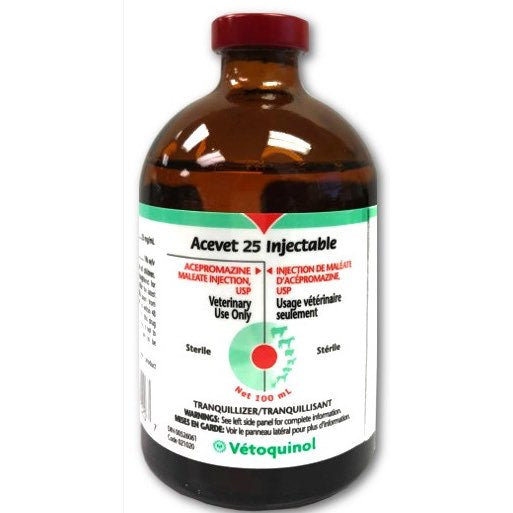
Acepromazine Maleate Injection
Acepromazine Maleate Injection is the go-to sterile phenothiazine injectable for veterinary hospitals needing rapid, controllable sedation in dogs; its technical strength is the ability to administer precise IV/IM doses for acute procedures. Compared with oral tablets and solutions here, the injection commands a premium due to sterile manufacturing and clinic-focused utility, making it more expensive per unit but often more effective for in‑hospital use.
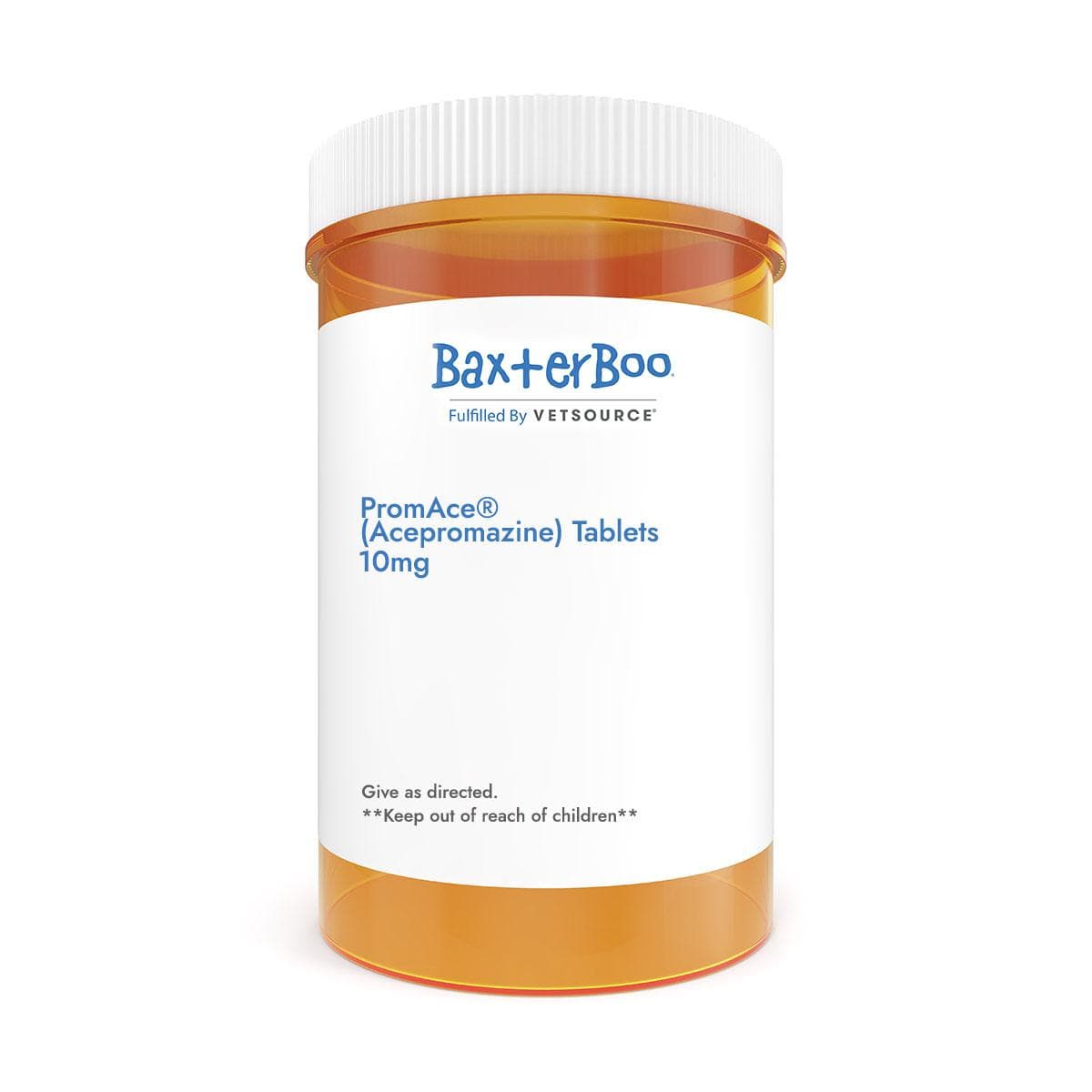
PromAce Tablets
PromAce Tablets is the established branded phenothiazine tablet widely used by veterinarians for canine sedation, offering consistent formulation, clear labeling, and manufacturer support that many clinics prefer over generics. While typically priced above generics like Atravet, PromAce’s brand recognition, supply-chain consistency and regulatory backing make it attractive for practices that prioritize traceability and predictable performance.
Acevet Tablets
Acevet Tablets differentiate themselves by focusing on palatability and owner-friendly tablet design for dogs, improving compliance compared with standard generic tablets; this formulation advantage can reduce dosing errors in outpatient settings. Financially it sits between low-cost generics and premium branded products, offering a balance of improved administration (flavored or scored tablets) with moderate pricing.
Acepromazine Oral Solution
Acepromazine Oral Solution offers precise, weight-based titration for phenothiazine sedation in dogs, making it the preferred choice for small or difficult-to-dose patients where tablets are impractical. Its main technical advantage is flexible dosing and ease of administration compared with fixed-dose tablets, though that flexibility can come with higher per-dose cost and additional storage or measuring considerations versus tablets.
What the Research and Guidelines Say — Simple Takeaways
A range of veterinary anesthesia texts, clinical studies and professional guidelines inform safe use of acepromazine. Below are beginner-friendly highlights about how acepromazine works, what benefits are supported by evidence, and the main safety considerations to discuss with a veterinarian before use.
Mechanism and effects: Acepromazine is a phenothiazine that produces sedation primarily by antagonizing central dopamine receptors and causing peripheral alpha-adrenergic blockade, which explains both its calming effect and its potential to lower blood pressure.
Sedation and antiemetic benefit: Clinical studies and clinical experience show consistent sedative and antiemetic activity, making acepromazine useful before transport, grooming, or minimally invasive procedures. It should not be relied on for pain control.
Onset and duration: Oral formulations typically begin to act within 15 to 45 minutes, with effects lasting roughly 4 to 8 hours depending on dose and individual factors; injectable forms have faster onset and predictable clinic dosing.
Safety and monitoring: Evidence and professional guidance emphasize dose selection tailored to age, body condition, and cardiovascular status. Hypotension is the most important adverse effect — monitoring blood pressure and avoiding use in dehydrated or hypotensive patients is recommended.
Drug interactions and contraindications: Because acepromazine potentiates the effects of other sedatives and can interact with drugs that affect blood pressure, veterinarians recommend careful combination dosing (for example with opioids or alpha-2 agonists) and caution or avoidance in patients with significant cardiac disease or poor perfusion.
Special populations: Research-based guidance advises lower doses or alternative agents for geriatric dogs, neonates, and some breed-specific sensitivities; discuss breed-specific cautions (for example sensitivity reports in some breeds) with your vet.
Evidence base: Recommendations are drawn from veterinary anesthesia references, peer-reviewed clinical trials, and consensus guidelines from professional veterinary associations in Canada and internationally — all of which underscore the importance of veterinary oversight when using acepromazine.
Frequently Asked Questions
Which acepromazine is best for my clinic dogs?
For high-volume Canada clinics prioritizing budget and reliable supply, Atravet Acepromazine Tablets is the cost-effective generic option, with oral onset typically within 30–60 minutes for vet-guided dosing, and a 4.1 average rating.
How fast does Acepromazine Maleate Injection work?
Acepromazine Maleate Injection has a faster onset of action (minutes) and is given IV or IM for rapid, controllable sedation during acute procedures, with a 4.3 average rating and prescription veterinary monitoring due to hypotension risk.
What price value do I get with Atravet tablets?
The provided info calls Atravet Acepromazine Tablets cost-effective versus branded options, but it does not list a specific Canadian price; you do get multiple strengths for flexible weight-based dosing and a 4.1 average rating.
Do these acepromazine options include warranty coverage?
The product details provided list no warranty duration for Atravet Acepromazine Tablets, Acepromazine Maleate Injection, or PromAce Tablets; each is prescription-only in Canada and requires veterinarian dosing guidance and oversight.
Conclusion
In Canada, phenothiazine tranquilizers remain a practical tool for controlling anxiety and nausea in dogs when used under veterinary guidance. The five main products profiled here — Atravet Acepromazine Tablets, Acepromazine Maleate Injection, PromAce Tablets, Acevet Tablets, and Acepromazine Oral Solution — cover the common needs from clinic sedation to home pre-visit dosing. For most routine pre-visit or mild-sedation uses, Atravet Acepromazine Tablets are often the best choice because they combine straightforward dosing, broad availability in Canada, and a formulation familiar to many veterinarians. We hope you found the information you were looking for; you can refine or expand your search using the site search or filters to compare dosing strengths, prescription requirements, and formulation types.