

Top 5 Injectable Sedative Premedications for Dogs in Canada (2026) — Veterinary-Reviewed Guide to Safer, Reversible Sedation: Which One Is Right for Your Patient?
Injectable sedative premedications for dogs include intravenous, intramuscular, and subcutaneous formulations used to calm patients, provide analgesia, and smooth induction of anesthesia. In Canadian clinics in 2026, practitioners and informed pet owners favor combinations that balance sedation depth with cardiopulmonary safety and rapid reversibility. Practical considerations shaping purchasing and prescribing preferences include route of administration, onset and duration, availability of reversal agents, compatibility with other anesthetic drugs, vial size (single vs. multidose), cost, and regional regulatory approvals. These factors make certain products—such as Dexdomitor, Dolorex, Alfaxan Multidose, Telazol, and Atravet Injection—frequently selected across primary care and specialty settings.
Inception's AI took the time to understand this market in Canada · · How we pickWe may earn a commission on purchases. It never affects our rankings.
Top Picks Summary
Dexdomitor
Dexdomitor (dexmedetomidine) is presented as the best-in-class injectable sedative premedication for dogs because of its potent alpha-2 agonist sedation with reliable analgesic-sparing effects and the availability of a specific antagonist (atipamezole) to rapidly reverse sedation. Compared with products on this list, Dexdomitor delivers deeper, dose-sparing premedication than phenothiazines like Atravet and avoids the prolonged, rough recoveries sometimes seen with dissociatives such as Telazol, though it requires cardiovascular monitoring and can be more costly than simple tranquilizers.

Dolorex
Dolorex is positioned as a market-leading opioid-class premed adjunct that provides reliable perioperative analgesia and moderate sedation, making it a valuable complement to primary sedatives in dogs. Financially and technically, Dolorex often reduces the need for higher doses of more expensive sedatives or induction agents (for example minimizing alfaxalone or Telazol requirements), but it is a controlled substance in many jurisdictions and provides less profound sedation on its own than Dexdomitor.

Alfaxan Multidose
Alfaxan Multidose (alfaxalone) is an ultrashort-acting injectable anaesthetic that also performs well as a sedative premed in dogs when titrated, offering rapid induction and smooth, predictable recoveries without the cumulative cardiorespiratory depression seen with some alpha-2 agonists. Compared with Telazol, Alfaxan typically gives cleaner recoveries and, versus Dexdomitor, does not provide analgesia so it is frequently paired with opioids like Dolorex; the multidose presentation can also offer cost efficiencies in high-volume practices.

Telazol
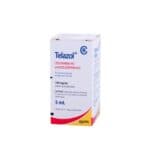
Telazol (tiletamine-zolazepam) is a market leader for situations requiring deep chemical restraint — it produces rapid, profound immobilization which is especially useful for aggressive or fractious dogs where IV access is limited. Technically it outperforms simple tranquilizers like Atravet for immobilization but has downsides including heavier respiratory and cardiovascular depression and often longer, less smooth recoveries than Alfaxan or Dexdomitor, and is typically regulated as a controlled agent.
Atravet Injection
Atravet Injection (acepromazine/phenothiazine class) is a cost-effective, long-acting tranquilizer commonly used for mild-to-moderate sedation in dogs; its primary market advantage is low cost and wide availability for routine premedication. Compared with Dexdomitor and Telazol it produces lighter sedation and no analgesia, but it carries minimal respiratory depression and is often chosen where financial constraints or simple anxiolysis are the priority, typically being paired with opioids such as Dolorex to add analgesia.

What the Research and Clinical Evidence Say
A range of peer-reviewed studies, veterinary anesthesia texts, and clinical audits support selective use of injectable sedatives as part of a multimodal approach. Evidence emphasizes matching drug choice and dose to the patient’s signalment and health status, combining agents to reduce individual drug doses, close monitoring of cardiopulmonary function, and using reversal agents when rapid recovery is needed. Below are accessible, research-backed takeaways about mechanisms, benefits, and safety considerations.
Alpha-2 agonists (e.g., dexmedetomidine/Dexdomitor) produce reliable sedation and analgesia and are rapidly reversible with atipamezole; studies show good sedative depth but consistent reductions in heart rate and blood pressure that require monitoring and dose adjustment.
Neurosteroid anesthetics (e.g., alfaxalone/Alfaxan Multidose) provide smooth induction and recovery with comparatively favorable cardiorespiratory profiles at recommended doses; recent clinical reports highlight the convenience and cost-effectiveness of multidose formulations in busy practices when aseptic technique is maintained.
Dissociative combinations (e.g., tiletamine-zolazepam/Telazol) are effective for deep sedation and induction in fractious or highly stressed patients, but can increase recovery variability and respiratory depression risk; they remain valuable where strong immobilization is required.
Phenothiazine tranquilizers (e.g., Atravet Injection) offer stable sedation and antiarrhythmic properties without a reversal agent and with limited analgesia; research suggests they are useful for calmization and premedication in many elective procedures but should be avoided when rapid reversal is needed.
Opioid sedatives/analgesics (products like Dolorex in some formularies) are widely used to provide analgesia and mild sedation and are commonly combined with alpha-2 agonists or benzodiazepines to reduce total doses and improve comfort; monitoring for respiratory depression is standard practice.
Clinical consensus supports multimodal premedication—combining agents that provide analgesia, anxiolysis, and muscle relaxation—because this approach can reduce doses of individual drugs, limit side effects, and improve recovery profiles.
Frequently Asked Questions
Which dog sedative premedication is safest to choose?
Dexdomitor is often chosen for dogs needing predictable, reversible sedation because it’s a dexmedetomidine alpha-2 agonist with reliable analgesic-sparing effects and can be rapidly reversed with atipamezole; rating 4.4.
What exactly does Dexdomitor’s atipamezole reversal do?
Dexdomitor (dexmedetomidine) is reversible with atipamezole, allowing controlled and often rapid recovery after IM/IV dosing; it’s an alpha-2 agonist providing reliable sedation and analgesia; rating 4.4.
How does Alfaxan Multidose price compare to Dexdomitor?
Price details for Alfaxan Multidose and Dexdomitor aren’t provided here, so I can’t compare Canadian costs; I can confirm Alfaxan Multidose is rated 4.6 and Dexdomitor is rated 4.4.
Who should avoid Dolorex opioid sedation for dogs?
Dolorex is a buprenorphine opioid that provides moderate analgesia with mild sedative effects and is often combined with sedatives; the data here doesn’t list a specific “avoid” group, warranty, or compatibility limits; rating 4.0.
Conclusion
In Canada in 2026, injectable sedative premedications remain essential tools to improve patient comfort and facilitate safer anesthesia. The five main products covered here—Dexdomitor, Dolorex, Alfaxan Multidose, Telazol, and Atravet Injection—each fill distinct roles: Dexdomitor for reversible, reliable sedation; Dolorex for opioid-based analgesic support; Alfaxan Multidose for smooth induction and recovery; Telazol for potent dissociative induction in challenging patients; and Atravet Injection for tranquilization where reversal is not required. For most routine premedication needs where reversibility and a predictable cardiovascular profile are priorities, Dexdomitor is the best choice among the options listed. I hope you found the information you were looking for; you can refine or expand your search using the site search to compare dosing, contraindications, or product availability in your province.