

Top 8 Ion Exchange Columns in Canada for 2026: Strong and Weak IEX for High-Resolution Separations
Published on Saturday, January 24, 2026
Ion exchange columns are essential tools for separating ionic species, including proteins, peptides, and charged small molecules. Designed for high-resolution ion chromatography, modern strong and weak ion exchange columns offer excellent selectivity, method scalability, and compatibility with volatile salts for mass spectrometry detection. In Canada, demand for reliable IEX products has grown across academic proteomics, biopharmaceutical process development, environmental monitoring, and food and beverage testing. Canadian users value columns that combine reproducible resolution, low carryover, easy regeneration, and strong vendor support or local distribution. Sustainability, solvent reduction, and MS-friendly mobile phases are increasingly important buying criteria, so the top options in 2026 emphasize MS compatibility, robust particle chemistry, and scalable formats that move smoothly from analytical to preparative workflows.
Top Picks Summary
Cytiva's HiTrap SP HP column is a market-leading prepacked strong cation exchanger prized for consistent lot-to-lot performance and seamless integration with automated AKTA workflows, making method transfer and routine purification fast and predictable. Although its per-unit cost can be higher than generic packed media, the time savings, standardized format and widespread application data provide a clear operational and technical advantage for labs prioritizing reproducibility over the absolute lowest per-run cost.
Show More Strong Cation Ion Exchange Chromatography Columns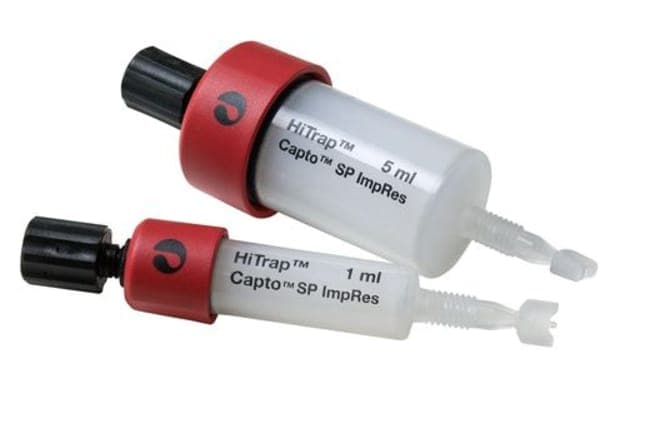
Cytiva HiTrap CM FF Column
Cytiva's HiTrap CM FF is a prepacked, small-volume weak-cation (CM) column designed for rapid method development and reproducible bench-scale work, balancing good resolution with economical per-run cost. It stands out versus higher-priced analytical columns by offering seamless integration with FPLC systems and consistent lot-to-lot performance, making it an attractive first-choice for labs needing reliable weak-cation separations without the capital or resolution premium of specialty HPLC columns like the TSKgel.
Show More Weak Cation Ion Exchange Chromatography Columns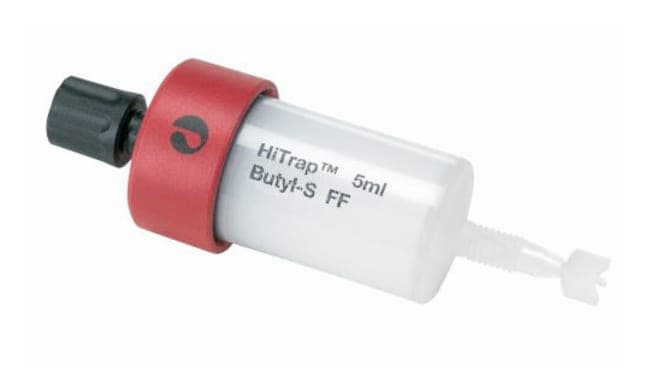
UNO Q uses a robust, high-capacity matrix and flow-optimized design to provide rapid separations and strong chemical stability under demanding conditions common in biologics work. Against the other offerings here it stands out for operational resilience and medium-scale cost efficiency, making it attractive where column lifetime and resistance to harsh clean-in-place cycles matter more than the ultra-high-resolution seen in some analytical-focused SAX columns.
Show More Strong Anion Ion Exchange Chromatography Columns
Agilent's Bio WAX column is engineered for sensitive weak anion exchange separations where compatibility with downstream detection (including LC–MS workflows) and tight retention control are important. It typically sits at the higher end of the market in price but provides excellent surface chemistry control and lot consistency, making it preferable for analytical labs where instrument time and data quality carry greater cost than consumables. Compared with the more preparative or budget-friendly choices here, the Bio WAX is chosen when analytical sensitivity and method robustness are the primary purchase drivers.
Show More Weak Anion Ion Exchange Chromatography Columns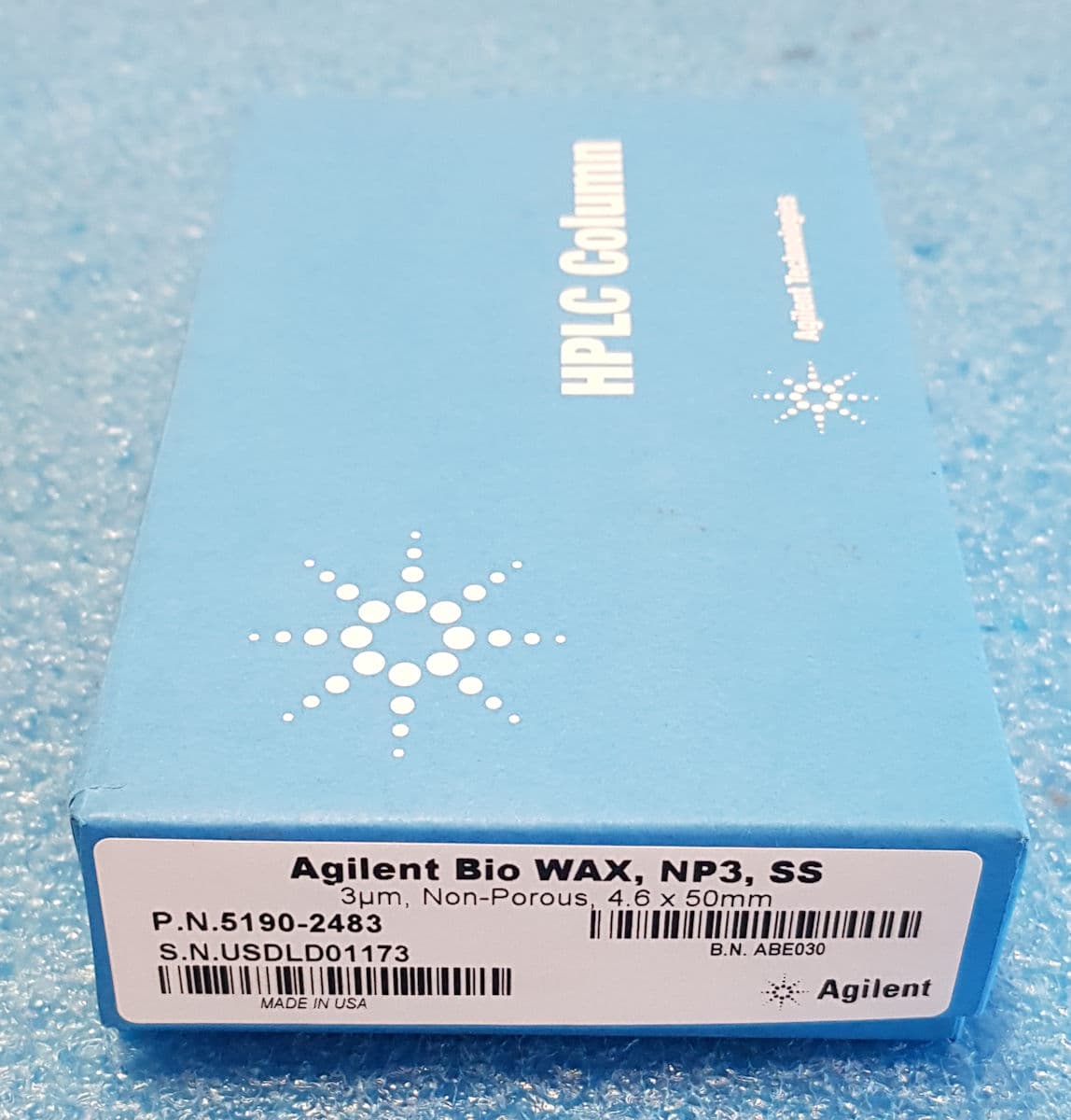
Cytiva HiTrap Q HP is a prepacked, high-capacity strong anion-exchange column designed for convenient protein and peptide purification screening and small-scale production. Its balance of binding capacity, reproducible factory packing and off-the-shelf availability make it a cost-effective choice for method development compared with higher-resolution but pricier analytical columns like Mono Q. Financially it’s attractive for labs running many routine purifications due to lower per-run cost and broad compatibility with common FPLC systems.
Show More Ion Exchange Columns for Protein and Peptide Purification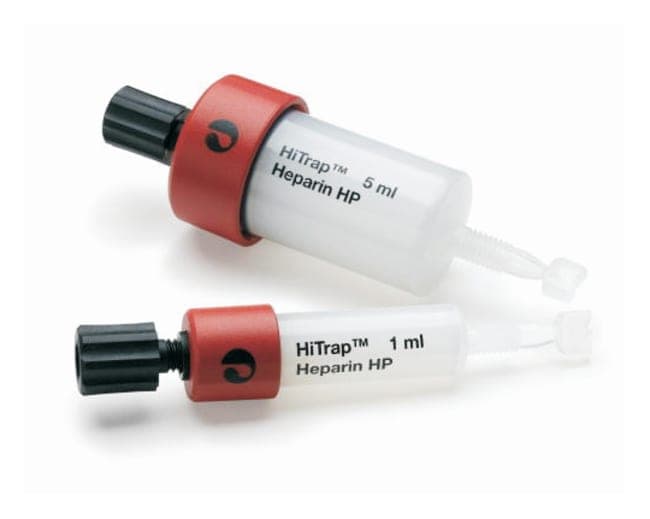
Where to buy Cytiva HiTrap Q HP in Canada: the trusted retailers we track in this market, with the best price we have observed at each. Prices are checked regularly and can change, and the retailer confirms the final price at checkout.
We may earn a commission on purchases. It never affects our rankings.
$250 – $450
Cytiva AxiChrom Columns
Cytiva AxiChrom Columns are scalable, process-oriented columns designed to simplify packing, unpacking and scale-up for preparative ion exchange at production scale. They lead the market for quick turnover and reproducible scale translation—reducing downtime and scale-up risk versus traditional packed-bed systems like BPG and providing more consistent, automated packing performance than many commodity process columns, which translates into lower operational variability and validation effort.
Show More Preparative Ion Exchange Chromatography Columns for Industrial Scale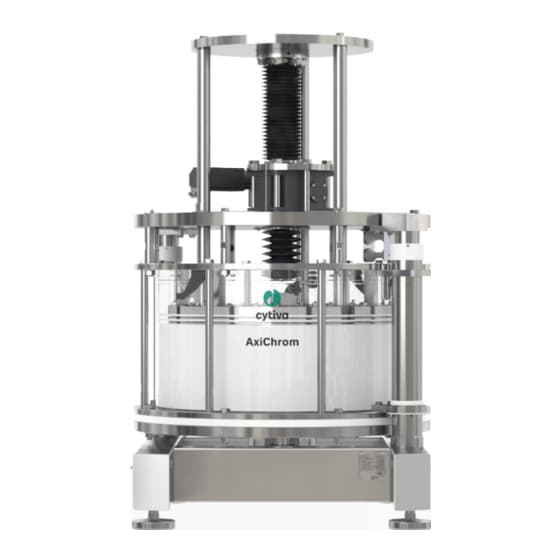
CIMmultus QA Monolithic Column
CIMmultus QA is positioned as a best-in-class anion-exchange monolithic column for high-flow, large-scale operations because its polymer-based quaternary amine chemistry is engineered for very low backpressure, high dynamic binding capacity and straightforward scale-up from lab to production. Compared with the other listed columns, it uniquely targets high-throughput anion capture where cost-per-processed-liter and run-time savings matter most, offering longer runtimes and fewer replacements than many silica-based alternatives. Financially, its throughput-driven efficiency and operational robustness translate into lower processing time and reduced total cost of ownership in manufacturing environments.
Show More Ion Exchange Guard and Cartridge Columns for Analytical Systems
Where to buy CIMmultus QA Monolithic Column in Canada: the trusted retailers we track in this market, with the best price we have observed at each. Prices are checked regularly and can change, and the retailer confirms the final price at checkout.
We may earn a commission on purchases. It never affects our rankings.
$3,000 – $8,000
Waters BioResolve SCX mAb Column
The Waters BioResolve SCX mAb column is designed specifically for high-resolution charge-variant analysis of monoclonal antibodies using MS-compatible volatile mobile phases, delivering superior separation of large-molecule variants that many general-purpose columns cannot match. This technical advantage makes it the go-to choice for biopharma mAb characterization despite a premium price point, whereas more economical options on this list (Phenomenex, Tosoh) are better suited for routine protein assays rather than detailed mAb charge profiling.
Show More Monolithic Ion Exchange Chromatography Columns for High Flow Applications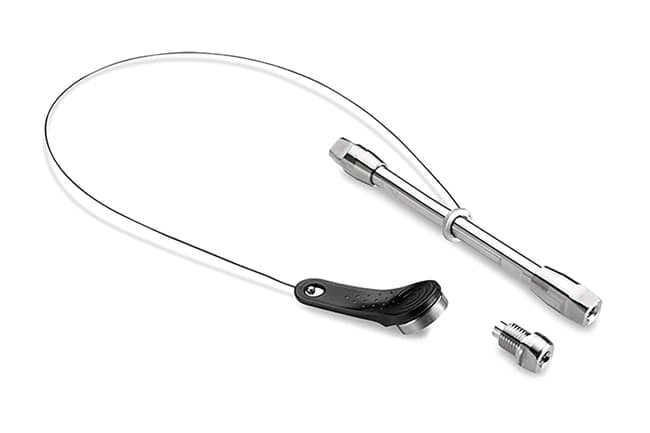
Where to buy Waters BioResolve SCX mAb Column in Canada: the trusted retailers we track in this market, with the best price we have observed at each. Prices are checked regularly and can change, and the retailer confirms the final price at checkout.
We may earn a commission on purchases. It never affects our rankings.
$1,800 – $3,200
How Ion Exchange Columns Work and What Research Shows
Ion exchange chromatography separates analytes by exploiting electrostatic interactions between charged species in the sample and oppositely charged groups on the stationary phase. Strong ion exchangers retain charge across a wide pH range, while weak exchangers change their charge state with pH and can provide sharper selectivity for certain analytes. Recent analytical and separations research supports the benefits of optimized IEX methods for protein and peptide separation, desalting prior to mass spectrometry, and separating small charged molecules with high resolution. Advances include mixed-mode chemistries and monolithic supports that improve mass transfer and reduce backpressure, and protocols that use volatile buffers like ammonium acetate or formate to enable direct coupling with MS. These findings are repeatedly demonstrated across peer-reviewed studies and industry application notes, showing improvements in sensitivity, reproducibility, and scalability when IEX retention and elution parameters are carefully controlled.
Mechanism: Separation is driven by ionic interactions; retention depends on analyte charge, stationary phase charge density, pH, and ionic strength.
Strong vs weak exchangers: Strong cation/anion exchangers maintain charge across broad pH ranges; weak exchangers offer tunable selectivity near their pKa.
MS compatibility: Using volatile salts such as ammonium acetate or formate enables direct MS detection while preserving chromatographic performance.
Mixed-mode and monoliths: Combining ion exchange with hydrophobic interactions or using monolithic formats improves peak shape and reduces backpressure for fast separations.
Scalability: Research supports method transfer from analytical to preparative scales when column geometry, particle size, and linear velocity are matched.
Optimization tips: Control pH and ionic strength for selective elution, monitor conductivity for gradient methods, and include appropriate column regeneration steps to extend lifetime.
Frequently Asked Questions
Which Cytiva HiTrap IEX column is best for peptides?
Cytiva HiTrap CM FF Column is a prepacked 1 mL or 5 mL weak-cation (CM, carboxymethyl) column, optimized for proteins and peptides with predictable, reproducible performance and gentle protein-friendly operation.
What exact resin and binding chemistry does HiTrap DEAE use?
Cytiva HiTrap DEAE FF Column uses DEAE Sepharose in a prepacked HiTrap 1 mL/5 mL format, with an agarose-based weak anion exchanger for high dynamic binding capacity for proteins.
How does CarboPac PA200 pricing compare for high-resolution carbs?
The provided data does not list any price for Thermo Scientific CarboPac PA200 Column, but it is a polymeric strong anion-exchange column optimized for oligosaccharides and carbohydrates with high-resolution separations under high-pH eluents.
Is CarboPac PA200 compatible with pulsed amperometric detection?
Yes—Thermo Scientific CarboPac PA200 Column is described as high-resolution and compatible with high-pH eluents and pulsed amperometric detection, and it is available in analytical and semi-preparative formats.
Conclusion
These nine top ion exchange columns reflect the 2026 Canadian market focus on high-resolution, MS-compatible separations and scalable workflows. We hope you found a suitable option for your lab or process. If you want to narrow results by application, particle type, or vendor support in Canada, use the search to refine or expand your selection.