

Top 5 Strong Cation Exchange Columns in Canada: Best SCX Columns for 2026
Published on Saturday, January 24, 2026
Strong cation exchange (SCX) columns use sulfonic acid functional groups to separate and concentrate positively charged analytes. They are widely used for peptides, small molecules, and inorganic cations requiring high capacity and stable performance across wide pH ranges. In Canada, demand for SCX columns has grown with increased peptide research, bioprocess development, and quality control needs across pharmaceutical and academic labs. Canadian users tend to prioritize columns that deliver reproducible retention, high loading capacity, broad pH tolerance, and consistent batch-to-batch performance, alongside dependable local support and supply. Practical considerations such as compatibility with mass spectrometry workflows, robust packing materials, and vendor service networks in major hubs like Toronto, Montreal, and Vancouver also shape purchase decisions.
Top Picks Summary
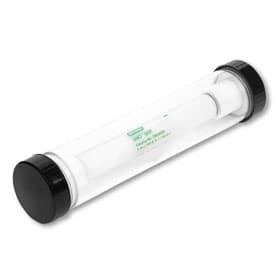
Bio-Rad UNO S Cation Exchange Column
The UNO S cation exchange column from Bio-Rad earns a best-in-class spot for preparative and bench-scale strong cation ion exchange chromatography by combining high dynamic binding capacity with robust chemistry that tolerates repeated regeneration cycles. It is a cost-effective choice for labs focused on lower cost-per-run and scalable recovery compared with prepacked analytical-only options, while still delivering the capacity and reproducibility needed for process development relative to the other columns listed.
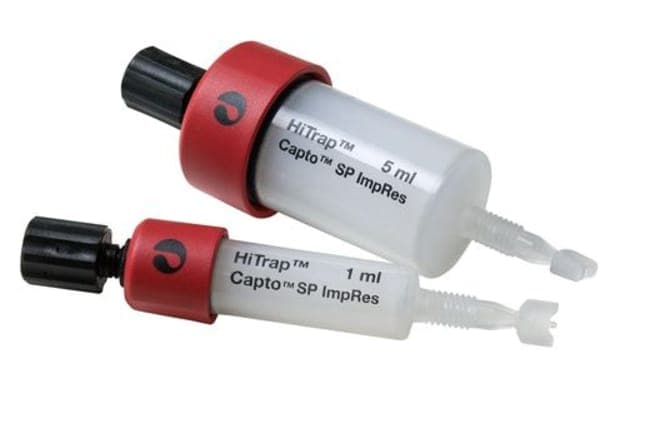
Cytiva HiTrap SP HP Column
Cytiva's HiTrap SP HP column is a market-leading prepacked strong cation exchanger prized for consistent lot-to-lot performance and seamless integration with automated AKTA workflows, making method transfer and routine purification fast and predictable. Although its per-unit cost can be higher than generic packed media, the time savings, standardized format and widespread application data provide a clear operational and technical advantage for labs prioritizing reproducibility over the absolute lowest per-run cost.
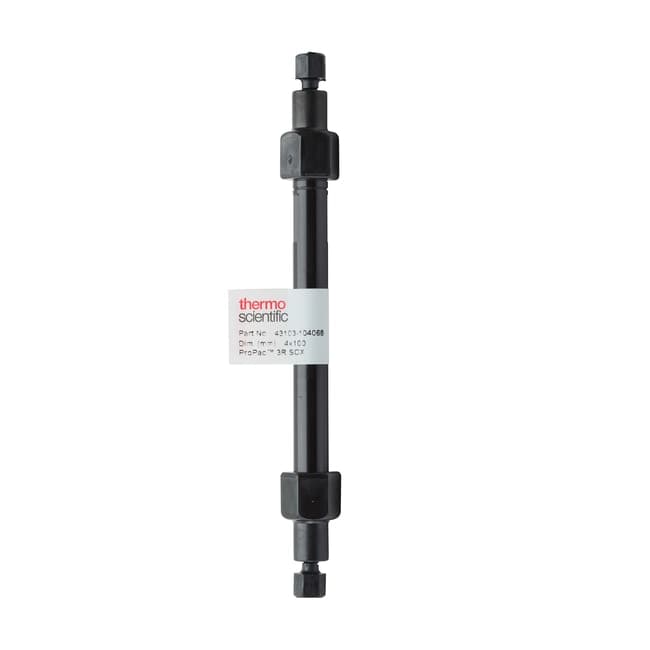
Thermo Scientific ProPac SCX-10 Column
The ProPac SCX-10 from Thermo Scientific stands out for high-resolution analytical strong cation separations, offering excellent peak capacity and pressure stability for peptide and protein mapping applications where detailed charge-variant resolution matters. Its technical strengths in chromatographic resolution and compatibility with higher-pressure UHPLC setups make it preferable to more preparative-focused offerings when analytical sensitivity and long column lifetimes justify a premium investment.
Agilent Bio SCX NP Column
Agilent's Bio SCX NP column is designed for rapid, high-efficiency strong cation separations in QC and analytical labs, delivering tight peak shapes and reliable performance across batches. While it sits alongside other premium analytical columns like Thermo's ProPac for resolution, Agilent emphasizes fast throughput and integrated instrument support, which can reduce method-development time and indirect costs in regulated workflows.
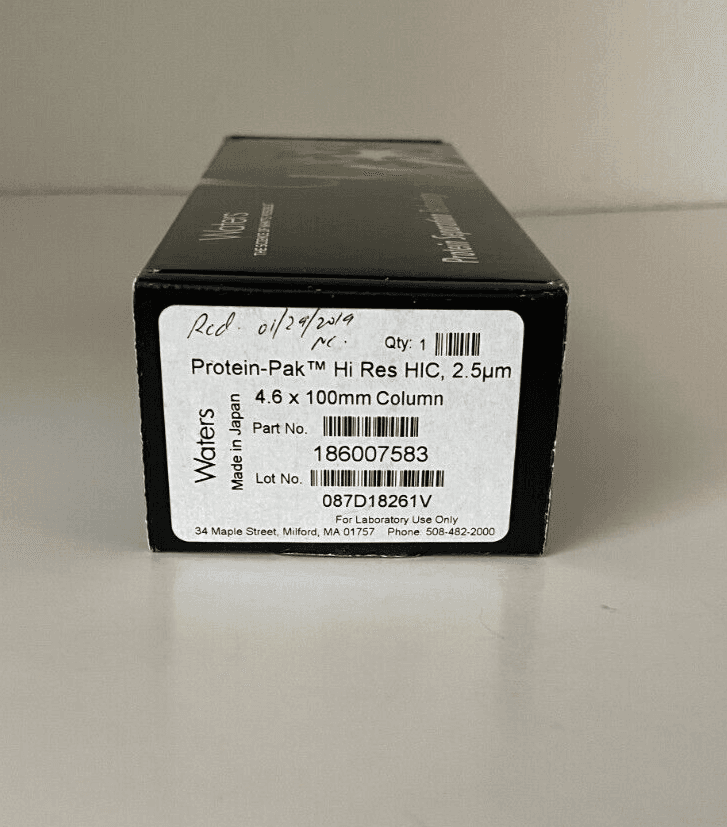
Waters Protein-Pak Hi Res SP Column
Waters' Protein-Pak Hi Res SP column is positioned as a specialist market leader for intact protein and high-resolution biotherapeutic charge-variant separations, offering rugged performance and long service life tailored to biopharma characterization needs. Its higher upfront price is offset by exceptional resolution for critical quality attribute analysis and predictable lifecycle costs, making it the choice when maximum protein detail is required versus more general-purpose SCX columns.
Why SCX Columns Work: Research-Backed Benefits and Practical Notes
Scientific studies and method development literature consistently support SCX chemistry for separating basic and positively charged species because the fixed sulfonic acid groups provide strong, stable cation-exchange capacity across a wide pH window. Peer-reviewed method comparisons and application notes highlight SCX advantages for peptide fractionation, salt removal, desalting prior to MS, and routine QC separations. For users new to SCX, key advantages include predictable retention based on charge and ionic strength, scalable performance from analytical to preparative formats, and compatibility with gradient elution strategies that improve resolution for complex samples.
Mechanism: Sulfonic acid functional groups provide a permanent negative charge, enabling selective retention of cationic analytes independent of minor pH shifts.
Capacity and reproducibility: Publications and vendor validation studies show SCX columns deliver high dynamic binding capacity for peptides and small proteins, enabling reliable quantitation and preparative runs.
pH stability: SCX media typically maintain performance across a broad pH range, which reduces reconditioning needs and method drift in long-term use.
MS compatibility: When paired with volatile salt gradients or ion-pairing strategies, SCX-prepared fractions are readily compatible with mass spectrometry workflows for identification and quantitation.
Practical guidance: Method development literature recommends optimizing ionic strength and gradient slope to improve selectivity, and using guard columns to extend column lifetime.
Frequently Asked Questions
Which SCX column should I choose for routine purification?
Cytiva HiTrap SP HP Column is a strong choice for routine protein purification because it’s a ready-to-use prepacked strong cation exchanger with seamless integration into automated AKTA workflows and a 4.7 average rating.
What does the Bio-Rad UNO S column use for separation?
Bio-Rad UNO S Cation Exchange Column uses a sulfopropyl strong cation-exchange resin for high-resolution protein separations, and it’s compatible with ÄKTA/FPLC systems for quick method development and scale-up.
How does the Cytiva HiTrap SP HP price compare?
The provided data doesn’t include any price for Cytiva HiTrap SP HP Column, so I can’t compare value or cost to the Bio-Rad UNO S or Thermo Scientific ProPac SCX-10 based on this info.
Is the ProPac SCX-10 compatible with LC–MS workflows?
Yes—Thermo Scientific ProPac SCX-10 Column is compatible with LC–MS and is robust under high-pressure UHPLC conditions, with an average rating of 4.4.
Conclusion
This selection of SCX columns covers the needs of Canadian labs looking for robust, high-capacity cation exchange performance. The lineup includes Bio-Rad UNO S Cation Exchange Column, Cytiva HiTrap SP HP Column, Thermo Scientific ProPac SCX-10 Column, Agilent Bio SCX NP Column, and Waters Protein-Pak Hi Res SP Column. For most peptide analytics and routine QC workflows in Canada, the Cytiva HiTrap SP HP Column stands out as the best overall choice thanks to its balance of resolution, availability, and vendor support. We hope you found what you were looking for; you can refine or expand your search with filters for particle size, column dimensions, or intended application to find the exact match for your lab.