

Top 5 Preparative Ion Exchange Columns for Industrial Scale in Canada (2026)
Published on Saturday, January 24, 2026
Preparative ion exchange columns for industrial scale are engineered for high throughput, large bed volumes, and robust resin chemistries suitable for process and bioprocess manufacturing. These columns prioritize scalability, reproducible performance, cleaning-in-place compatibility, and regulatory-compliant materials to meet the rigorous demands of therapeutic biologics, vaccines, and industrial proteins. In Canada, buyers favor solutions that combine proven scale-up characteristics, strong vendor support, and traceable materials that align with Health Canada and GMP expectations. Practical considerations such as total cost of ownership, local availability or distribution, ease of integration with process skids, and environmental impact (reduced solvent use, durable resins, or single-use options) are driving purchasing decisions across Canadian contract manufacturers, biotech startups, and established pharma operations in Toronto, Montreal, Vancouver, and other life sciences hubs.
Top Picks Summary
Cytiva BPG Columns
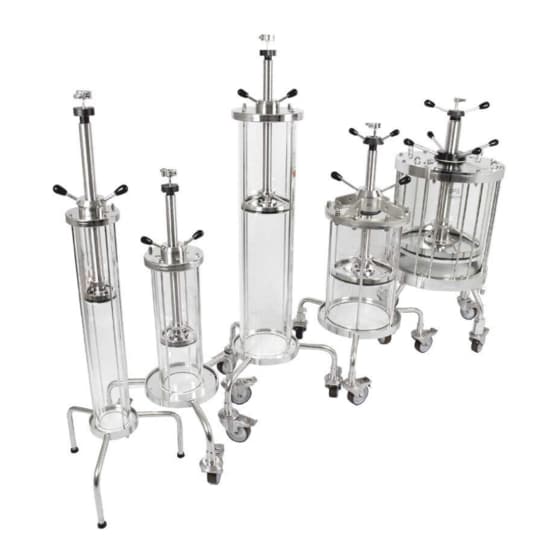
Cytiva BPG Columns are robust stainless-steel preparative packed-bed columns engineered for industrial-scale ion exchange separations, offering high mechanical durability and consistent packing reproducibility. They earn a best-in-class position for large-scale capture steps where per-run binding capacity and long multi-cycle economics matter, delivering lower cost-per-gram over repeated campaigns compared with single-use pre-packed options and higher capacity than convective membrane devices.
Cytiva AxiChrom Columns
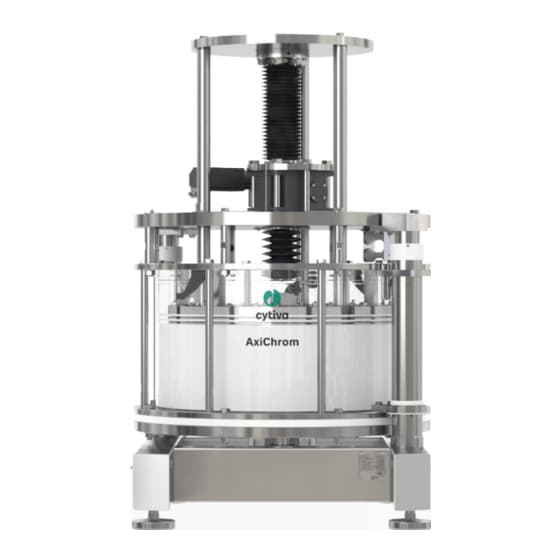
Cytiva AxiChrom Columns are scalable, process-oriented columns designed to simplify packing, unpacking and scale-up for preparative ion exchange at production scale. They lead the market for quick turnover and reproducible scale translation—reducing downtime and scale-up risk versus traditional packed-bed systems like BPG and providing more consistent, automated packing performance than many commodity process columns, which translates into lower operational variability and validation effort.
Repligen OPUS Pre-packed Columns
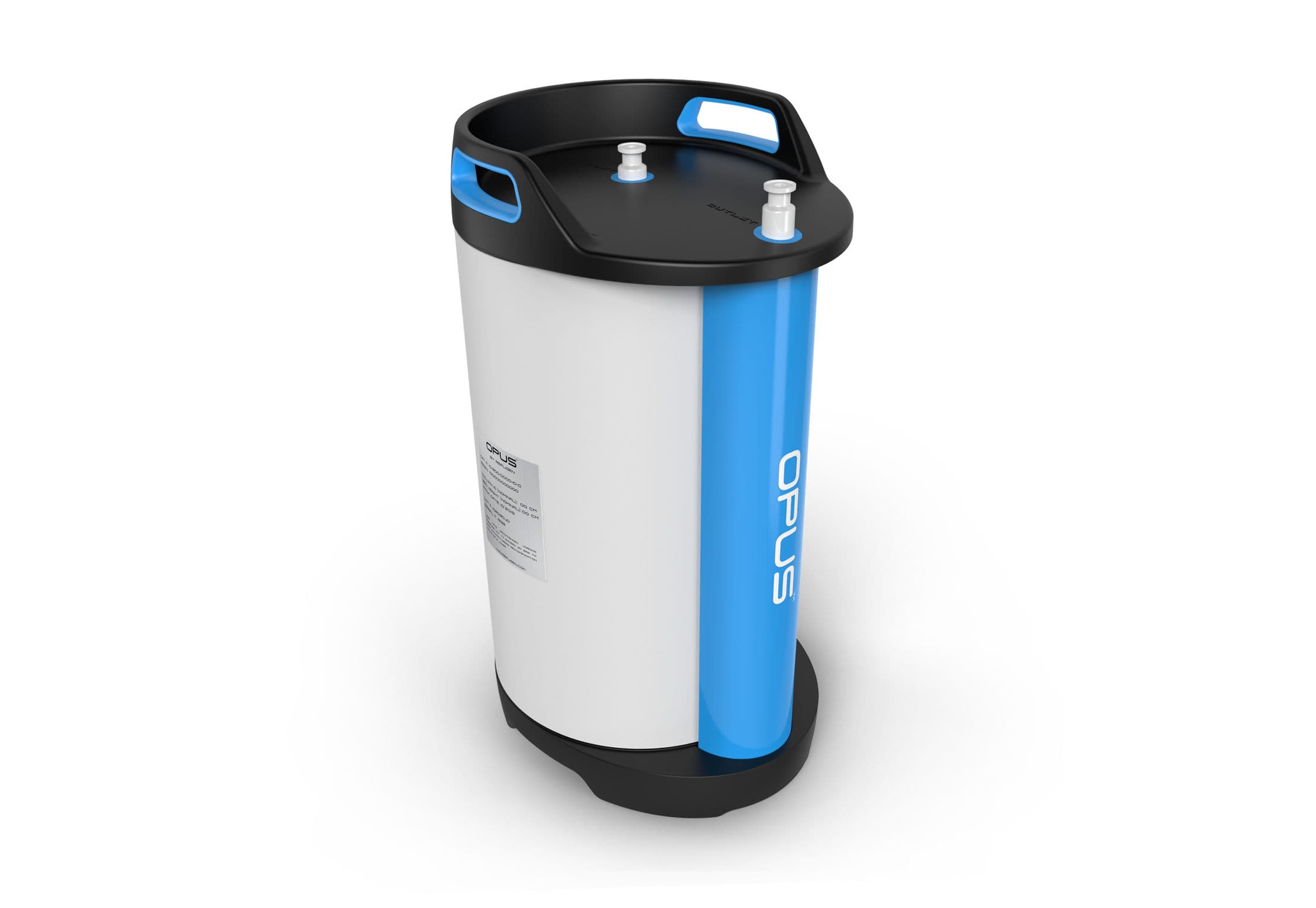
Repligen OPUS Pre-packed Columns are single-use, factory-packed preparative columns that eliminate packing variability and greatly reduce cleaning and validation burdens in cGMP production. Their primary financial and operational advantage is faster campaign changeover and lower validation cost compared with reusable stainless-steel systems, making them attractive for multi-product facilities or early-stage commercial production even if per-run consumable spending can be higher than long-lived packed columns.
Sartorius Sartobind Q Membrane Adsorber
Sartorius Sartobind Q Membrane Adsorbers are high-flow, convective ion-exchange devices optimized for polishing and flow-through impurity removal at industrial scale, providing very high volumetric throughput and low buffer consumption. They are market-leading for throughput-limited polishing steps where reduced footprint and faster processing lower operational costs relative to packed-bed capture columns, though they typically offer lower static binding capacity per volume than large packed columns and are therefore often used complementarily.
Bio-Rad Process Chromatography Columns
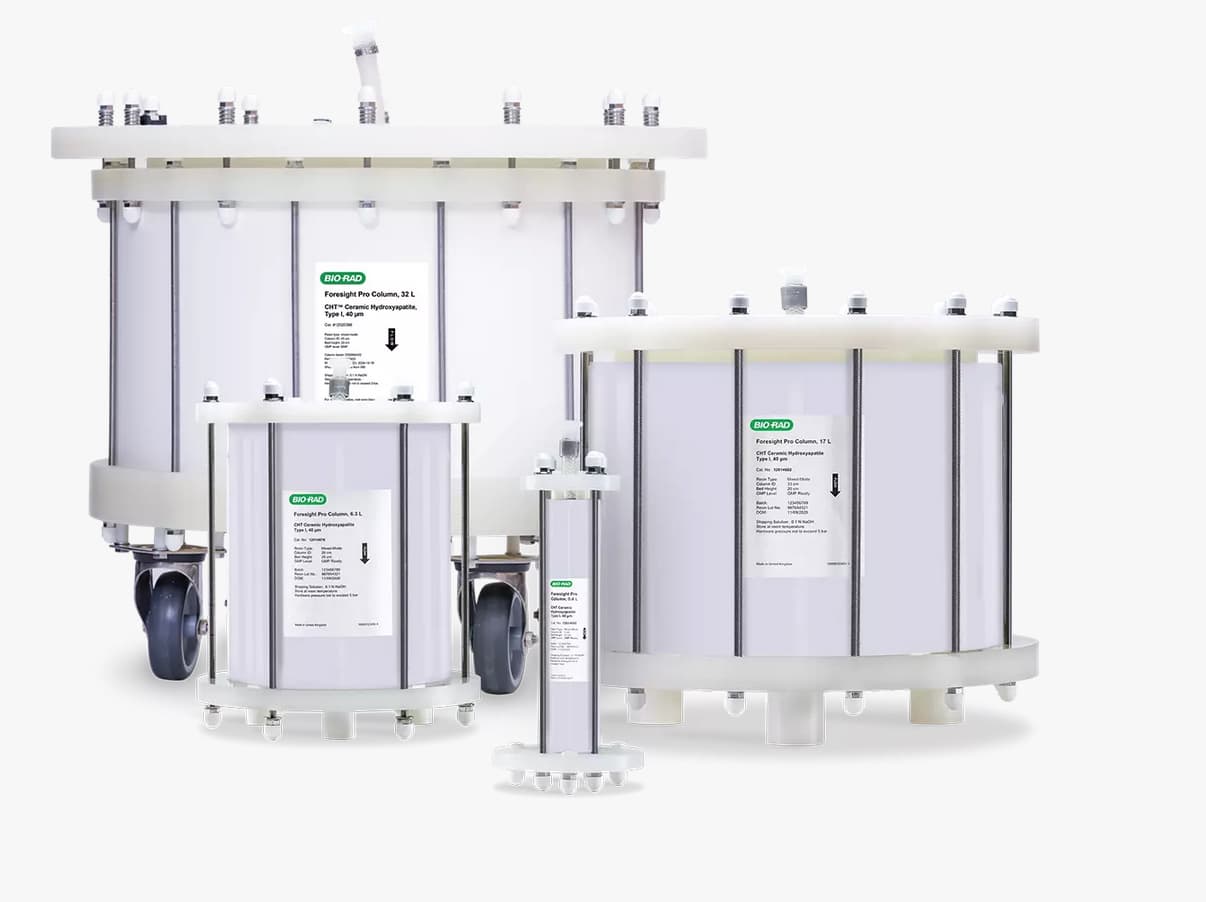
Bio-Rad Process Chromatography Columns deliver a flexible, cost-competitive platform for industrial ion exchange with broad resin compatibility and customization options suited to established manufacturing processes. They are frequently chosen for their favorable acquisition cost and supplier support network compared with larger vendors, providing financial advantages for high-volume procurement and customized configurations, while requiring experienced packing and process development to match the turnkey consistency of pre-packed or membrane solutions.
What the Research and Industry Experience Shows
Scientific studies and industry reports consistently emphasize the importance of dynamic binding capacity, predictable scale-up behavior, and material compatibility when selecting preparative ion exchange columns. Experimental comparisons and process validations show that bed geometry, resin chemistry, and flow distribution are primary determinants of capacity, resolution, and robustness at scale. Membrane adsorbers and pre-packed single-use columns have been widely assessed for high-throughput capture steps, while traditional packed-bed resins remain preferred for polishing and operations requiring high resolution and long-term reuse. Regulatory-compliant construction materials and documented cleaning-in-place (CIP) performance are frequently cited as essential for regulatory submissions and routine manufacturing.
Dynamic binding capacity (DBC) is a practical predictor of column performance under process conditions; higher DBC at intended residence time reduces column size and buffer consumption.
Scale-up studies show that maintaining similar linear velocity and residence time across scales yields the most predictable translation from lab to plant.
Resin chemistry (strong vs weak exchangers) determines selectivity and robustness; many process developers use strong anion exchangers for capture and mixed-mode or weak exchangers for polishing.
Membrane adsorbers like Q-type membranes provide very high throughputs for flow-through and capture steps, especially for viral clearance or polishing at large volumetric flows.
Pre-packed, single-use columns reduce turnaround time and cross-contamination risk, which can lower operational complexity for multi-product facilities.
Cleaning-in-place validation and resin lifetime studies are crucial: repeated CIP cycles and sanitizer exposures can alter binding capacity if not proven compatible.
Frequently Asked Questions
Which column should I choose for industrial-scale capture steps?
Choose Cytiva AxiChrom Columns for industrial-scale preparative ion exchange when you need quick turnover and reproducible scale translation, with large-diameter, high-throughput columns designed for automated packing and unpacking; rating 4.6.
What specific feature makes Cytiva AxiChrom columns scalable?
Cytiva AxiChrom Columns are large-diameter, high-throughput columns engineered for automated packing and unpacking at industrial scale, with precise flow distribution and mechanical stability for reproducible large-batch separations; rating 4.6.
How do Repligen OPUS pre-packed columns compare on cost and effort?
Repligen OPUS Pre-packed Columns are pre-packed, single-use columns that reduce cleaning and validation burden and enable faster campaign changeover for capture resin applications; price isn’t provided, rating 4.4.
Are Cytiva BPG columns compatible with CIP/SIP and GMP workflows?
Cytiva BPG Columns are designed for conventional packed-bed ion exchange resins with CIP/SIP compatibility and robust connections, and they’re compatible with GMP workflows; rating 4.5.
Conclusion
This shortlist covers leading industrial-scale preparative ion exchange options available in Canada and highlights their practical strengths. The selection includes Cytiva BPG Columns, Cytiva AxiChrom Columns, Repligen OPUS Pre-packed Columns, Sartorius Sartobind Q Membrane Adsorber, and Bio-Rad Process Chromatography Columns. For most industrial bioprocesses that need robust scale-up, automated packing, and proven CIP compatibility, Cytiva AxiChrom Columns are often the best overall choice, while Repligen OPUS shines for pre-packed single-use convenience and Sartorius Sartobind Q excels for high-throughput membrane applications. We hope you found what you were looking for — you can refine or expand your search using the search function to compare specs, bed volumes, resin chemistries, and local suppliers in Canada.