

Top 7 Veterinary Prescription Respiratory Medications for Dogs in Canada — 2026 Guide
This category covers veterinary prescription respiratory medications for dogs in Canada for 2026, focusing on bronchodilators, inhaled corticosteroids, antimicrobial inhalants and mucolytics used to manage chronic bronchitis, bacterial pneumonia and allergic airway disease. It emphasizes practical inhalation therapy options such as metered-dose inhalers with spacers and nebulization, common dosing approaches, and supportive-care measures like humidification, oxygen therapy and medical monitoring. Canadian owners and veterinarians increasingly prefer inhaled therapies and targeted bronchodilators because they deliver medication directly to the airways, reduce systemic side effects compared with oral steroids, and can be administered at home with appropriate devices. Market preferences in Canada are shaped by product availability and Health Canada regulation, regional access to compounding pharmacies, cost, and ease of use. These factors drive selection among commonly used options including Flovent HFA Inhaler, Ventolin HFA Inhaler, Atrovent HFA Inhaler, Theo-Dur Extended Release Tablets, Temaril-P Tablets, AeroDawg Canine Aerosol Chamber and Mucomyst.
Inception's AI took the time to understand this market in Canada · · How we pickWe may earn a commission on purchases. It never affects our rankings.
Top Picks Summary
- Flovent HFA Inhaler (fluticasone propionate 125 mcg)
- Ventolin HFA Inhaler (salbutamol 100 mcg)
- Atrovent HFA Inhaler (ipratropium bromide 20 mcg)
- Theo-Dur Extended Release Tablets (theophylline 100 mg)
- Temaril-P Tablets (trimeprazine with prednisolone)
- AeroDawg Canine Aerosol Chamber
- Mucomyst (acetylcysteine 20% inhalation solution)
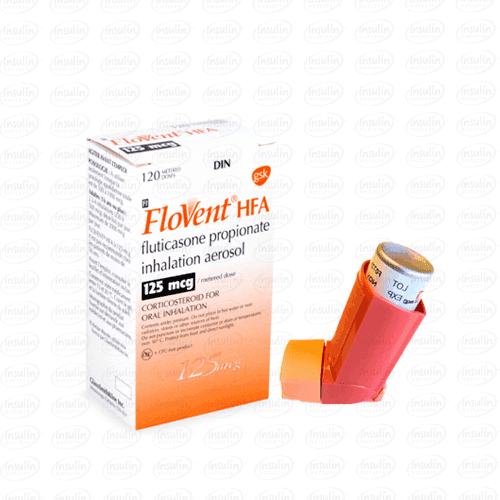
Flovent HFA Inhaler (fluticasone propionate 125 mcg)
Flovent HFA is positioned as the best-in-class inhaled corticosteroid for canine respiratory inflammation because its fluticasone formulation provides potent local anti-inflammatory control with lower systemic exposure than oral steroids, making it preferable for long-term management of chronic bronchitis or allergic airway disease. Compared with systemic options like Temaril-P, Flovent reduces systemic side effects and, when used with a spacer such as the AeroDawg, can be more cost-effective over time by reducing rescue medication needs and clinic visits.
Ventolin HFA Inhaler (salbutamol 100 mcg)
Ventolin HFA (salbutamol/albuterol) is the market-leading short-acting beta-agonist for rapid bronchodilation in dogs, valued for its quick onset of action during acute bronchospasm. Technically it complements anti-inflammatory agents like Flovent and is generally less expensive and more widely available than some anticholinergics (Atrovent), making it the go-to rescue agent for owners and clinicians seeking immediate relief.
Atrovent HFA Inhaler (ipratropium bromide 20 mcg)
Atrovent HFA (ipratropium bromide) holds a niche leadership position for dogs where cholinergic bronchoconstriction or intolerance to beta-agonists is a concern, offering bronchodilation via an anticholinergic mechanism that can be additive to beta-agonists. While often costlier than generic short-acting beta-agonists, Atrovent provides a favorable systemic side-effect profile compared with oral bronchodilators and can reduce the frequency of dosing when used in combination protocols.
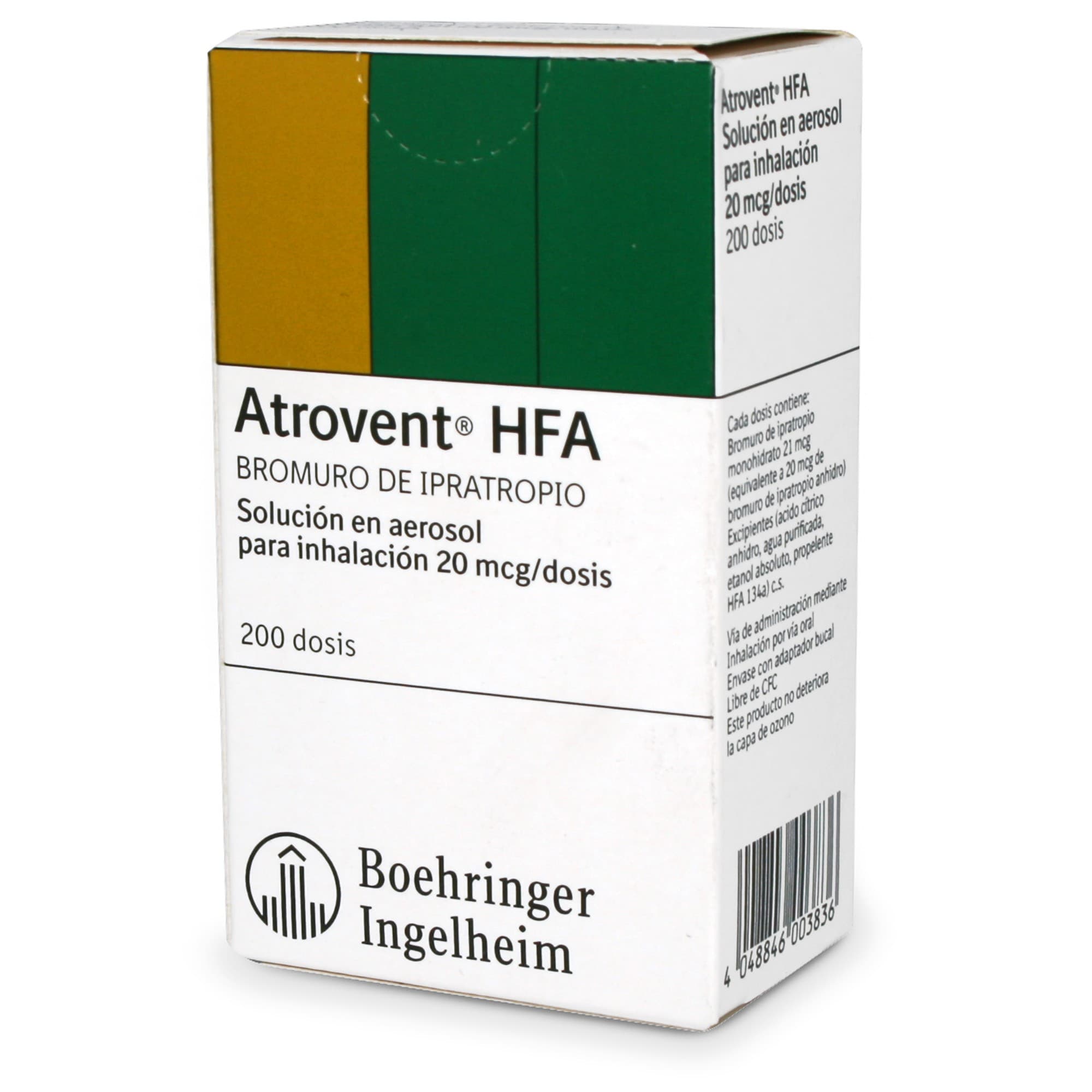
Theo-Dur Extended Release Tablets (theophylline 100 mg)
Theo-Dur extended-release theophylline is a proven oral option for chronic management of canine obstructive airway disease when inhaled therapy is impractical or poorly tolerated, offering sustained bronchodilation and convenience of pill dosing. Its main trade-offs are a narrow therapeutic window and the need for blood-level monitoring, but financially it can be attractive for owners who prefer oral therapy and wish to avoid the upfront cost of spacer devices and repeated nebulization sessions.
Temaril-P Tablets (trimeprazine with prednisolone)
Temaril-P (trimeprazine with prednisolone) is a veterinary-specific combination product valued for rapid suppression of cough with concurrent antihistaminic and systemic corticosteroid effects, making it a strong choice for acute allergic or inflammatory respiratory presentations in dogs. Compared to inhaled steroids like Flovent, Temaril-P delivers broader systemic immunosuppression and sedative benefits useful for short-term control, but its systemic nature usually makes it a less desirable long-term financial and safety choice.
AeroDawg Canine Aerosol Chamber
AeroDawg is the veterinary-optimized aerosol chamber and mask designed specifically to translate human inhalers (Flovent, Ventolin, Atrovent) into effective canine therapy by improving drug deposition and reducing waste; its technical advantages include canine-specific mask fit, one-way valve design, and simplified owner use. From a cost perspective, the AeroDawg is an economical investment that frequently lowers total medication consumption and clinic visits versus nebulizers or poorly delivered inhaler therapy.

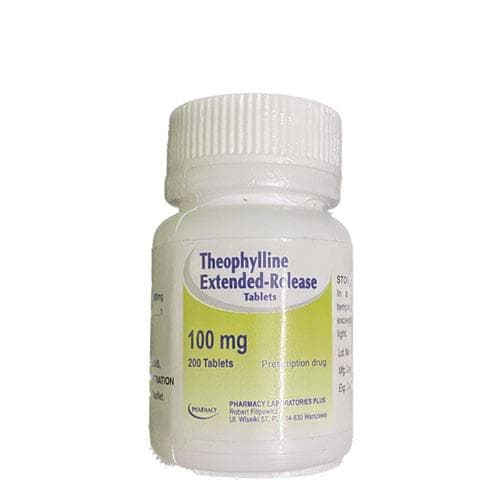
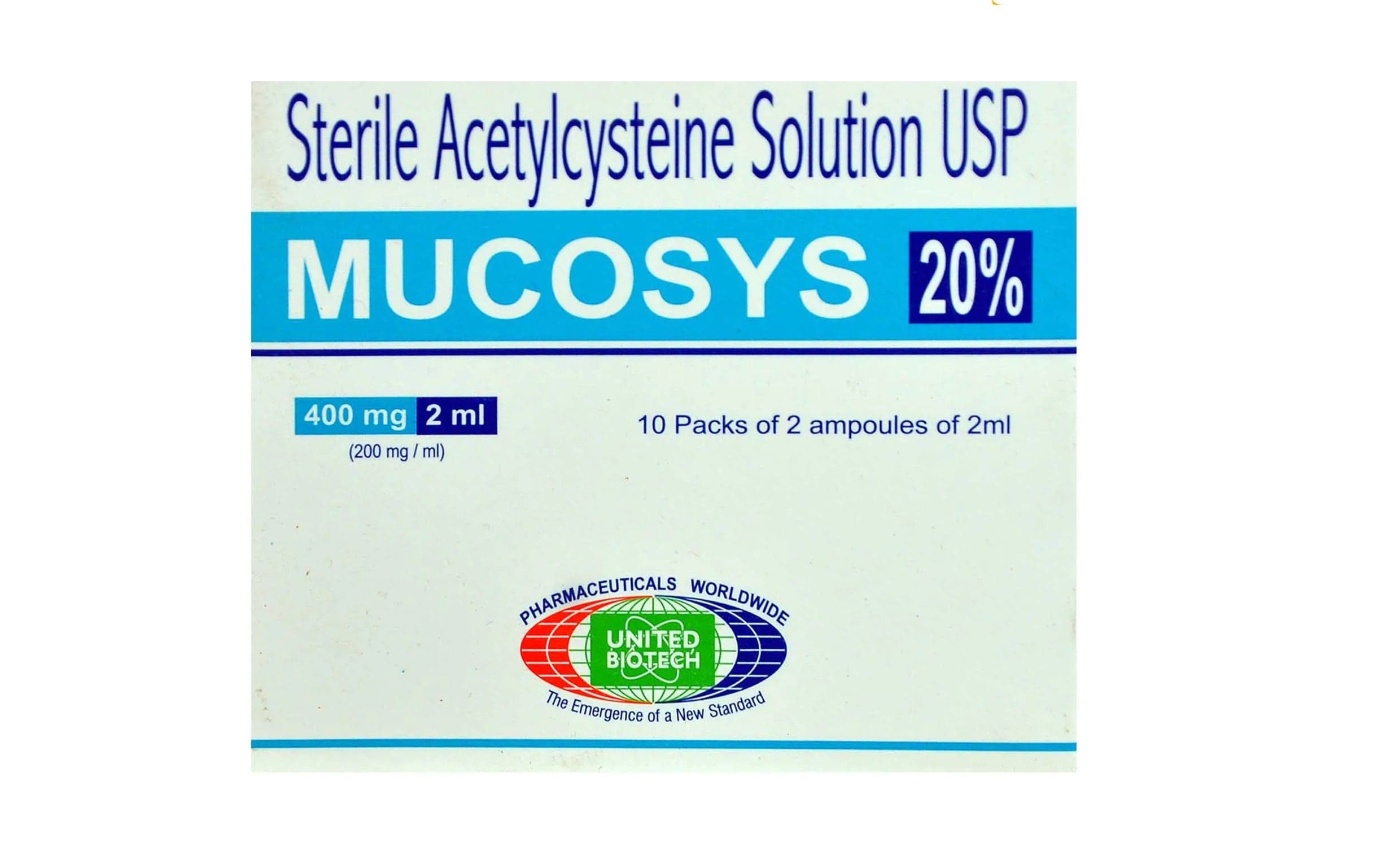
Mucomyst (acetylcysteine 20% inhalation solution)
Mucomyst (acetylcysteine) is a mucolytic solution commonly used by nebulization in dogs with tenacious airway secretions; it complements bronchodilators and anti-inflammatories by helping mobilize mucus but must be used cautiously in reactive airways due to potential irritation. Financially it is inexpensive per dose, but clinical use often requires clinic-based nebulization time or investment in a nebulizer, and it is best deployed alongside devices like the AeroDawg or as part of a combined medical regimen.
What the research and clinical experience show
Clinical studies and veterinary practice experience support inhaled therapies and targeted bronchodilators as effective tools for managing canine lower airway disease. Inhaled corticosteroids reduce airway inflammation with fewer systemic effects than oral corticosteroids. Short-acting bronchodilators provide fast relief of bronchospasm, while anticholinergic inhalants and oral methylxanthines can be useful additions in selected cases. Nebulization and mucolytic therapies aid secretion clearance during infectious or mucus-producing conditions. Evidence supports tailoring therapy to the individual patient and using devices and training to optimize drug delivery.
Inhaled corticosteroids (for example, fluticasone) reduce airway inflammation with lower systemic exposure versus oral steroids, improving long-term safety for chronic conditions.
Short-acting beta-2 agonists (salbutamol) provide rapid bronchodilation and symptom relief in reactive airway disease and acute bronchospasm.
Anticholinergic inhalants (ipratropium) are effective bronchodilators with a complementary mechanism for dogs that do not fully respond to beta-2 agonists.
Theophylline (extended release) can be useful for maintenance bronchodilation where inhaled delivery is not sufficient or practical; monitoring for therapeutic levels and side effects is important.
Nebulized mucolytics such as acetylcysteine can help loosen secretions and improve clearance in bacterial pneumonia or mucus hypersecretion, but should be used under veterinary direction.
Spacer chambers and species-specific masks significantly increase lung deposition of metered-dose inhalers compared with direct maskless use.
Frequently Asked Questions
Which inhaler should I choose for chronic wheeze control dog?
Choose Flovent HFA Inhaler (fluticasone propionate 125 mcg) for long-term control of wheeze and cough, since it’s an inhaled corticosteroid that reduces airway inflammation and is rated 4.6.
What dose strength is in Flovent HFA inhaler?
Flovent HFA Inhaler contains fluticasone propionate 125 mcg as an inhaled corticosteroid that reduces airway inflammation, and it uses a metered-dose inhaler with a canine spacer and face mask.
Are Ventolin HFA or Atrovent HFA better value for rescue?
Ventolin HFA Inhaler (salbutamol 100 mcg) is typically used as the primary rescue inhaler with onset of action within minutes, and it’s generally less expensive than Flovent; rating is 4.4.
Can I use Atrovent HFA if my dog can't tolerate beta-agonists?
Atrovent HFA Inhaler (ipratropium bromide 20 mcg) is suited when intolerance to beta-agonists is a concern, since it’s an inhaled anticholinergic that helps reduce bronchoconstriction; it’s rated 4.2.
Conclusion
In Canada, practical inhalation therapy and targeted respiratory drugs are established tools for managing canine airway disease. The main products profiled here are Flovent HFA Inhaler (fluticasone propionate 125 mcg), Ventolin HFA Inhaler (salbutamol 100 mcg), Atrovent HFA Inhaler (ipratropium bromide 20 mcg), Theo-Dur Extended Release Tablets (theophylline 100 mg), Temaril-P Tablets (trimeprazine with prednisolone), AeroDawg Canine Aerosol Chamber, and Mucomyst (acetylcysteine 20% inhalation solution). For many chronic inflammatory airway cases, inhaled corticosteroid therapy such as Flovent HFA is often the best long-term choice because it controls inflammation while limiting systemic steroid effects; however, the ideal option depends on diagnosis, severity, and patient tolerance. We hope you found what you were looking for; you can refine or expand your search using the search function to compare dosing, availability and local prescribing guidance in Canada.